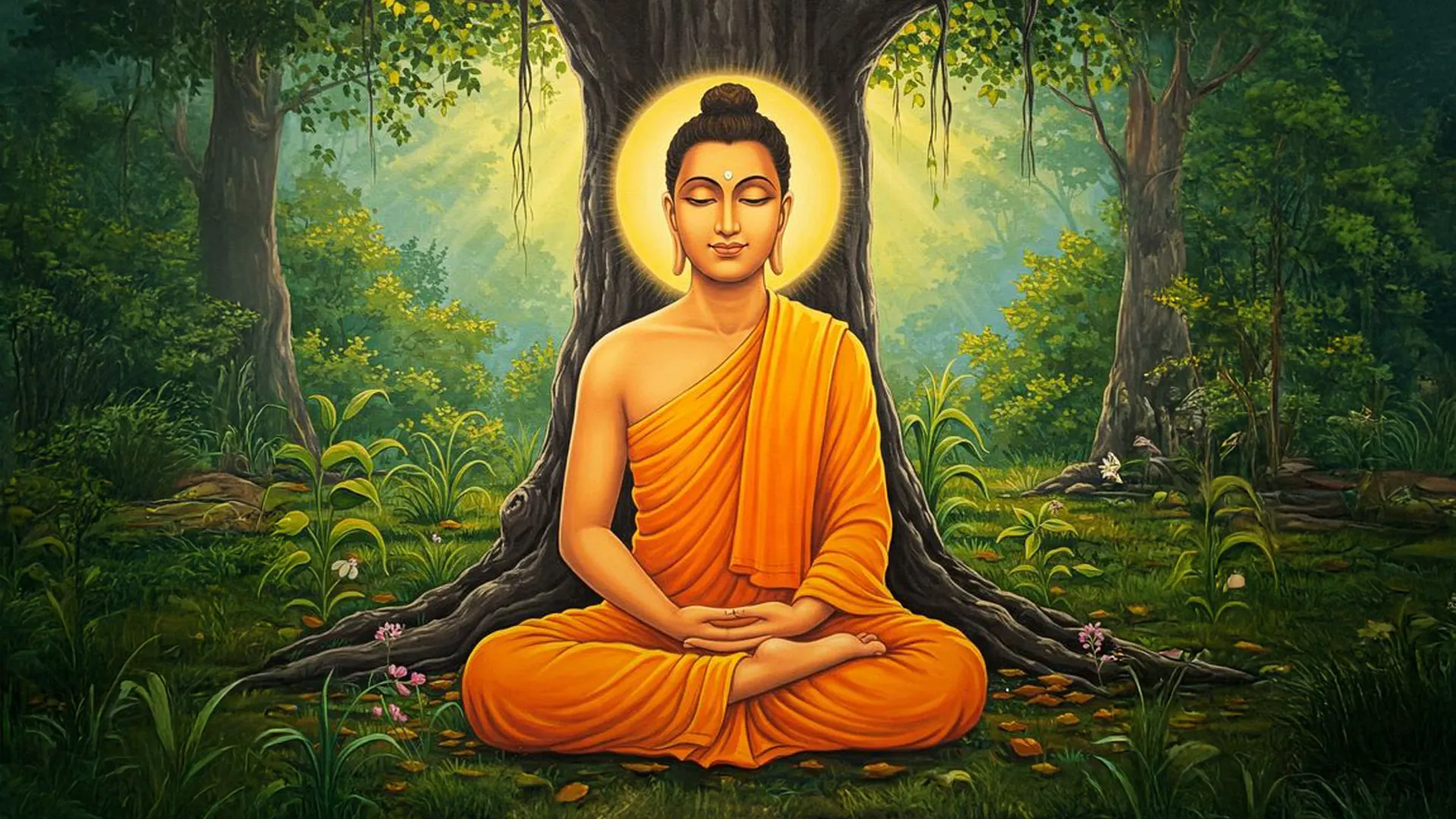
Crafting the Mind: The Art of Inner Discipline
In the quote, "As a fletcher makes straight his arrow, the wise man makes straight his trembling and unsteady mind," the Buddha draws a parallel between the meticulous craft of archery and the discipline required to cultivate a steady mind. This comparison highlights the importance of intentionality and focus in our mental processes. Just as a fletcher must carefully shape and align the arrow to ensure it flies true, so too must we attend to our thoughts and emotions, guiding them toward clarity and purpose. The stakes are high; an unsteady mind can lead to confusion and suffering, while a disciplined mind opens the door to wisdom and peace.
Delving deeper, this quote invites us to consider the nature of our minds, which often mirror the unsteady arrow before it is crafted. In a world filled with distractions and uncertainties, our thoughts can easily veer off course, leading us away from our true intentions. The act of making our minds straight is not merely about suppressing thoughts or emotions but rather about understanding and refining them. This process requires patience, practice, and a commitment to self-awareness, echoing the fletcher's dedication to his craft. It is a reminder that the journey toward mental clarity is both an art and a discipline, one that can profoundly impact our lives.
The image / the metaphor
The imagery of a fletcher at work conjures a vivid picture of precision and care. A fletcher, skilled in the art of archery, must select the right materials, shape them with intention, and ensure that every element aligns perfectly. The verbs "makes straight" evoke a sense of active engagement, suggesting that the process of aligning one's mind is not passive but requires deliberate effort. The trembling and unsteady mind symbolizes the chaos and confusion that can arise from our thoughts and emotions, much like an arrow that has not yet been properly crafted. This metaphor serves as a powerful reminder that our mental state can be shaped and directed, much like an arrow aimed at a target.
Going deeper into the metaphor, we can see that the fletcher's craft is not just about the physical act of making arrows; it embodies a broader principle of mastery and discipline. The fletcher's attention to detail reflects the mindfulness that is essential in our own lives. Just as the fletcher must understand the properties of wood and feathers, we must cultivate an understanding of our own minds—recognizing the patterns of thought that lead us astray and those that guide us toward clarity. This process of crafting the mind involves both self-exploration and the willingness to confront discomfort, much like the fletcher who faces the challenges of creating a perfect arrow.
In the speaker's tradition
Within the context of Buddhism, this quote resonates deeply with the concepts of dharma and mindfulness. Dharma, often understood as the path of righteousness or the teachings of the Buddha, emphasizes the importance of living in accordance with truth and ethical principles. The wise man, in this sense, embodies the dharma by actively working to align his mind with wisdom and compassion. This alignment is akin to the practice of mindfulness, where one observes thoughts and feelings without attachment, allowing for a clearer understanding of the self and the world. The discipline required to make the mind straight is a fundamental aspect of the Buddhist path, leading to liberation from suffering.
Moreover, the notion of kenosis, or self-emptying, can be seen as a complementary concept to the fletcher's craft. Just as the fletcher must let go of imperfections in the wood to create a straight arrow, we too must release our attachments and preconceived notions to cultivate a steady mind. This process of letting go is echoed in various Buddhist texts, including the Dhammapada, where the importance of mental discipline is repeatedly emphasized. The teachings encourage practitioners to recognize the transient nature of thoughts and emotions, fostering a sense of detachment that ultimately leads to inner peace.
Living the teaching
Consider a modern scenario where this teaching can be applied: imagine a busy professional facing overwhelming stress from work and personal obligations. In such moments, the mind can feel chaotic, filled with racing thoughts and anxiety. By consciously practicing the discipline of mindfulness—perhaps through meditation or focused breathing—this individual can begin to "make straight" their unsteady mind. Just as the fletcher carefully aligns each arrow, the professional can learn to align their thoughts, prioritizing clarity and calm over confusion and haste. This practice not only enhances productivity but also fosters a sense of inner peace amidst external chaos.
In another context, this teaching can be particularly relevant in relationships. When faced with conflict or misunderstanding, our minds can become unsteady, filled with reactive thoughts and emotions. By applying the wisdom of the fletcher, one can take a step back, breathe, and reflect before responding. This discipline allows for clearer communication and a more compassionate approach to resolving differences. Just as the fletcher shapes the arrow to fly true, we can shape our responses to foster understanding and connection, transforming potential discord into opportunities for growth.
A reflection
As we contemplate the wisdom of the Buddha's words, we are invited to reflect on our own minds: What areas of your life feel unsteady or chaotic? In what ways can you apply the discipline of the fletcher to cultivate a clearer, more focused mind? This inquiry encourages us to engage with our thoughts and emotions thoughtfully, recognizing that the path to inner peace is a craft that requires our active participation.


Join the BrightStar Community
Stay connected with daily inspiration, event announcements, and community wisdom