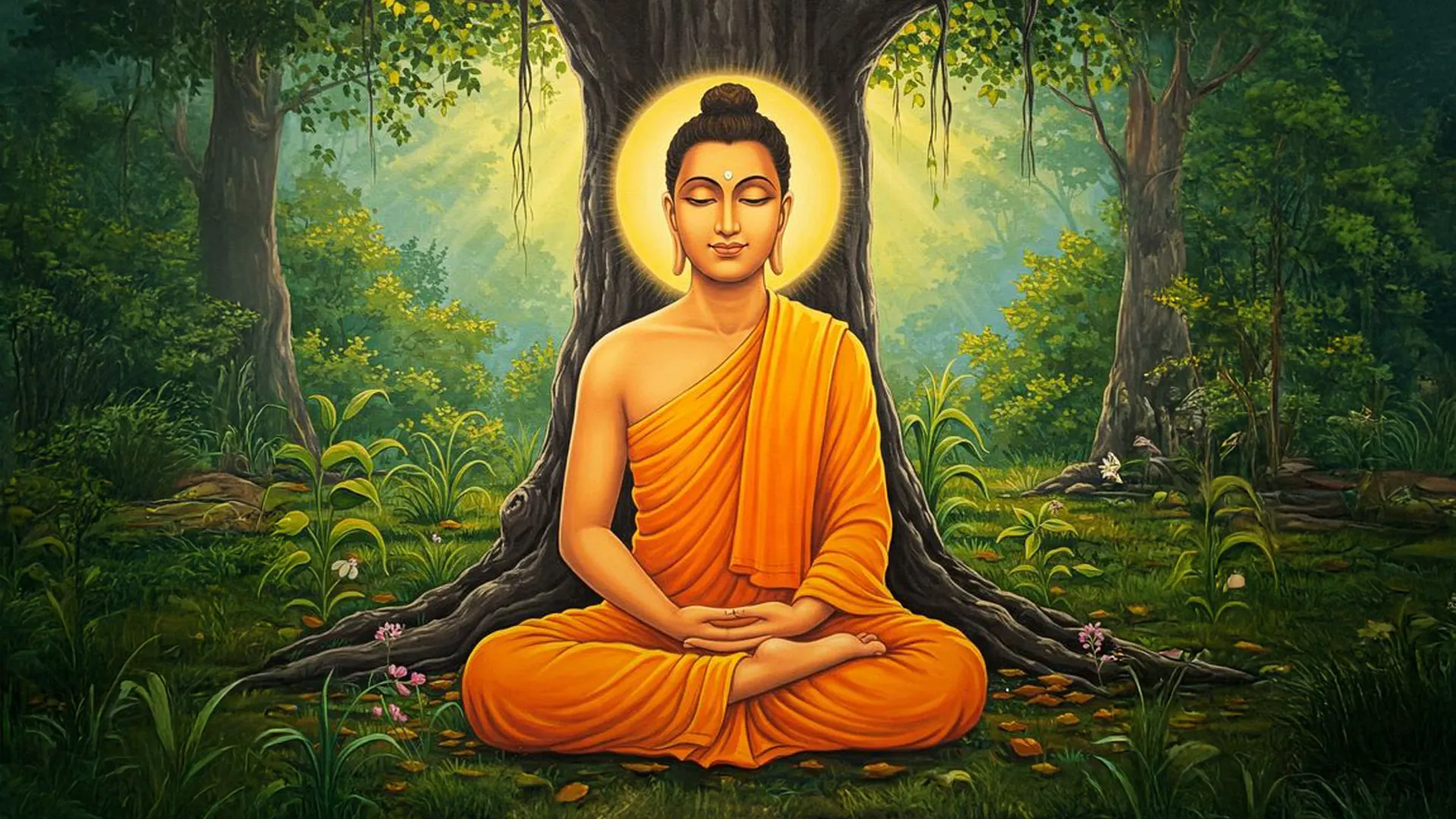
The Silent Strength of Patience
Buddha's assertion that "the greatest prayer is patience" invites us to reconsider the nature of prayer itself. In a world that often equates prayer with words, rituals, or fervent pleas, this quote suggests that the essence of spiritual practice may lie in the quiet, steadfast endurance of the human spirit. Patience, then, becomes not merely a passive waiting but an active engagement with life, a profound expression of faith and inner peace. This perspective challenges us to cultivate a deeper understanding of patience as a spiritual discipline, one that can transform our experiences and relationships.
Delving deeper, we find that patience is not simply about enduring hardship or waiting for desired outcomes; it is about embracing the present moment with acceptance and grace. In this light, patience emerges as a form of prayer that transcends words, a silent acknowledgment of the unfolding of life’s complexities. This understanding resonates with the core teachings of Buddhism, where the cultivation of patience is seen as essential for achieving enlightenment and inner tranquility. By embodying patience, we align ourselves with the rhythms of existence, fostering a sense of peace that permeates our lives.
The image / the metaphor
The imagery in Buddha's quote evokes a sense of stillness and resilience. Patience is portrayed not as a passive state but as a dynamic force, akin to a tree weathering a storm. The choice of the word "prayer" suggests that patience is a sacred act, a communion with the universe that requires both strength and surrender. This metaphor invites us to visualize patience as a deep-rooted quality, one that nourishes our spirit and allows us to withstand the trials of life with grace and dignity.
Going deeper into this metaphor, we can see patience as a bridge between our desires and the reality of our circumstances. It embodies the understanding that life unfolds in its own time, often beyond our control. In this way, patience becomes a practice of trust—trust in ourselves, in others, and in the greater flow of existence. This trust allows us to remain grounded even amidst uncertainty, transforming our experiences of waiting into opportunities for growth and reflection.
In the speaker's tradition
Within the context of Buddhism, patience is intricately linked to the concept of dharma, the natural order of the universe. The practice of patience aligns with the cultivation of virtues such as compassion and mindfulness, which are essential for navigating the complexities of life. In Buddhist teachings, patience is often associated with the practice of kenosis, or self-emptying, where one relinquishes the need for immediate gratification and embraces the present moment. This selflessness fosters a deeper connection to the world around us, allowing us to respond to life's challenges with equanimity.
A relevant text that echoes this sentiment is the Dhammapada, where the Buddha emphasizes the importance of patience in the pursuit of enlightenment. He states, "He who is patient and endures, he is the one who is truly wise." This wisdom underscores the idea that patience is not merely a passive virtue but an active engagement with the path of spiritual growth. By cultivating patience, we align ourselves with the teachings of the Buddha, fostering a deeper understanding of our own nature and the interconnectedness of all beings.
Living the teaching
Consider a modern scenario where the teaching of patience can be profoundly impactful: the experience of waiting for a job opportunity. In a culture that often prioritizes speed and immediate results, the process of job searching can feel excruciatingly slow. However, by embracing patience as a form of prayer, one can transform this waiting period into a time of self-reflection and growth. Instead of succumbing to frustration, one might use this time to cultivate new skills, deepen relationships, or engage in volunteer work, thereby enriching their life and preparing for future opportunities.
Another application of this teaching can be found in personal relationships, particularly during conflicts. When faced with misunderstandings or disagreements, the instinct may be to react impulsively, seeking immediate resolution. However, practicing patience allows for a more thoughtful response, creating space for empathy and understanding. By taking a step back and allowing emotions to settle, we can approach the situation with clarity and compassion, ultimately fostering deeper connections and harmony in our relationships.
A reflection
As we contemplate the essence of Buddha's teaching that "the greatest prayer is patience," we are invited to reflect on our own lives. In what areas are we struggling to cultivate patience? Are there moments where we can transform our waiting into a deeper engagement with the present? This contemplation not only deepens our understanding of patience but also encourages us to embrace the unfolding of life with grace and acceptance, recognizing that every moment holds the potential for growth and transformation.


Join the BrightStar Community
Stay connected with daily inspiration, event announcements, and community wisdom