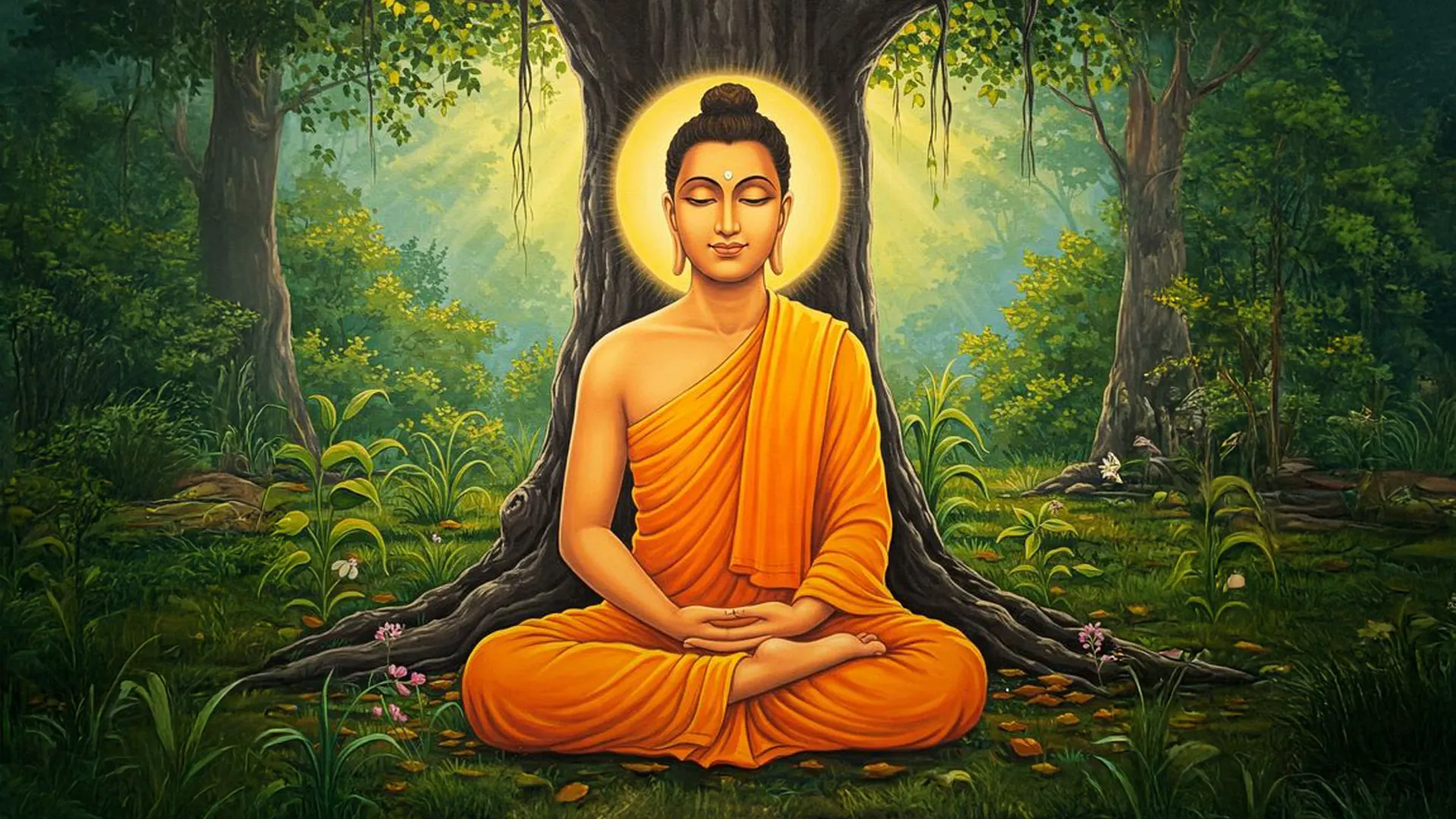
The True Measure of Wealth: Health as a Spiritual Foundation
Buddha's assertion that "the greatest wealth is health" invites us to reconsider our understanding of prosperity. In a world often obsessed with material accumulation, this statement serves as a profound reminder that our physical and mental well-being is the true foundation of a fulfilling life. The stakes are high; without health, even the most lavish possessions lose their value. This perspective encourages us to prioritize self-care and mindfulness, recognizing that our vitality is the bedrock upon which all other forms of wealth are built.
Delving deeper, we find that this quote encapsulates a holistic view of existence. Health, in the Buddhist context, transcends mere physical fitness; it encompasses mental clarity, emotional stability, and spiritual balance. The interconnectedness of body and mind is a central theme in Buddhist philosophy, suggesting that true wealth arises from a harmonious state of being. By embracing this wisdom, we can cultivate a life rich in contentment and purpose, rather than one merely filled with possessions.
The image / the metaphor
The imagery of wealth conjures visions of gold, jewels, and material abundance, yet Buddha redirects this vision toward the essence of health. The choice of the word "greatest" emphasizes that health surpasses all other forms of wealth, suggesting a hierarchy of values where well-being reigns supreme. This metaphor invites us to feel the weight of our health, to recognize it as a treasure that requires nurturing and protection. Just as one would guard their riches, so too must we safeguard our health, understanding its fragility and the profound impact it has on our lives.
In the speaker's tradition
Within the rich tapestry of Buddhist thought, the concept of health is intricately linked to the principles of dharma and the pursuit of enlightenment. Dharma, or the natural law that governs the universe, emphasizes the importance of living in harmony with oneself and others. This alignment fosters a state of health that is both physical and spiritual, as it encourages practices that nurture the body and mind. The notion of kenosis, or self-emptying, also resonates here; by letting go of attachments to material wealth, we create space for a deeper appreciation of our health and well-being.
Furthermore, the Dhammapada, from which this quote is derived, offers numerous insights into the relationship between health and happiness. For instance, it teaches that a mind at peace is the greatest treasure, echoing the sentiment that true wealth lies not in possessions but in the state of our being. The text encourages us to cultivate virtues such as mindfulness, compassion, and wisdom—qualities that contribute to both our health and our overall sense of prosperity. In this way, Buddha’s teachings guide us toward a life where health is revered as the ultimate form of wealth.
Living the teaching
Consider a modern scenario where this teaching resonates: a busy professional, driven by ambition, often sacrifices sleep and self-care in pursuit of career success. This individual may accumulate wealth and accolades, yet their health deteriorates, leading to burnout and dissatisfaction. By embracing the wisdom of Buddha's quote, they might begin to prioritize their well-being, recognizing that true success is not measured by bank accounts but by the vitality and joy they experience in their daily lives. This shift in perspective can lead to a more balanced approach, where health becomes a guiding principle in their decision-making.
In relationships, the teaching of valuing health can manifest in the way we support one another. Imagine a partnership where both individuals prioritize their physical and emotional well-being, fostering an environment of mutual care and understanding. When challenges arise, such as stress or illness, they approach these moments with compassion, recognizing that their health impacts not only themselves but also their connection to each other. This practice of nurturing health within relationships cultivates a deeper bond, allowing both partners to thrive together in a shared journey of well-being.
A reflection
As we contemplate Buddha's assertion that "the greatest wealth is health," we are invited to reflect on our own lives. What practices can we adopt to prioritize our health and well-being? In a world that often equates success with material gain, how can we shift our focus to nurture the true wealth that resides within us? This contemplation encourages us to explore the ways in which we can cultivate a life rich in health, contentment, and connection, ultimately leading us toward a more fulfilling existence.


Join the BrightStar Community
Stay connected with daily inspiration, event announcements, and community wisdom