The Alchemy of Thought: Becoming Through the Mind
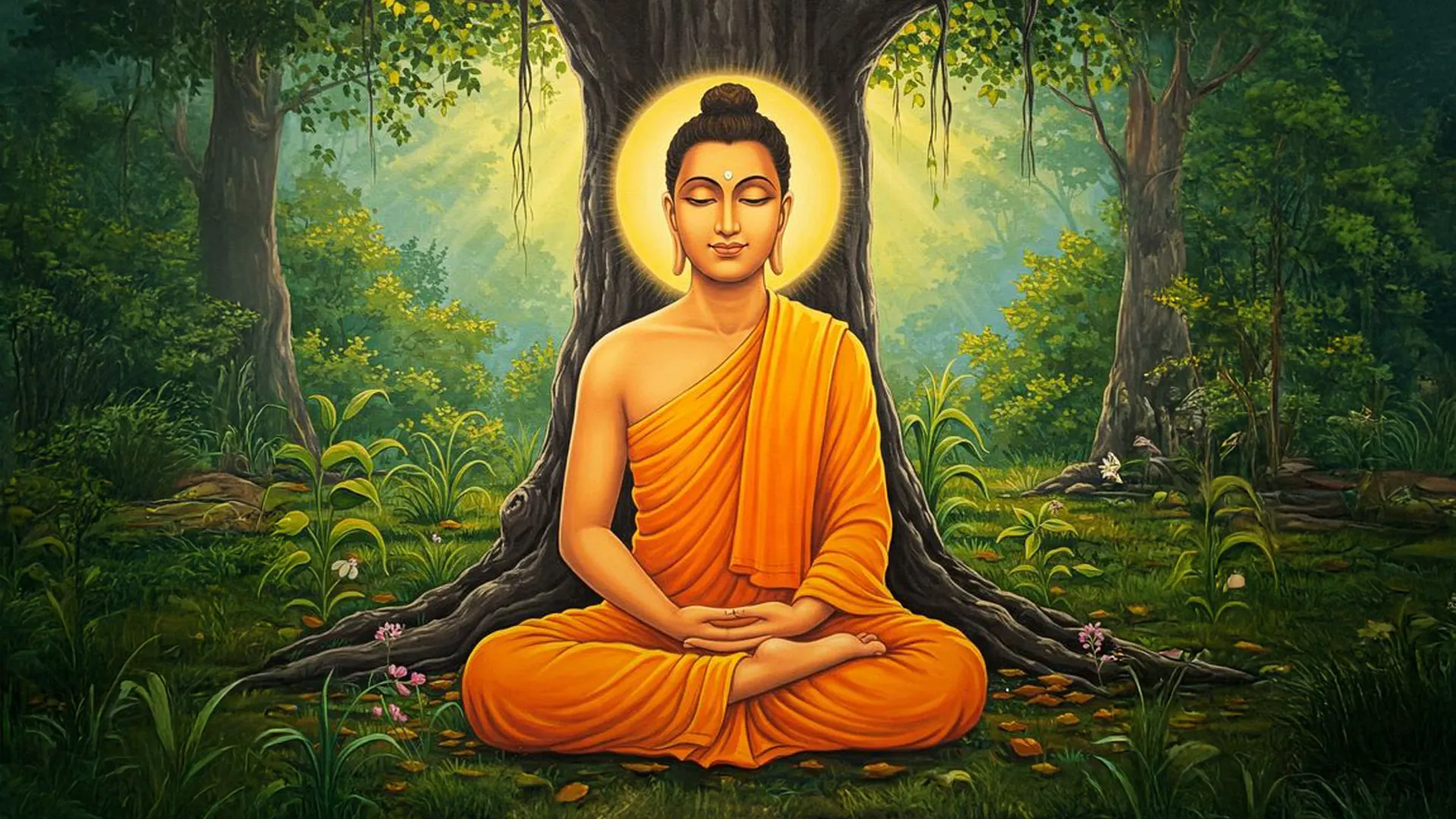
Buddha's assertion, "The mind is everything. What you think you become," encapsulates the profound relationship between our thoughts and our very essence. This statement invites us to explore the transformative power of the mind, suggesting that our internal landscape shapes our external reality. In a world often dominated by external circumstances, this teaching serves as a reminder that our thoughts hold the key to our personal evolution and well-being.
To delve deeper into this wisdom, we must recognize that the mind is not merely a passive observer but an active creator of our experiences. Each thought we entertain has the potential to manifest in our lives, influencing our actions, emotions, and ultimately, our identities. This understanding compels us to cultivate mindfulness and intentionality in our thinking, as it is through our mental processes that we carve out our paths and define who we are becoming.
The image / the metaphor
The imagery in Buddha's quote evokes a sense of agency and responsibility. The phrase "the mind is everything" suggests that the mind is a fertile ground from which our realities spring forth. The choice of the verb "become" indicates a dynamic process, emphasizing that transformation is not a static state but an ongoing journey shaped by our thoughts. This metaphor invites us to visualize our minds as gardens, where the seeds we plant—our thoughts—will grow into the flowers or weeds of our lives.
Diving deeper into this metaphor, we can see that the mind functions as both the artist and the canvas. Our thoughts are the brushstrokes that paint the picture of our existence, and the quality of those strokes determines the beauty and clarity of the final image. This perspective encourages us to be mindful of what we allow to flourish in our mental gardens, as the vibrancy of our lives is directly linked to the nature of our thoughts.
In the speaker's tradition
Within the rich tapestry of Buddhist philosophy, the concept of the mind is central to understanding the nature of suffering and liberation. The teachings of dharma emphasize that our thoughts and perceptions shape our experiences of reality. This aligns with the notion of sunyata, or emptiness, which suggests that our attachments and identifications are rooted in our mental constructs. By recognizing the impermanent nature of our thoughts, we can begin to disentangle ourselves from the suffering they may cause.
A relevant text that echoes this sentiment is the Dhammapada itself, where Buddha articulates the significance of the mind in shaping our destinies. For instance, he states, "All that we are is the result of what we have thought." This reinforces the idea that our mental habits and inclinations are not merely reflections of our circumstances but powerful forces that can lead us toward enlightenment or entrapment, depending on how we choose to engage with them.
Living the teaching
Consider a modern scenario where this teaching resonates: a person facing a challenging work environment. If they allow negative thoughts to dominate—believing they are undervalued or incapable—they may find themselves trapped in a cycle of dissatisfaction and frustration. However, by consciously shifting their mindset to focus on growth, learning, and gratitude, they can transform their experience, fostering resilience and a more positive outlook that ultimately influences their interactions and opportunities.
In the realm of relationships, this teaching can manifest in profound ways. Imagine a couple navigating a difficult period; if one partner harbors thoughts of resentment or hopelessness, it can create a chasm between them. Conversely, if they choose to cultivate thoughts of compassion, understanding, and forgiveness, they can bridge that gap, fostering healing and connection. This practice of intentional thinking not only enhances their relationship but also nurtures their individual growth as they learn to embody the qualities they wish to see in one another.
A reflection
As we contemplate Buddha's wisdom, we are invited to reflect on the nature of our own thoughts. What mental patterns do we cultivate, and how do they shape our identities and experiences? In this moment of introspection, consider this question: How can I consciously transform my thoughts to align more closely with the person I aspire to become?


Join the BrightStar Community
Stay connected with daily inspiration, event announcements, and community wisdom