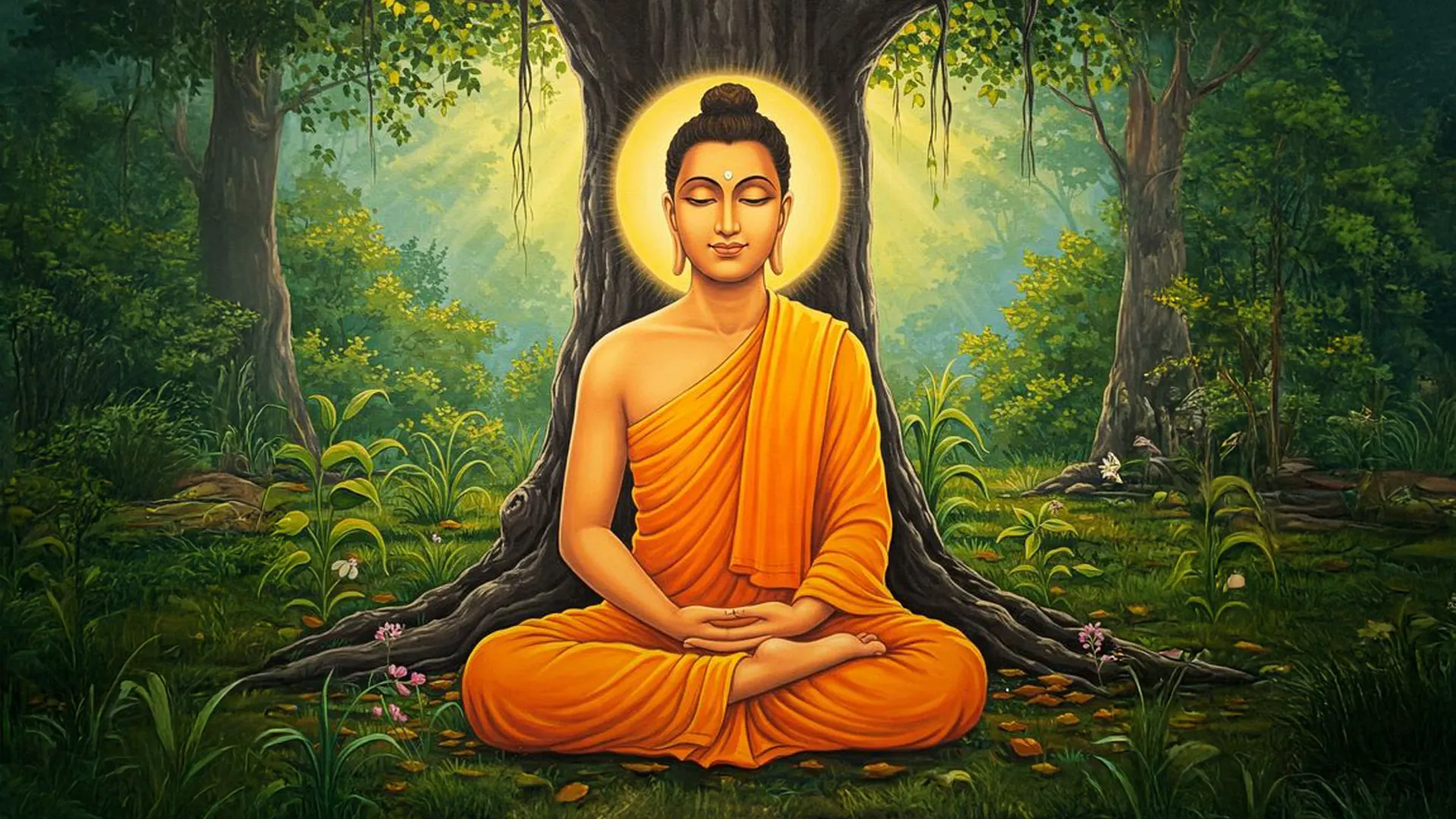
The Transformative Power of Virtue
Buddha's profound insight, "Conquer anger by non-anger. Conquer evil by good. Conquer the miser by liberality. Conquer the liar by truth," invites us to consider the nature of transformation through virtue. In essence, he teaches that the antidote to negative qualities lies not in confrontation or retaliation, but in the cultivation of their opposites. This perspective is not merely philosophical; it is a practical guide for navigating the complexities of human relationships and the inner turmoil we often face. The stakes are high, as our ability to respond to negativity with positivity can shape our personal experiences and the world around us.
In a world rife with conflict and discord, Buddha's words resonate with a timeless wisdom that encourages us to rise above our baser instincts. The call to conquer anger with non-anger, for instance, challenges us to embrace a more compassionate response rather than succumbing to the cycle of reactivity. This teaching is not about passivity; rather, it is an invitation to engage with our emotions and the emotions of others in a way that fosters understanding and healing. By embodying these virtues, we not only transform ourselves but also contribute to a more harmonious existence.
The image / the metaphor
The imagery in Buddha's quote is rich and evocative, presenting a series of contrasts that illuminate the path to personal mastery. Each verb—conquer, non-anger, good, liberality, truth—carries a weight that suggests an active engagement with life’s challenges. The notion of "conquering" implies a struggle, yet the means of this conquest are rooted in gentleness and integrity. This juxtaposition creates a vivid picture of a warrior not armed with weapons, but with virtues that disarm hostility and deceit.
Diving deeper into the metaphor, we see that each element represents a fundamental aspect of human experience. Anger, evil, miserliness, and lying are not merely external forces; they reside within us, often surfacing in our interactions. By choosing to respond with non-anger, goodness, generosity, and truthfulness, we engage in a transformative process that reshapes our character. This is not just a battle against external adversities but an internal revolution that fosters a profound sense of peace and clarity.
In the speaker's tradition
Within the context of Buddhism, this teaching aligns closely with the concept of dharma, which encompasses the moral and ethical duties that guide our actions. The practice of non-attachment, or kenosis, is also relevant here, as it encourages letting go of negative emotions and desires that bind us. Furthermore, the idea of sunyata, or emptiness, invites us to recognize that our perceptions of anger, evil, and deceit are often rooted in a misunderstanding of reality. By cultivating virtues, we can transcend these illusions and embody a more enlightened state of being.
A relevant text that echoes this sentiment is the "Dhammapada," where Buddha emphasizes the importance of right action and right speech as pathways to liberation. For instance, in verse 1, he states, "All that we are is the result of what we have thought." This reinforces the idea that our thoughts and actions shape our reality, and by choosing virtuous responses, we can alter the course of our lives and the lives of those around us.
Living the teaching
Consider a modern scenario where this teaching can be applied: imagine a workplace conflict where a colleague has wronged you. The instinctive reaction might be to respond with anger or resentment, perpetuating a cycle of negativity. However, by choosing to respond with non-anger—perhaps through a calm conversation or a gesture of goodwill—you not only break the cycle but also create an opportunity for reconciliation. This act of virtue can transform the workplace atmosphere, fostering collaboration and understanding.
Another application of this teaching can be found in personal relationships, particularly during moments of disagreement. When faced with dishonesty or miscommunication, the temptation may be to retaliate with defensiveness or blame. Instead, embracing truthfulness and openness can pave the way for deeper connection and healing. By embodying the virtues of generosity and honesty, we not only honor ourselves but also invite others to engage in a more authentic and loving manner.
A reflection
As we contemplate Buddha's wisdom, we are invited to reflect on our own responses to negativity in our lives. How can we consciously choose to conquer anger with non-anger, and evil with good? In what ways can we embody liberality and truth in our daily interactions? These questions serve as a guiding light, encouraging us to cultivate a life rooted in virtue and transformation, ultimately leading us toward a more peaceful existence.


Join the BrightStar Community
Stay connected with daily inspiration, event announcements, and community wisdom