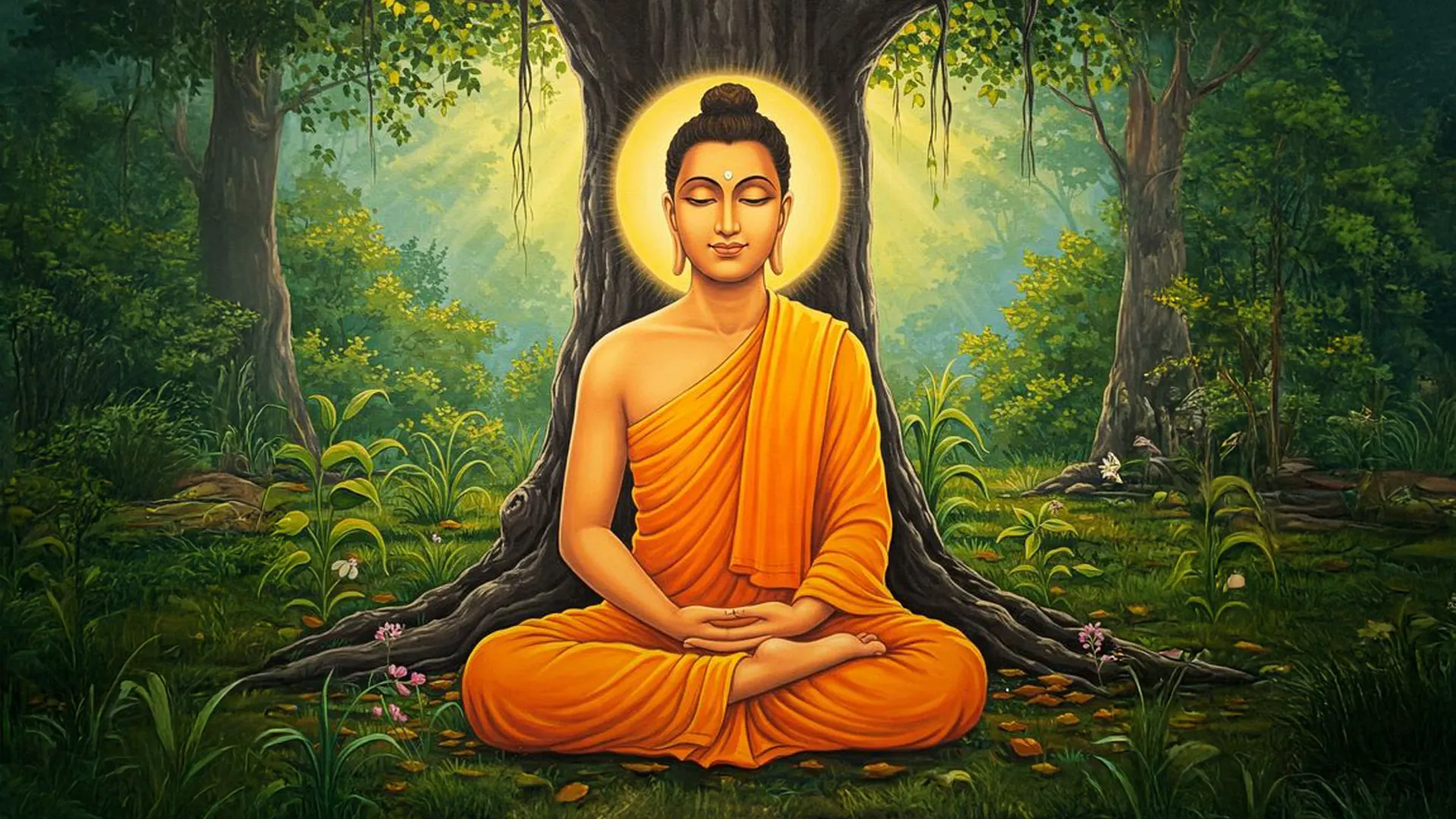
Crossing the River of Existence
Buddha's poignant observation that "Few are there among men who arrive at the other shore; the rest of mankind only run up and down the bank" speaks to the profound challenge of spiritual awakening. In this metaphor, the "other shore" represents liberation from suffering and the cycle of rebirth, while the act of running up and down the bank illustrates the futile distractions that keep most of humanity from true understanding. This quote invites us to reflect on the nature of our own spiritual journeys and the obstacles we face in seeking deeper truths.
In a world filled with distractions and superficial pursuits, Buddha's words resonate with a timeless urgency. They compel us to examine our own lives and the extent to which we are truly engaged in the quest for enlightenment. Are we merely skimming the surface of existence, or are we willing to embark on the transformative journey that leads to genuine liberation? This contemplation is not merely an intellectual exercise; it is a call to action, urging us to confront our fears and limitations as we strive to reach that elusive other shore.
The image / the metaphor
The imagery of a river serves as a powerful metaphor for the journey of life itself. The "other shore" symbolizes a state of enlightenment, a place free from the suffering and ignorance that characterize our current existence. The verbs "arrive" and "run up and down" evoke a sense of movement and urgency, suggesting that while some may find their way to liberation, many remain trapped in a cycle of distraction and confusion. This vivid imagery invites us to consider our own positions along the riverbank—are we merely spectators, or are we actively seeking to cross the turbulent waters of our own minds?
In the speaker's tradition
Within the context of Buddhist philosophy, this quote encapsulates the essence of the teachings on liberation and enlightenment. The concept of dharma, or the path of righteousness, emphasizes the importance of understanding the nature of suffering (dukkha) and the means to transcend it. The journey to the other shore is not merely a physical crossing but a profound inner transformation that requires the cultivation of wisdom (prajna) and compassion. This aligns with the notion of sunyata, or emptiness, which teaches that our attachments and misconceptions bind us to the shore, preventing us from experiencing the fullness of existence.
In the Dhammapada, where this quote is sourced, Buddha offers numerous verses that illuminate the path to awakening. For instance, he speaks of the importance of mindfulness and self-awareness as essential tools for navigating the river of existence. The teachings encourage practitioners to let go of clinging and aversion, which are the very obstacles that keep us from crossing to the other shore. This profound wisdom invites us to engage deeply with our own experiences, recognizing that the journey toward liberation is both personal and universal.
Living the teaching
Consider a modern scenario where this teaching finds relevance: a person caught in the relentless cycle of work, social media, and consumerism. They may find themselves constantly busy, yet feel an underlying sense of dissatisfaction and emptiness. This individual embodies the essence of running up and down the bank, engaging in activities that provide fleeting pleasure but ultimately lead nowhere meaningful. By recognizing this pattern, they can begin to seek deeper fulfillment through practices such as meditation, mindfulness, or community engagement, which can guide them toward the other shore of genuine happiness and peace.
In the context of relationships, the teaching can also be applied. Imagine a couple facing recurring conflicts, each partner entrenched in their perspectives, unwilling to truly listen or understand the other. They may find themselves running up and down the bank of their arguments, never reaching a resolution or deeper connection. By embracing the principles of compassion and open communication, they can begin to cross the river together, fostering a relationship grounded in mutual understanding and love. This shift requires vulnerability and a willingness to let go of ego, but it ultimately leads to a more profound and fulfilling partnership.
A reflection
As we contemplate Buddha's words, we are invited to reflect on our own lives and the extent to which we are truly seeking the other shore. What distractions keep us running along the bank, and how can we cultivate the courage to embark on the journey toward liberation? In this moment of reflection, consider this question: What does crossing the river mean for you, and what steps can you take today to begin that journey?




Join the BrightStar Community
Stay connected with daily inspiration, event announcements, and community wisdom