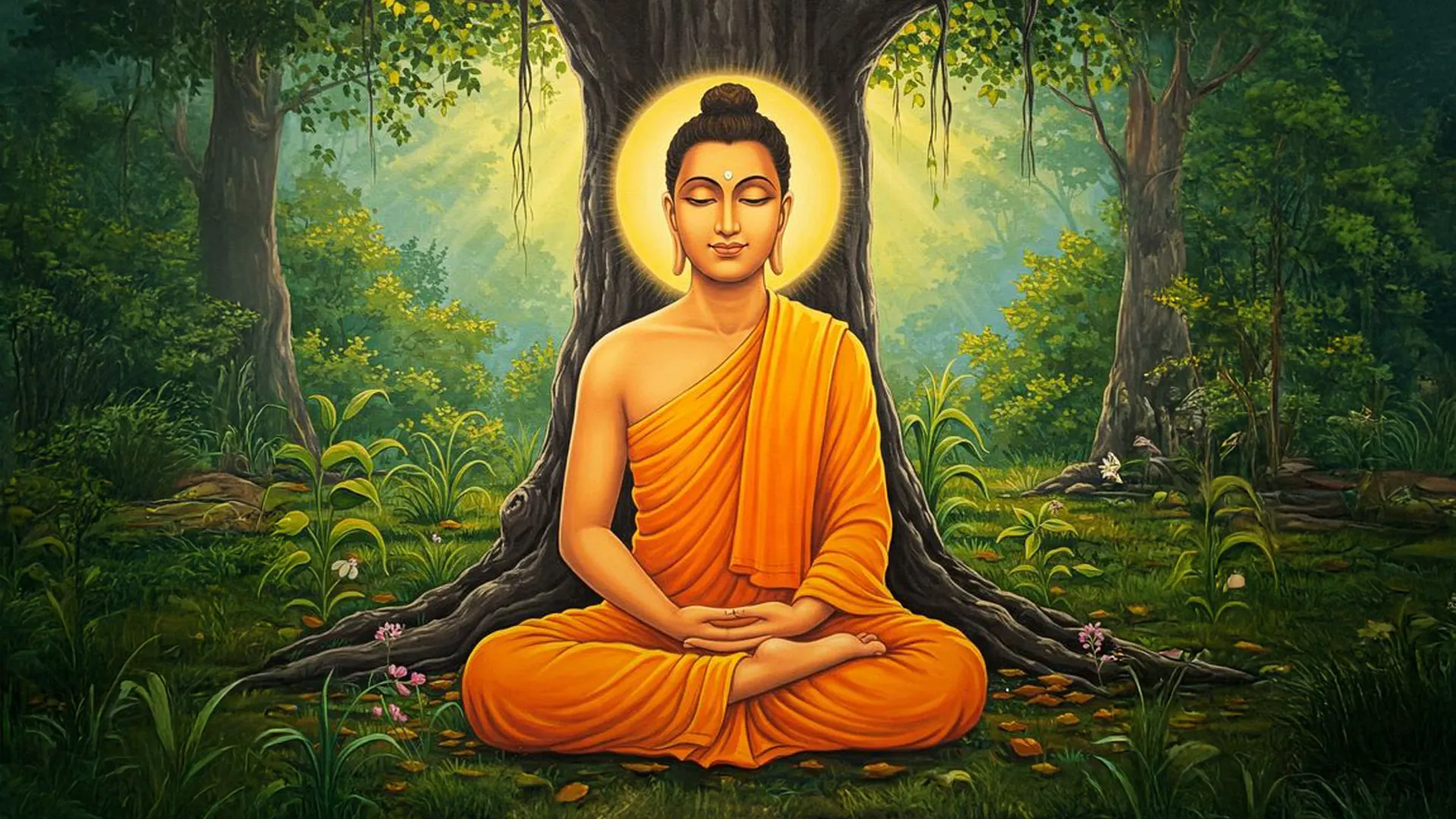
The Freedom Found in Letting Go
Buddha's profound observation, "From attachment springs grief, from attachment springs fear; for one who is free from attachment there is no grief, no fear," invites us to explore the intricate relationship between our attachments and the emotional turmoil they often engender. At its core, this quote speaks to the heart of human experience, suggesting that our suffering is often self-inflicted through our clinging to people, possessions, and even ideas. Recognizing this connection is crucial, as it opens the door to a path of liberation, where we can cultivate a sense of peace and resilience in the face of life's inevitable changes.
In a world that often equates love with attachment, Buddha's teaching challenges us to reconsider what it means to truly care for others without the chains of expectation and fear. This perspective is not merely theoretical; it has practical implications for how we navigate our relationships and our inner lives. By understanding the nature of attachment, we can begin to dismantle the barriers that lead to suffering, ultimately fostering a deeper sense of freedom and joy that transcends the ephemeral nature of existence.
The image / the metaphor
The imagery in Buddha's quote evokes a vivid landscape of emotional experience, where attachment is depicted as a source of both grief and fear. The verbs "springs" and "is free" suggest a dynamic interplay between our emotional states and our relationship to attachment. Grief and fear are not static; they arise from the very act of clinging to what we desire or fear losing. In contrast, the notion of being "free from attachment" paints a picture of liberation, where one can navigate life with a sense of ease and openness, unburdened by the weight of expectation.
In the speaker's tradition
Within the rich tapestry of Buddhist philosophy, the concepts of attachment and detachment are central to understanding the nature of suffering and enlightenment. The term "dharma," which refers to the teachings of the Buddha, encompasses the idea that clinging to transient phenomena leads to suffering. This aligns with the notion of "sunyata," or emptiness, which suggests that all things are impermanent and interconnected. By recognizing the illusory nature of our attachments, we can cultivate "prajna," or wisdom, which allows us to see beyond the surface of our experiences and embrace the deeper truths of existence.
A relevant text that echoes this sentiment is the "Dhammapada," where Buddha articulates the importance of understanding the nature of desire and attachment. In verses that follow the quote in question, he emphasizes the need to cultivate a mind that is untroubled by the fluctuations of life. This wisdom is not merely theoretical; it serves as a guide for practitioners seeking to navigate the complexities of human emotion with grace and clarity. By embracing these teachings, we can begin to dismantle the very foundations of our suffering and step into a more liberated way of being.
Living the teaching
Consider a modern scenario where this teaching might resonate: a person who has invested deeply in their career, only to face unexpected layoffs. The immediate reaction may be one of panic and despair, rooted in the attachment to their identity as a professional and the security that job provided. However, by reflecting on Buddha's words, they might begin to see that their grief stems not from the loss itself, but from their attachment to the idea of stability and success. This realization can lead to a transformative process, where they learn to redefine their self-worth and explore new opportunities without the burden of fear.
In the realm of relationships, the application of this teaching can be equally profound. Imagine a couple facing challenges that threaten their bond. If they cling to the fear of losing each other, their attachment may lead to conflict and resentment. However, by practicing detachment, they can approach their relationship with a sense of openness and acceptance, allowing for growth and healing. This shift in perspective fosters a deeper connection, rooted in love rather than fear, enabling them to navigate their difficulties with compassion and understanding.
A reflection
As we contemplate Buddha's wisdom, we are invited to reflect on our own attachments and the grief or fear they may evoke. What are the areas in your life where attachment has led to suffering? How might you begin to cultivate a sense of freedom from these attachments, allowing for a more profound experience of love and connection? This inquiry can serve as a powerful catalyst for personal transformation, guiding us toward a life that embraces the beauty of impermanence while remaining anchored in the present moment.




Join the BrightStar Community
Stay connected with daily inspiration, event announcements, and community wisdom