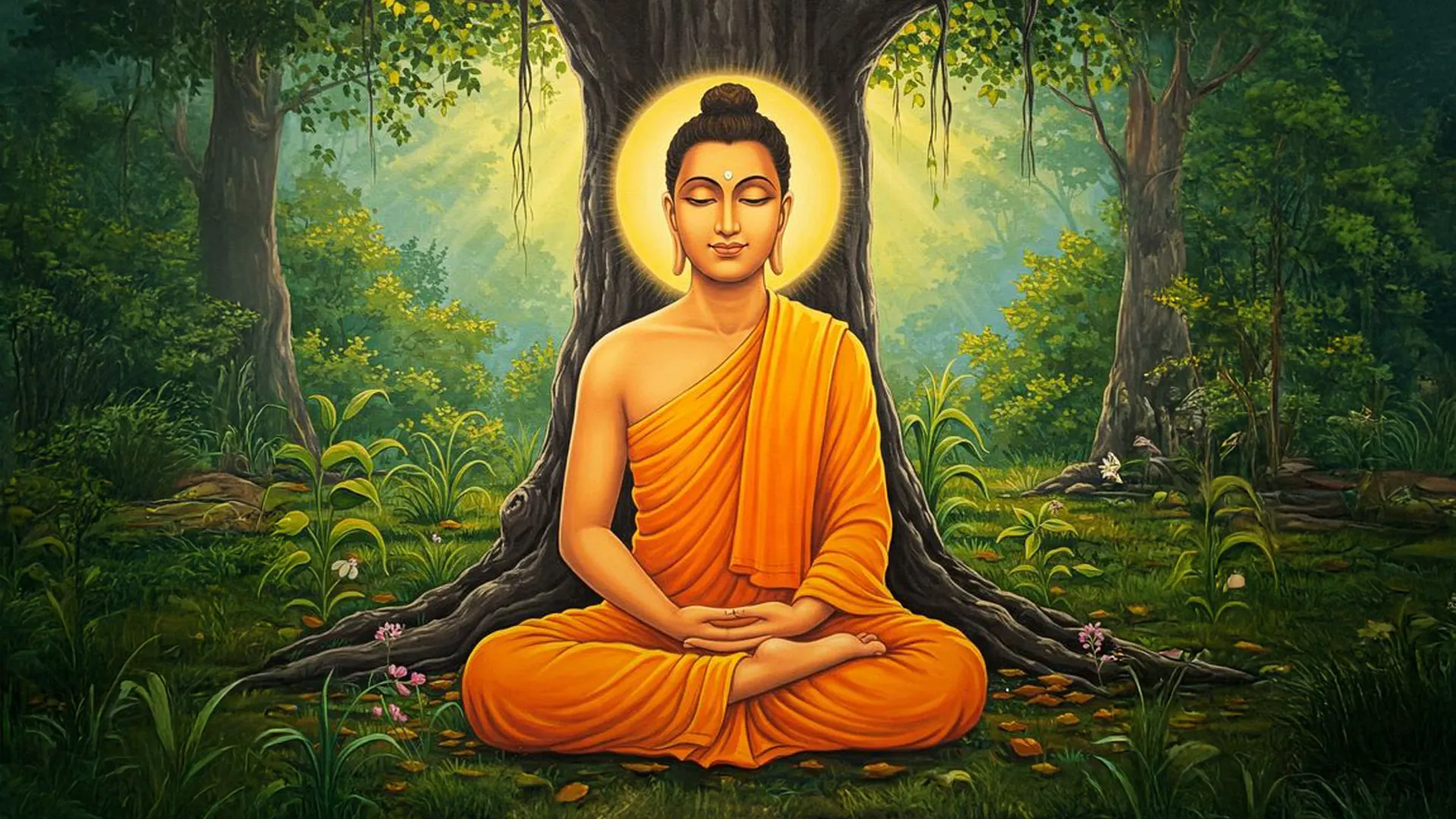
The Freedom Found in Letting Go
In the words of the Buddha, "From love springs grief, from love springs fear; for one who is wholly free from love there is no grief, much less fear." This profound statement invites us to explore the intricate relationship between love, attachment, and the emotional turmoil that often accompanies them. It challenges us to consider how our attachments can lead to suffering, suggesting that true freedom lies in the ability to love without clinging. Understanding this dynamic is crucial for anyone seeking to navigate the complexities of human emotion and find peace in a world rife with uncertainty.
At the heart of this teaching is the recognition that love, while often seen as a source of joy, can also give rise to profound sorrow and fear. The Buddha's insight encourages us to examine the nature of our attachments—whether to people, outcomes, or even our own identities. By acknowledging that love can lead to grief and fear, we are prompted to question the depth of our attachments and the extent to which they govern our emotional well-being. This inquiry is not merely an intellectual exercise; it is a path toward liberation from the cycles of suffering that arise from clinging.
The image / the metaphor
The imagery in the Buddha's quote evokes a deep sense of the interconnectedness of love and suffering. The verbs "springs" and "is" suggest a natural, almost inevitable flow from love to grief and fear, as if these emotions are tributaries flowing from the same river. This metaphor highlights the idea that love, when intertwined with attachment, can lead to a cascade of emotional responses that may overwhelm us. The felt sense of this quote resonates with anyone who has experienced the bittersweet nature of love, where joy is often shadowed by the fear of loss and the grief that follows.
In the speaker's tradition
Within the Buddhist tradition, the concepts of non-clinging and attachment are central to understanding the nature of suffering. The Buddha's teachings on dharma emphasize the importance of recognizing the impermanence of all things, including our relationships and emotions. This recognition is closely tied to the idea of sunyata, or emptiness, which suggests that our attachments are rooted in a misunderstanding of the self and the world. By letting go of our clinging, we can experience a profound sense of freedom, allowing love to flow without the constraints of fear and grief.
A relevant text that echoes this sentiment is the Dhammapada, where the Buddha speaks extensively about the nature of attachment and its consequences. In one passage, he states, "All conditioned things are impermanent—when one sees this with wisdom, one turns away from suffering." This teaching reinforces the idea that understanding the transient nature of love and attachment can lead to a deeper sense of peace. By cultivating prajna, or wisdom, we can navigate our emotional landscapes with greater clarity and compassion.
Living the teaching
Consider a modern scenario where this teaching might resonate: a close friendship that has become strained due to unspoken expectations and fears of abandonment. In this situation, the love shared between friends is overshadowed by the anxiety of losing that connection. By recognizing the attachment that fuels this fear, one can begin to approach the relationship with a sense of openness and acceptance, allowing love to exist without the burden of clinging. This shift can transform the dynamic, fostering a deeper understanding and appreciation for one another.
Another application of this teaching can be found in romantic relationships, where the fear of loss often leads to possessiveness and insecurity. When partners cling to each other out of fear, they may inadvertently create a cycle of suffering that diminishes the love they share. By practicing non-clinging—embracing the idea that love can exist without ownership—individuals can cultivate a healthier, more resilient bond. This practice encourages both partners to support each other's growth and autonomy, ultimately enriching their connection.
A reflection
As we contemplate the Buddha's words, we are invited to reflect on our own relationships and attachments. How might our fears and grief be rooted in our clinging to love? In what ways can we cultivate a love that is free from attachment, allowing us to experience connection without the weight of suffering? This inquiry can serve as a powerful guide on our journey toward emotional freedom and deeper understanding.




Join the BrightStar Community
Stay connected with daily inspiration, event announcements, and community wisdom