The Power of Now: Embracing the Present Moment
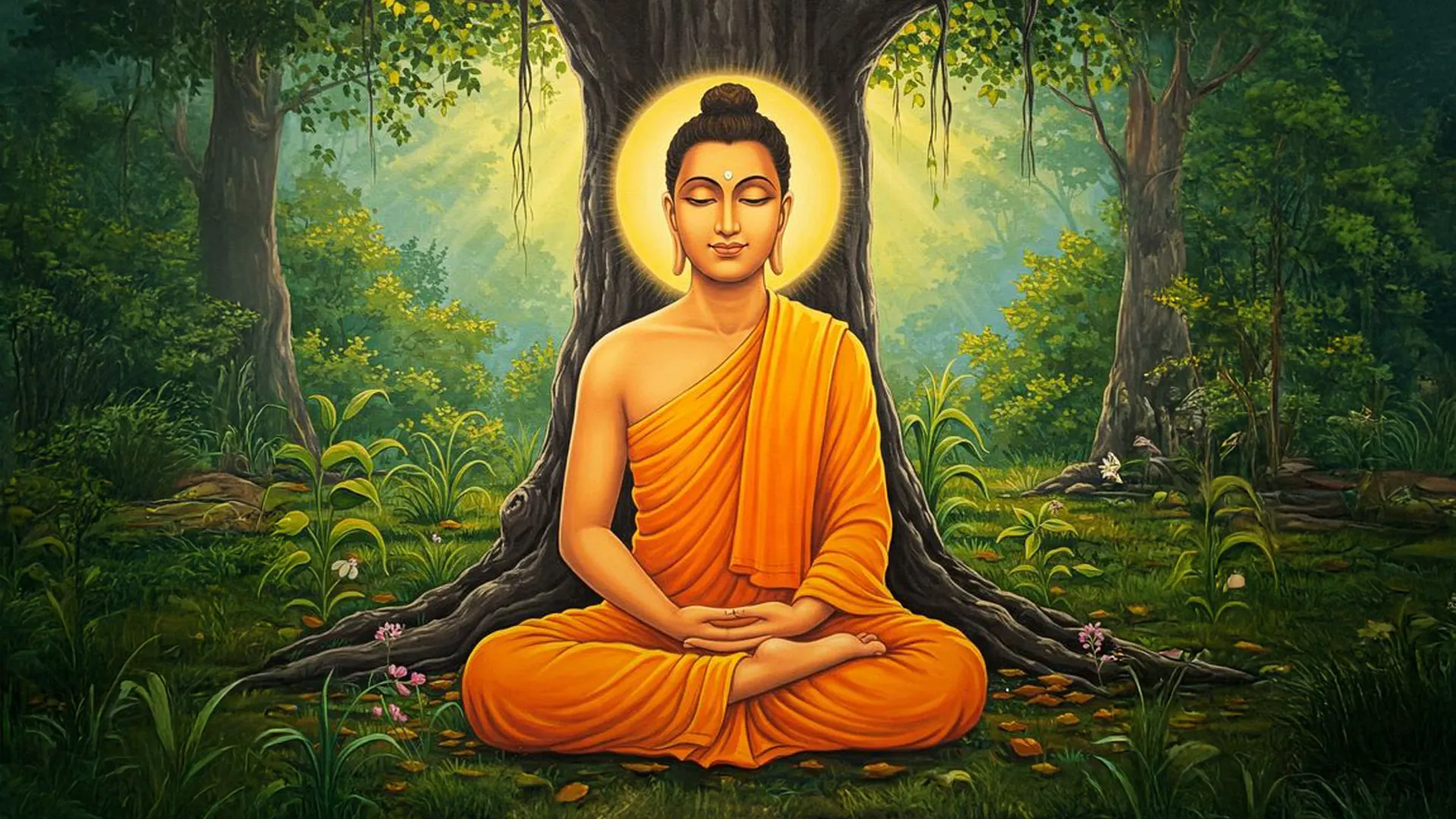
Buddha's exhortation to "Do not dwell in the past, do not dream of the future, concentrate the mind on the present moment" serves as a profound reminder of the importance of mindfulness. In a world often consumed by regrets and anxieties, this teaching invites us to anchor ourselves in the here and now. The stakes are high; our mental well-being and spiritual growth hinge on our ability to cultivate presence, allowing us to experience life fully and authentically.
This call to presence is not merely a suggestion but a vital practice that can transform our experience of reality. By focusing our minds on the present, we can cultivate a sense of peace and clarity that is often obscured by the noise of past grievances and future uncertainties. The essence of this teaching lies in its simplicity, yet its implications are vast, offering a pathway to deeper understanding and connection with ourselves and the world around us.
The image / the metaphor
The imagery in Buddha's quote evokes a sense of movement away from the distractions of time. The verbs "dwell," "dream," and "concentrate" illustrate a journey: one that moves from the weight of the past and the illusions of the future to the focused clarity of the present moment. This shift is not just a mental exercise; it embodies a felt sense of liberation, as if shedding the burdens of time allows us to breathe more freely and engage more fully with life.
In the speaker's tradition
Within the context of Buddhism, this teaching resonates deeply with the concept of dharma, which emphasizes the importance of living in accordance with the truth of our experiences. The practice of mindfulness, or sati, is central to this tradition, encouraging practitioners to observe their thoughts and feelings without attachment. This aligns with the notion of sunyata, or emptiness, which teaches that clinging to past or future can cloud our perception of reality, preventing us from experiencing life as it truly is.
Moreover, the Dhammapada, from which this quote is derived, serves as a foundational text that encapsulates the essence of Buddha's teachings. In it, we find numerous verses that echo the sentiment of living in the present, urging us to cultivate awareness and understanding. The text invites us to recognize that true peace and happiness arise not from external circumstances but from our inner state of being, which is shaped by our ability to remain present.
Living the teaching
Consider a modern scenario where this teaching can be applied: a busy professional caught in the whirlwind of deadlines and responsibilities. Often, such individuals find themselves ruminating over past mistakes or worrying about future projects, leading to stress and burnout. By consciously choosing to focus on the present moment—perhaps through mindful breathing or a brief pause to appreciate their surroundings—they can cultivate a sense of calm and clarity that enhances their productivity and overall well-being.
In relationships, this teaching can also have a profound impact. Imagine a couple navigating a difficult conversation, where past grievances threaten to cloud their communication. By concentrating on the present moment, they can listen to each other with empathy and openness, fostering a deeper connection and understanding. This practice of presence not only enriches their relationship but also allows them to respond to each other with compassion rather than defensiveness, creating a space for healing and growth.
A reflection
As we contemplate Buddha's wisdom, we might ask ourselves: "In what ways do I allow the past or future to distract me from the richness of the present moment?" This question invites us to reflect on our habits and patterns, encouraging us to explore how we can cultivate a more mindful approach to our daily lives. By embracing the present, we open ourselves to the beauty and depth of our experiences, allowing us to live more fully and authentically.




Join the BrightStar Community
Stay connected with daily inspiration, event announcements, and community wisdom