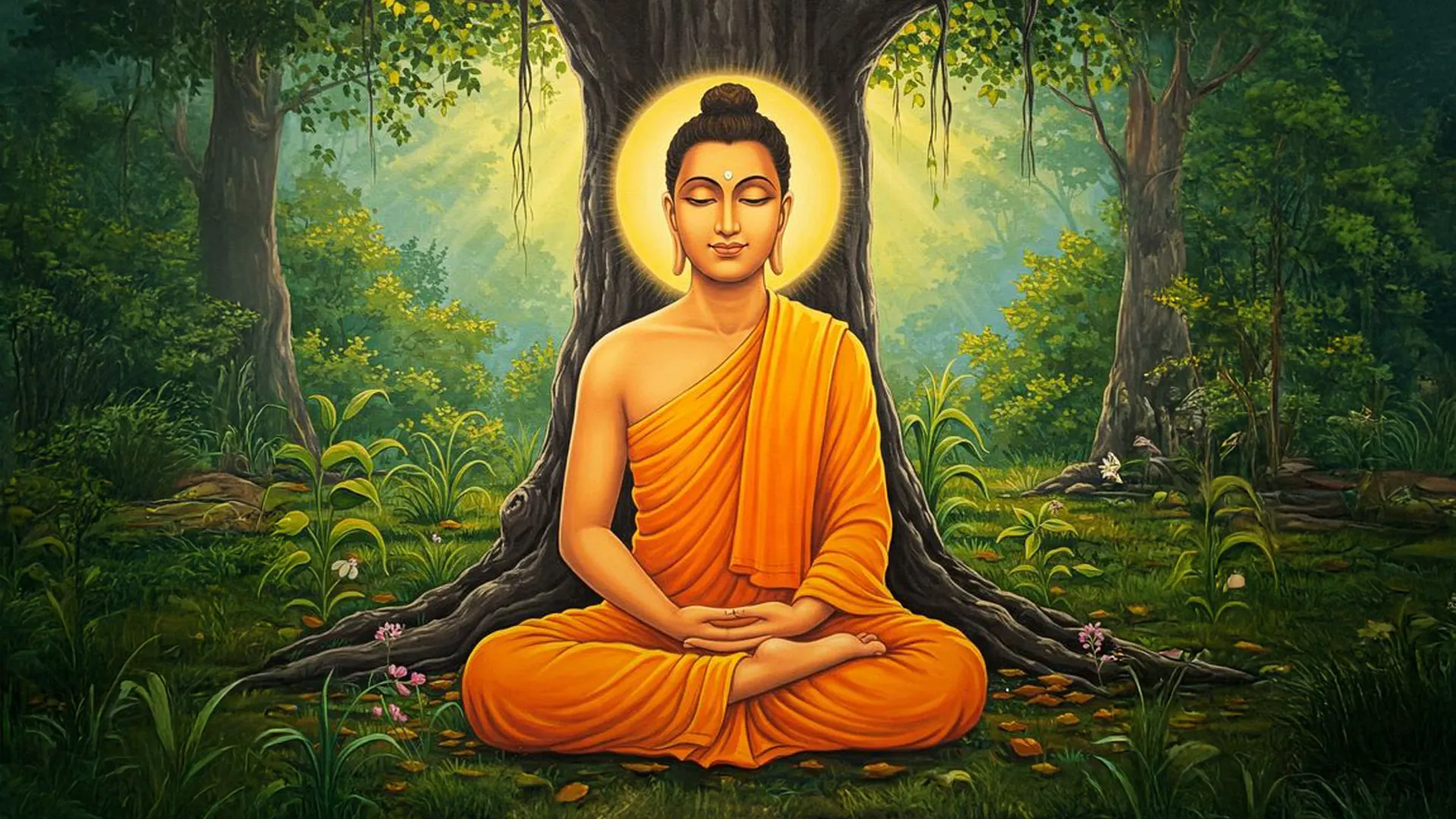
The Art of Inner Mastery: A Contemplation on Control
In the words of the Buddha, "He who controls his hand, who controls his foot, who controls his speech, who is well-controlled, who delights inwardly, who is collected, alone, content — him they call Bhikshu." This profound statement encapsulates the essence of self-discipline and inner tranquility. It invites us to reflect on the nature of control, not as a means of domination over others, but as a pathway to personal liberation and contentment. In a world often characterized by chaos and distraction, the call to cultivate mastery over oneself is both timely and timeless.
At its core, this quote speaks to the transformative power of self-regulation. The Buddha emphasizes the importance of controlling our actions, words, and thoughts as a means to achieve a deeper state of being. The term "Bhikshu," often translated as "monk," signifies not just a renouncer of worldly pleasures but a seeker of profound inner peace. This teaching resonates deeply within the fabric of Buddhist philosophy, where the journey toward enlightenment is paved with the stones of discipline and self-awareness.
The image / the metaphor
The imagery in the Buddha's quote is rich and evocative. The act of controlling one's hand, foot, and speech conjures a vivid picture of an individual who is not merely reactive to the world around them but is instead a conscious participant in their own life. Each verb—control, delight, collect—carries a weight that speaks to the necessity of intentionality in our actions. The phrase "delights inwardly" suggests a profound joy that arises not from external circumstances but from a wellspring of inner peace and self-mastery.
Diving deeper into the metaphor, we can see that the control the Buddha speaks of is not about suppression or denial. Rather, it is an invitation to cultivate awareness and mindfulness in every aspect of our lives. The well-controlled individual is one who has harmonized their inner and outer worlds, achieving a state of balance that allows for genuine contentment. This internal alignment is what distinguishes the Bhikshu, who walks the path of wisdom and compassion, from those who remain ensnared in the tumult of unregulated desires.
In the speaker's tradition
Within the context of Buddhist teachings, the notion of control is intricately linked to the concept of dharma, which encompasses the moral and ethical duties one must observe to live a righteous life. The Buddha's emphasis on self-control aligns with the practice of mindfulness, where one learns to observe thoughts and emotions without attachment. This practice is akin to the Christian concept of kenosis, the self-emptying of one's will to align with a higher purpose, or the Sufi notion of fana, the annihilation of the self in the divine. Each of these traditions echoes the sentiment that true mastery comes from surrendering the ego and embracing a deeper truth.
Moreover, the Dhammapada, from which this quote is derived, serves as a foundational text that outlines the path to enlightenment through ethical conduct and mental discipline. In verses that precede and follow this teaching, the Buddha elaborates on the importance of cultivating wholesome thoughts and actions as a means to achieve liberation from suffering. This interconnectedness of thought, word, and deed is a recurring theme in Buddhist literature, reinforcing the idea that true control leads to a harmonious existence.
Living the teaching
Consider a modern scenario where this teaching can be applied: a heated discussion at work where emotions run high. In such moments, the ability to control one's speech becomes paramount. By choosing words carefully and responding with mindfulness rather than reacting impulsively, one can transform a potentially volatile situation into an opportunity for constructive dialogue. This practice of self-control not only fosters a more harmonious workplace but also cultivates respect and understanding among colleagues.
Another application of this teaching might arise in personal relationships, particularly during conflicts. When faced with a disagreement, the ability to remain collected and content can prevent escalation. Instead of allowing frustration to dictate responses, one can practice pausing, reflecting, and choosing words that promote healing rather than harm. This discipline in communication not only strengthens relationships but also nurtures a sense of inner peace, aligning with the Buddha's vision of a well-controlled life.
A reflection
As we contemplate the Buddha's words, we are invited to ask ourselves: In what areas of my life do I seek greater control, and how might this lead to deeper contentment? This question encourages introspection and invites us to explore the ways in which our actions, words, and thoughts align with our inner desires for peace and fulfillment. By engaging with this inquiry, we can begin to embody the essence of the Bhikshu, cultivating a life marked by discipline, joy, and profound inner mastery.


Join the BrightStar Community
Stay connected with daily inspiration, event announcements, and community wisdom