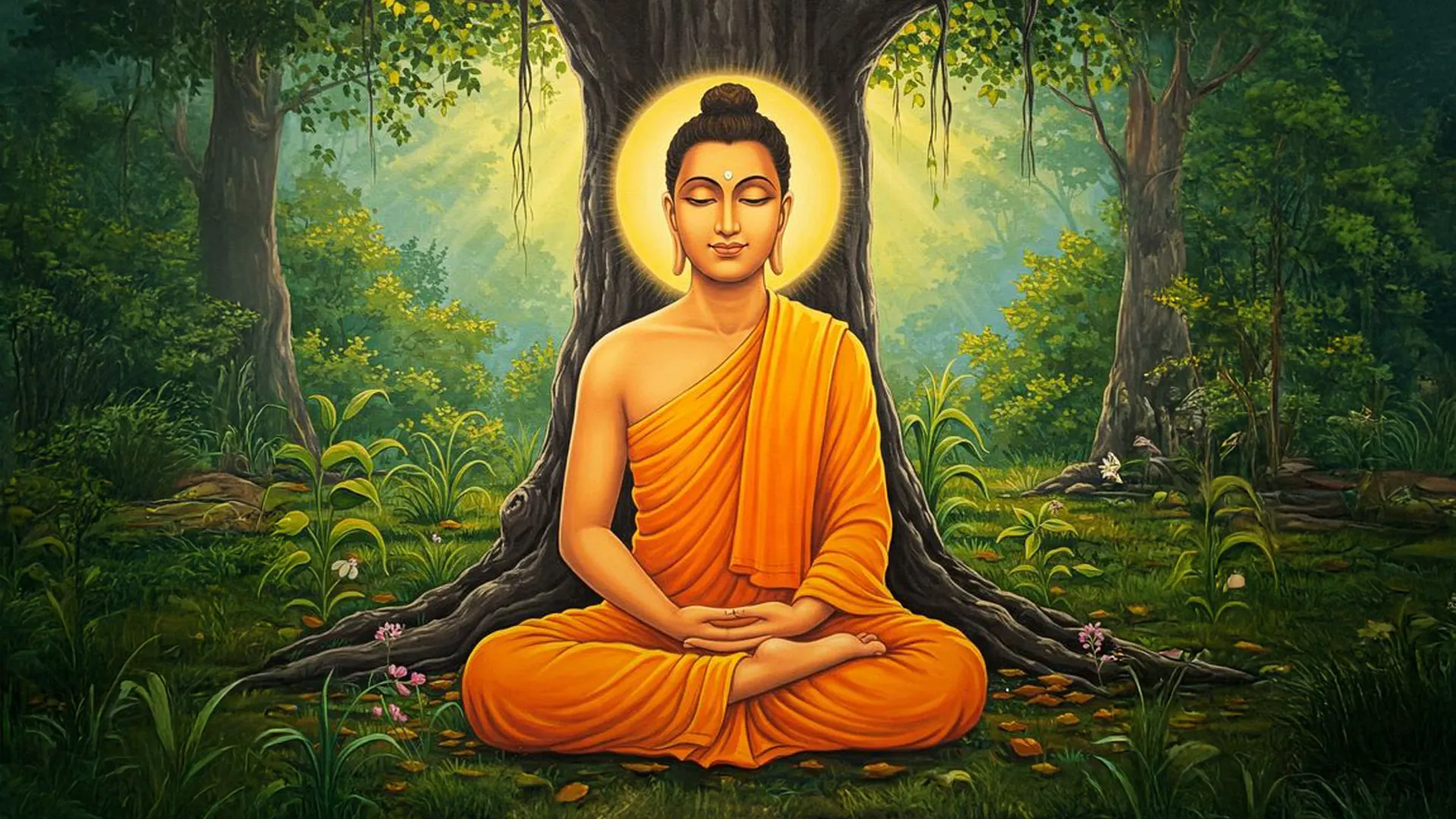
The Weight of a Mustard Seed: Liberation from Anger and Hatred
Buddha's assertion that "Him I call a Brahmana from whom anger and hatred, pride and envy have dropped like a mustard seed from the point of a needle" invites us to reflect on the profound liberation that comes from shedding the burdens of negative emotions. In this metaphor, the imagery of a mustard seed, so small and light, evokes the possibility of releasing heavy emotional weights that often anchor us in suffering. The stakes of this teaching are high; it challenges us to examine our own attachments to anger and pride, and to consider what it means to truly embody peace and compassion.
In a world rife with conflict and division, the relevance of Buddha's words resonates deeply. The journey toward becoming a "Brahmana," or a spiritually awakened individual, is not merely about external practices or rituals; it is an internal transformation that requires us to confront and relinquish the emotions that cloud our hearts and minds. This teaching serves as a beacon, guiding us toward a state of being where love and understanding flourish, free from the corrosive effects of hatred and envy.
The image / the metaphor
The imagery in Buddha's quote is strikingly vivid. The comparison of anger and hatred to a mustard seed, which can easily slip from the point of a needle, suggests that these emotions, while often perceived as heavy burdens, can be released with intention and mindfulness. The choice of the needle's point as a reference point emphasizes the precision and delicacy required in this process of letting go. It invites us to consider how tightly we cling to our grievances and how, with practice, we might learn to loosen our grip.
Diving deeper into the metaphor, we find that the mustard seed represents not only the weight of negative emotions but also the potential for growth and transformation. Just as a mustard seed can sprout into a flourishing plant, so too can the release of anger and hatred lead to the blossoming of compassion and understanding. This duality highlights the importance of recognizing our emotional states and choosing to cultivate a garden of positive qualities instead of allowing the weeds of negativity to take root.
In the speaker's tradition
Within the context of Buddhism, Buddha's teaching aligns closely with the concept of *dharma*, which encompasses the path of righteousness and the ethical conduct necessary for spiritual liberation. The shedding of anger and hatred is akin to the practice of *kenosis*, or self-emptying, where one relinquishes the ego's hold on negative emotions to embrace a more expansive, compassionate existence. This process is also related to the notion of *sunyata*, or emptiness, which teaches that our attachments to emotions and identities are illusions that can be transcended.
A relevant text that echoes this sentiment is the *Dhammapada* itself, which emphasizes the importance of mental discipline and the cultivation of wholesome states of mind. In verses that speak to the nature of anger and its consequences, Buddha reminds us that "hatred does not cease by hatred, but only by love." This reinforces the idea that true liberation comes not from external circumstances but from the internal work of transforming our emotional landscape.
Living the teaching
Consider a modern scenario where this teaching can be applied: imagine a workplace filled with tension and competition. Colleagues may harbor resentment or envy toward one another, creating an atmosphere thick with negativity. By consciously choosing to release these emotions—much like dropping a mustard seed from a needle's point—individuals can foster a more collaborative and harmonious environment. This act of letting go not only benefits the individual but also contributes to a collective shift toward peace and understanding.
In a more personal context, think about a difficult relationship where anger and pride have created a rift. The practice of recognizing these emotions and intentionally releasing them can open the door to healing and reconciliation. By embodying the qualities of a "Brahmana," one can approach the relationship with a renewed sense of compassion, allowing for dialogue and connection to flourish. This daily practice of mindfulness and emotional release can transform not only our interactions but also our inner lives.
A reflection
As we contemplate Buddha's profound teaching, we are invited to ask ourselves: What burdens of anger, hatred, pride, or envy am I carrying, and how might I begin to release them? This question encourages a deep introspection that can lead to meaningful change. By engaging with this inquiry, we open ourselves to the possibility of liberation, allowing the lightness of a mustard seed to guide us toward a more peaceful existence.




Join the BrightStar Community
Stay connected with daily inspiration, event announcements, and community wisdom