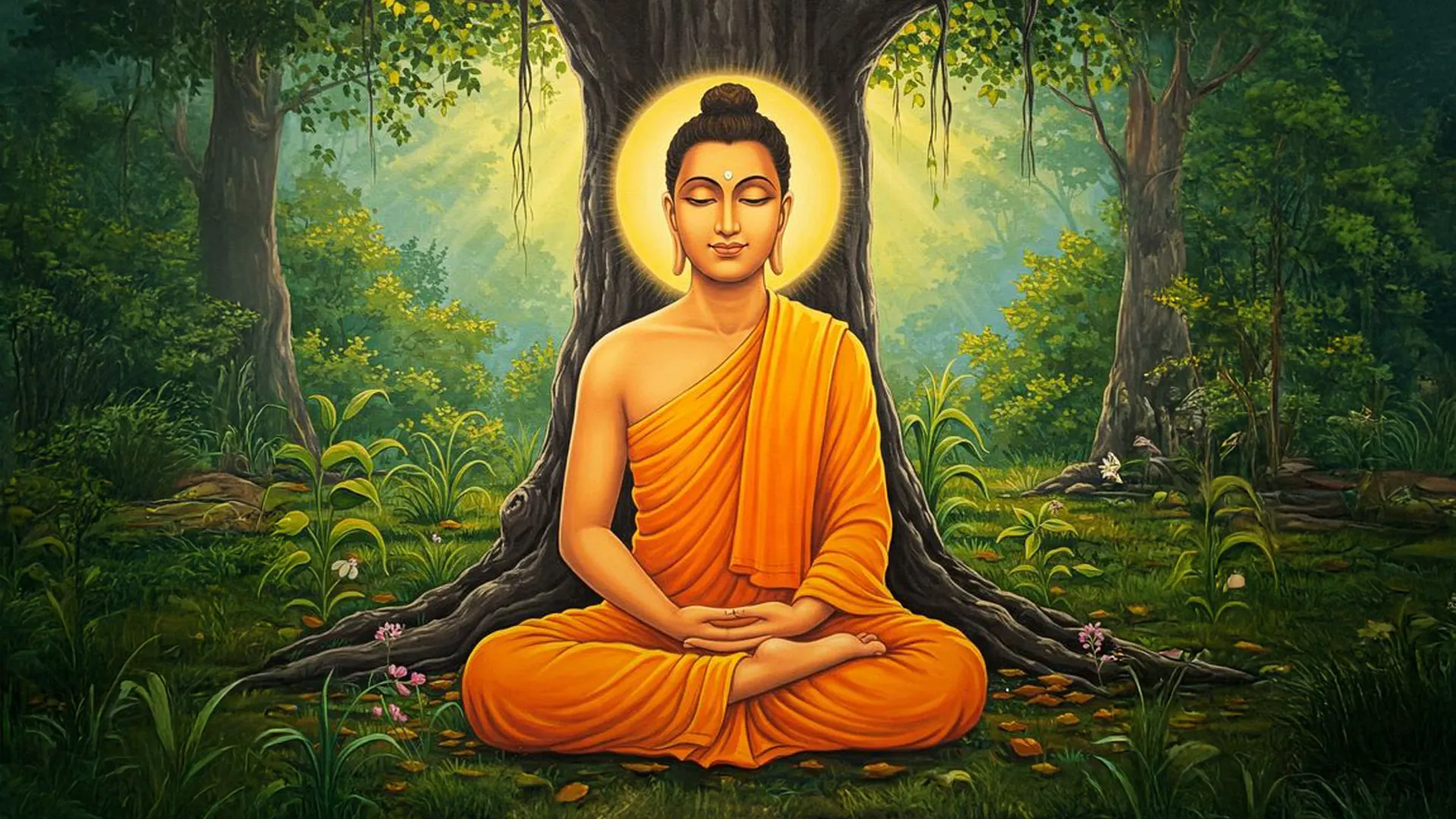
The Path to the Divine: Truth, Anger, and Generosity
Buddha's exhortation to "Speak the truth, do not yield to anger; give, if you are asked, from the little you have. By these three steps you will go near to the gods" encapsulates a profound spiritual journey. This quote invites us to engage with the essence of virtue, urging us to cultivate honesty, emotional resilience, and generosity. In a world often clouded by deceit, anger, and selfishness, these three steps serve as a compass guiding us toward a more divine existence, fostering a connection not only with ourselves but also with the greater cosmos.
In this brief yet powerful statement, Buddha distills the essence of ethical living into actionable steps. Each directive is a call to mindfulness, a reminder that our actions and intentions shape our spiritual path. The stakes are high; our ability to navigate life's challenges with integrity and compassion determines not only our personal growth but also our impact on the world around us. By embodying these principles, we not only elevate our own lives but also contribute to a collective awakening.
The image / the metaphor
The imagery in Buddha's quote is rich and evocative. "Speak the truth" suggests a clarity of voice and intention, a call to articulate our innermost convictions without distortion. The phrase "do not yield to anger" conjures the image of a steadfast heart, one that remains unshaken amidst the storms of emotion. Finally, "give, if you are asked, from the little you have" paints a picture of humility and selflessness, where even the smallest act of generosity is a step toward the divine. Each verb—speak, yield, give—carries weight, urging us to act with intention and purpose.
In the speaker's tradition
Within the Buddhist tradition, the teachings of the Buddha emphasize the importance of virtue, or sila, as foundational to spiritual development. The concepts of dharma and prajna—wisdom—intertwine with the directives in this quote, suggesting that truthfulness is not merely a moral obligation but a pathway to enlightenment. The practice of non-attachment, or sunyata, aligns with the call to not yield to anger, as it encourages us to let go of our emotional responses and cultivate equanimity. Generosity, or dana, is celebrated as a means of transcending the self, fostering a sense of interconnectedness with all beings.
In the Dhammapada, where this quote is sourced, we find numerous verses that echo these sentiments. For instance, the text emphasizes that "hatred does not cease by hatred, but only by love," reinforcing the idea that our responses shape our reality. This aligns with the Buddha's teachings on the Four Noble Truths, where the recognition of suffering and the path to its cessation are central themes. By embodying truth, emotional resilience, and generosity, we align ourselves with the noble path that leads to liberation.
Living the teaching
Consider a modern scenario where this teaching resonates: a workplace conflict arises, and tensions run high. In such moments, the directive to "speak the truth" becomes crucial. Instead of succumbing to anger or frustration, one can approach the situation with clarity and honesty, expressing concerns without malice. This not only diffuses the immediate tension but also fosters an environment where open communication is valued. By choosing to respond with integrity, we create a ripple effect that encourages others to do the same, ultimately transforming the workplace culture.
In personal relationships, the application of these teachings can be equally transformative. Imagine a disagreement with a loved one, where emotions may run deep. The practice of not yielding to anger allows for a moment of pause, a chance to reflect before reacting. By speaking the truth of one's feelings without blame and offering understanding, the relationship can deepen rather than fracture. Furthermore, the act of giving—whether it be time, attention, or resources—can strengthen bonds, reminding us that even the smallest gestures of generosity can lead to profound connections.
A reflection
As we contemplate Buddha's words, we are invited to reflect on our own lives: How often do we speak our truth, and how do we respond to anger when it arises? In what ways can we practice generosity, even when we feel we have little to give? These questions serve as a mirror, prompting us to examine our actions and intentions. By embracing the teachings encapsulated in this quote, we can embark on a journey toward greater virtue, ultimately drawing nearer to the divine essence that resides within us all.




Join the BrightStar Community
Stay connected with daily inspiration, event announcements, and community wisdom