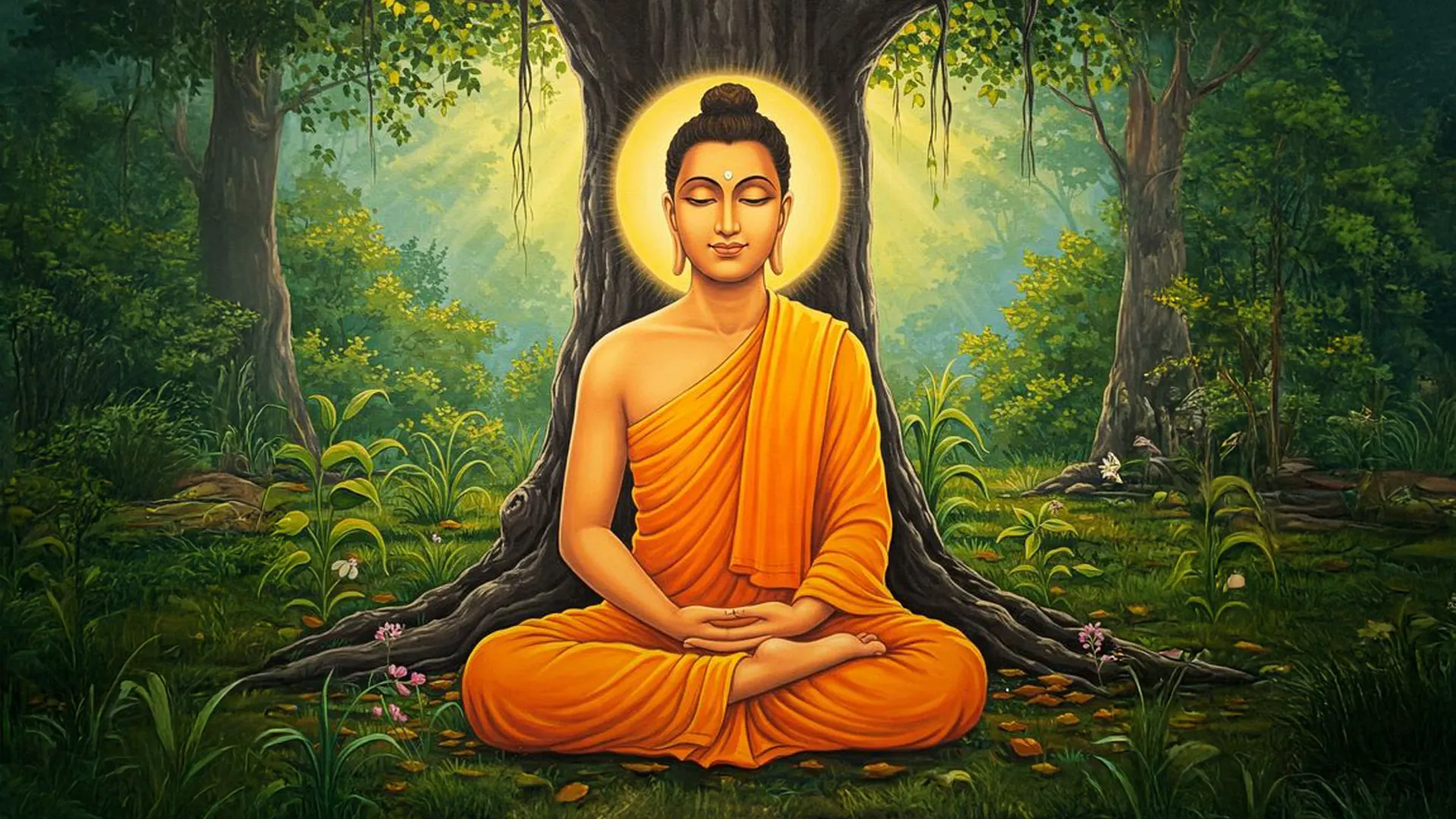
The Path of Diligence: A Journey Towards Life
Buddha's assertion that "to be idle is a short road to death and to be diligent is a way of life; foolish people are idle, wise people are diligent" invites us to reflect on the profound relationship between our actions and the essence of living. This quote serves as a poignant reminder that our choices shape our existence, urging us to embrace diligence as a vital force in our lives. In a world where distractions abound and idleness often masquerades as relaxation, understanding the implications of this teaching becomes essential for cultivating a meaningful life.
At its core, this quote challenges us to examine the nature of our engagement with the world. It suggests that idleness, often perceived as a harmless escape, can lead us down a path of stagnation and disconnection from our true selves. Conversely, diligence is portrayed not merely as hard work but as an active participation in life, a commitment to growth, and a means of aligning ourselves with the greater truths of existence. This duality between idleness and diligence resonates deeply within the Buddhist tradition, where the pursuit of wisdom and the cultivation of skillful means are paramount.
The image / the metaphor
The imagery in Buddha's quote evokes a stark contrast between two states of being: idleness and diligence. The term "idle" conjures a sense of passivity, a stillness that can easily slip into lethargy or despair. In contrast, "diligent" suggests an active engagement with life, a purposeful striving towards understanding and enlightenment. The verbs chosen—"to be" and "to be diligent"—imply a choice, a conscious decision that shapes our path. This choice is not merely about physical activity but encompasses mental and spiritual engagement, urging us to be fully present in our lives.
In the speaker's tradition
Within the context of Buddhism, Buddha's teaching on diligence aligns closely with the concept of "dharma," which encompasses the moral and ethical duties that guide our actions. Diligence is not merely about hard work; it is a manifestation of wisdom, or "prajna," that recognizes the impermanence of life and the importance of making the most of our time. This teaching resonates with the practice of "right effort," one of the elements of the Noble Eightfold Path, which emphasizes the need to cultivate wholesome states of mind while abandoning unwholesome ones. In this light, diligence becomes a spiritual practice, a way of aligning ourselves with the truth of our existence.
Furthermore, the Dhammapada, from which this quote is drawn, serves as a foundational text that encapsulates the essence of Buddha's teachings. It emphasizes the importance of personal responsibility and the transformative power of our actions. The verses encourage practitioners to cultivate diligence as a means of overcoming ignorance and suffering, reinforcing the idea that our choices directly impact our spiritual journey. In this way, Buddha's words resonate not only as a call to action but as an invitation to awaken to the deeper truths of our lives.
Living the teaching
In our modern lives, the teaching of diligence can be vividly illustrated through the experience of pursuing a personal goal, such as learning a new skill or embarking on a creative project. Imagine someone who dreams of becoming a musician but finds themselves frequently distracted by social media or television. In this scenario, idleness manifests as procrastination, leading to frustration and a sense of unfulfillment. By embracing diligence, this individual can transform their dream into reality, dedicating time each day to practice and refine their craft. This commitment not only nurtures their talent but also fosters a deeper connection to their passion and purpose.
Another application of this teaching can be found in relationships, particularly during challenging moments. When faced with conflict, it is easy to retreat into silence or avoidance, allowing idleness to create distance and misunderstanding. However, choosing diligence in this context means actively engaging in open communication, seeking to understand the other person's perspective, and working collaboratively towards resolution. This approach not only strengthens the bond between individuals but also cultivates a deeper sense of empathy and connection, illustrating how diligence can transform our interactions and enrich our lives.
A reflection
As we contemplate Buddha's profound words, we are invited to reflect on our own lives: In what areas am I allowing idleness to take root, and how might I cultivate diligence instead? This question encourages us to examine our daily choices and the impact they have on our overall well-being. By recognizing the power of our actions, we can begin to align ourselves with the path of life, embracing the wisdom that comes from diligent engagement with the world around us.




Join the BrightStar Community
Stay connected with daily inspiration, event announcements, and community wisdom