The Harmony of Timing and Human Endeavor
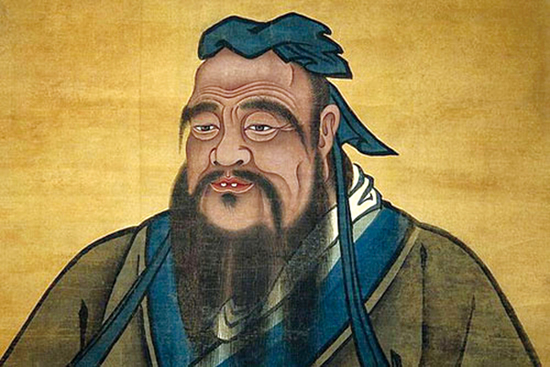
Confucius reminds us that the effective engagement of people must align with the appropriate seasons, suggesting a profound relationship between timing and human effort. This quote speaks to the essence of governance and social harmony, emphasizing that the right actions taken at the right moments can lead to flourishing communities. In a world often driven by urgency and impatience, this wisdom invites us to reflect on the rhythms of life and the importance of aligning our actions with natural cycles.
At its core, this teaching underscores the significance of understanding context—both temporal and situational—in our endeavors. Confucius, through this statement, highlights that the success of governance and community life is not merely a matter of will or intention but is intricately tied to the timing of actions. This perspective encourages us to cultivate patience and discernment, recognizing that the seasons of life, much like the seasons of nature, have their own wisdom that guides us toward effective engagement.
The image / the metaphor
The phrase "employment of the people at the proper seasons" evokes a vivid image of a farmer tending to crops, planting seeds in spring, nurturing them through summer, and harvesting in autumn. The verbs "employment" and "proper" suggest a deliberate and thoughtful approach to human resources, indicating that timing is not arbitrary but rather a critical factor in achieving desired outcomes. This imagery resonates with the natural world, where each season has its purpose, and actions taken in harmony with these cycles yield the best results.
Diving deeper into the metaphor, we can see that this teaching extends beyond agriculture to encompass all aspects of human endeavor. Just as a farmer must understand the land and the seasons, so too must leaders and individuals grasp the nuances of their environments and the needs of their communities. The metaphor invites us to consider how our actions can either align with or disrupt the natural flow of life, urging us to cultivate a sense of awareness and responsiveness to the world around us.
In the speaker's tradition
Within the Confucian tradition, this quote resonates with the concept of "li," or proper conduct, which emphasizes the importance of ritual and timing in social interactions. Just as "li" guides individuals to act appropriately within their roles, the idea of employing people at the right time reflects a broader understanding of harmony and balance in governance. This teaching aligns with the Confucian ideal of "ren," or benevolence, where leaders are called to act with compassion and wisdom, ensuring that their decisions serve the greater good.
Moreover, this notion of timing can be paralleled with the Buddhist concept of "right action" found in the Noble Eightfold Path, which emphasizes the importance of context and intention in ethical behavior. In both traditions, the emphasis on timing and appropriateness serves as a reminder that our actions must be rooted in a deep understanding of the circumstances and the people involved. This interconnectedness of thought across traditions highlights the universal nature of wisdom regarding human engagement.
Living the teaching
Consider a modern scenario in which a community leader is faced with the challenge of implementing a new initiative aimed at improving local education. If this leader rushes to enact changes without first assessing the needs of the community or the timing of the school year, the initiative may falter. However, by taking the time to engage with educators, parents, and students, and by launching the program at the start of a new academic year, the leader aligns the initiative with the natural rhythms of the educational cycle, increasing the likelihood of success.
A reflection
As we contemplate Confucius's wisdom on the employment of people at the proper seasons, we might ask ourselves: How can I better attune my actions to the natural rhythms of my life and the lives of those around me? This question invites us to reflect on our own timing—whether in our work, relationships, or personal growth—and encourages us to seek harmony in our endeavors. By embracing this contemplative inquiry, we open ourselves to the possibility of deeper connection and more meaningful engagement with the world.


Join the BrightStar Community
Stay connected with daily inspiration, event announcements, and community wisdom