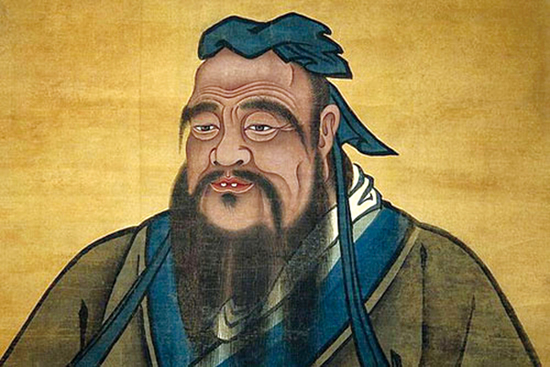
The Journey of Learning: A Reflection on Confucius
Confucius once stated, "At fifteen, I had my mind bent on learning." This declaration encapsulates a pivotal moment in the life of a young seeker, emphasizing the importance of intellectual curiosity and the pursuit of knowledge. The stakes are high; in a world that often prioritizes immediate results over deep understanding, Confucius invites us to reflect on the foundational role that learning plays in shaping our character and future. This quote serves as a reminder that the journey of education is not merely about acquiring facts but about cultivating a mindset that values wisdom and growth.
As we delve deeper into this quote, we recognize that Confucius is not merely recounting a personal anecdote but is articulating a universal truth about the human experience. The age of fifteen, often marked by a burgeoning sense of identity and purpose, becomes a metaphorical crossroads where one can choose the path of lifelong learning. This choice is not limited to formal education; it extends to the lessons gleaned from relationships, experiences, and self-reflection. In this light, Confucius's words resonate with anyone who has ever felt the pull of curiosity and the desire to understand the world more profoundly.
The image / the metaphor
At its core, the quote evokes a vivid image of a young mind, eager and open, ready to absorb the vastness of knowledge that lies ahead. The phrase "bent on learning" suggests a deliberate and almost passionate commitment to education. It conjures a sense of urgency and determination, as if the speaker is not merely passively receiving information but actively engaging with it. This imagery invites us to consider our own relationship with learning—are we merely consumers of knowledge, or are we, like Confucius, bent on a transformative journey?
Diving deeper into the metaphor, we can see that learning is portrayed as a dynamic force that shapes one's identity and purpose. The act of learning becomes a lens through which we view the world, influencing our thoughts, actions, and interactions. In this sense, Confucius is not just speaking about academic learning; he is highlighting the importance of cultivating wisdom through experience, reflection, and dialogue. This metaphor invites us to embrace learning as a lifelong endeavor, one that requires both humility and courage to navigate the complexities of life.
In the speaker's tradition
Within the context of Confucianism, this quote reflects a foundational principle that emphasizes the importance of education and moral development. Confucius believed that learning was not merely an intellectual pursuit but a means to cultivate virtue and ethical behavior. This aligns with the concept of "ren," or humaneness, which is central to Confucian thought. Just as the practice of "dharma" in Buddhism emphasizes the path of righteousness, Confucius's focus on learning underscores the idea that knowledge is intrinsically linked to moral responsibility.
Moreover, the Analects, where this quote is found, serves as a rich source of wisdom that encourages individuals to engage in self-cultivation and reflection. In this text, Confucius often speaks of the importance of lifelong learning and the role of the teacher-student relationship. The dialogue between teacher and student is not merely transactional; it is a sacred exchange that fosters growth and understanding. This relational aspect of learning echoes the Confucian ideal of community, where knowledge is shared and nurtured among individuals.
Living the teaching
In today's fast-paced world, the teaching of Confucius can be applied in various modern scenarios. Consider a young professional who finds themselves at a crossroads in their career. Faced with the pressure to achieve immediate success, they may feel tempted to prioritize short-term gains over personal development. However, by embracing the spirit of Confucius's quote, they can choose to invest in their learning journey, seeking mentorship, pursuing further education, and engaging in reflective practices that deepen their understanding of their field. This commitment to learning not only enhances their skills but also enriches their sense of purpose.
Another application of this teaching can be found in personal relationships. Imagine a couple navigating a challenging period in their partnership. Instead of allowing misunderstandings to fester, they can adopt a mindset "bent on learning," approaching their conflicts as opportunities for growth. By actively listening to each other's perspectives and seeking to understand the underlying emotions, they cultivate a deeper connection and foster a healthier relationship. In this way, the essence of Confucius's teaching transcends the individual and extends into the realm of shared experiences and collective learning.
A reflection
As we contemplate the wisdom of Confucius, we are invited to reflect on our own relationship with learning. Are we, like the young Confucius, actively seeking knowledge and understanding in our lives? What steps can we take to cultivate a mindset that values growth, curiosity, and ethical responsibility? In a world that often prioritizes speed over depth, how can we commit to a lifelong journey of learning that enriches not only our own lives but also the lives of those around us?


Join the BrightStar Community
Stay connected with daily inspiration, event announcements, and community wisdom