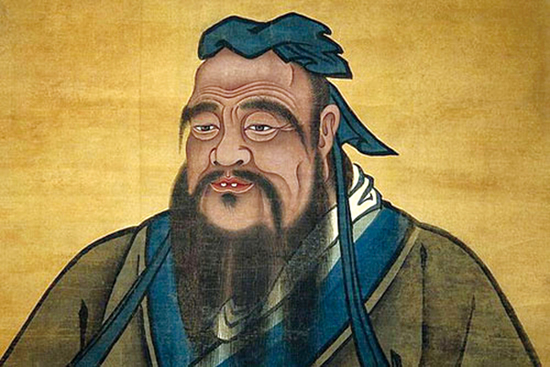
The Clarity of Doubtlessness: A Journey Through Confucius' Wisdom
Confucius once stated, "At forty, I had no doubts," a profound declaration that encapsulates a pivotal moment in the journey of self-discovery and wisdom. This assertion speaks to the clarity that often emerges as one navigates the complexities of life, particularly as they reach a certain age. The significance of this statement lies not merely in the absence of doubt but in the cultivation of understanding and insight that comes with experience. It invites us to reflect on our own paths and the wisdom we accumulate over time.
As we delve deeper into this quote, we recognize that it is not just a personal milestone for Confucius but a universal theme that resonates across cultures and traditions. The age of forty, often seen as a midpoint in life, serves as a metaphor for maturity, where the tumult of youth gives way to a more grounded perspective. This transition is marked by the ability to discern truth from illusion, leading to a profound sense of confidence in one's beliefs and choices. The journey to this clarity is essential, as it shapes our interactions with the world and informs our understanding of our place within it.
The image / the metaphor
At its core, the quote evokes a vivid image of a person standing at the threshold of maturity, having traversed the tumultuous landscape of youth. The phrase "had no doubts" suggests a state of being that is both liberating and empowering. It implies a clarity of purpose and conviction that comes from years of introspection and learning. The choice of the word "had" indicates a past experience, suggesting that this clarity was not always present but was achieved through a process of growth and understanding.
Delving deeper into the metaphor, we can see that the absence of doubt does not imply a lack of questioning or exploration; rather, it signifies a resolution that emerges from grappling with uncertainty. This clarity is akin to the stillness of a lake after a storm, where the waters settle and reveal the depths below. In this sense, Confucius invites us to consider the transformative power of experience, where the trials and tribulations of life ultimately lead to a more profound understanding of ourselves and the world around us.
In the speaker's tradition
Within the framework of Confucianism, this quote resonates with the concept of "ren," or humaneness, which emphasizes the importance of moral integrity and the cultivation of virtue. As one matures, the understanding of ren deepens, allowing individuals to navigate their relationships and responsibilities with greater clarity and compassion. This journey toward clarity is not unlike the Buddhist concept of "prajna," or wisdom, which arises from the realization of the interconnectedness of all beings and the impermanence of life. Both traditions highlight the importance of self-reflection and ethical living as pathways to deeper understanding.
Moreover, the Analects, where this quote is found, serves as a foundational text in Confucian thought, emphasizing the significance of education and self-cultivation. In this context, Confucius' assertion can be seen as a culmination of a lifelong commitment to learning and moral development. Just as the Tao Te Ching speaks of the wise person who knows when to act and when to refrain, Confucius underscores the importance of discernment that comes with age and experience, leading to a life lived with intention and purpose.
Living the teaching
Consider a modern scenario where this teaching might resonate: a professional navigating the complexities of their career. At twenty, one might feel overwhelmed by uncertainty, questioning their choices and direction. However, as they reach their forties, they may find themselves more assured in their decisions, having learned from past experiences and failures. This newfound clarity allows them to approach challenges with confidence, making choices that align with their values and aspirations, ultimately leading to a more fulfilling career.
In the realm of relationships, the wisdom of Confucius can also be applied. Imagine a couple who, after years of navigating the ups and downs of their partnership, reach a point of understanding and acceptance. At first, they may have been plagued by doubts and insecurities, but through open communication and shared experiences, they cultivate a deep sense of trust and clarity. This transformation allows them to face future challenges together, grounded in their mutual understanding and commitment to one another, embodying the essence of Confucian humaneness.
A reflection
As we contemplate Confucius' assertion, we are invited to reflect on our own journeys toward clarity and understanding. What doubts have you faced in your life, and how have they shaped your path? In what ways can you cultivate a deeper sense of confidence and insight as you navigate the complexities of your own experiences? This contemplation encourages us to embrace the process of growth, recognizing that clarity often emerges from the very doubts we seek to overcome.


Join the BrightStar Community
Stay connected with daily inspiration, event announcements, and community wisdom