The Art of Remembering: A Journey Through Kindness and Forgiveness
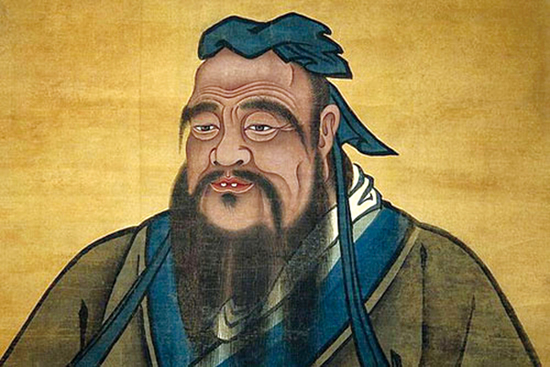
Confucius reminds us in his profound statement, "Forget injuries, never forget kindnesses," that our memories shape our character and our interactions with the world. This quote speaks to the delicate balance between holding onto grievances and nurturing gratitude. In a world often fraught with conflict and misunderstanding, the wisdom of this teaching becomes increasingly relevant, urging us to cultivate a mindset that prioritizes kindness over resentment. The stakes are high; our emotional well-being and the quality of our relationships hinge on our ability to remember the good while letting go of the bad.
At its core, this quote invites us to reflect on the nature of our memories and the choices we make about what to hold onto. It challenges us to consider how we process our experiences, particularly those that involve hurt or betrayal. By choosing to forget injuries, we liberate ourselves from the burdens of anger and bitterness, allowing space for compassion and understanding. Conversely, by committing to remember kindnesses, we foster a sense of connection and gratitude that enriches our lives and the lives of those around us.
The image / the metaphor
The imagery in Confucius's quote is striking and evocative. The act of forgetting injuries suggests a deliberate choice, an active engagement in the process of healing. It implies a release, a shedding of the weight that grievances impose on our hearts. In contrast, the call to remember kindnesses evokes a sense of warmth and appreciation, inviting us to cultivate a mental garden where acts of goodwill flourish. The verbs chosen—"forget" and "remember"—carry significant emotional weight, emphasizing the power of our intentions in shaping our emotional landscape.
Diving deeper into the metaphor, we can see that forgetting injuries is not merely about erasing memories; it is about transforming our relationship with those memories. It is an invitation to reframe our narratives, to see past the pain and recognize the lessons learned. Remembering kindnesses, on the other hand, is an act of nourishment. It is akin to tending to a fire, ensuring that the warmth of gratitude continues to glow brightly in our hearts, illuminating our path forward. This duality of forgetting and remembering encapsulates a profound spiritual practice, one that requires both courage and commitment.
In the speaker's tradition
Within the rich tapestry of Confucianism, this quote resonates with several key concepts, including filial piety, benevolence, and the cultivation of virtue. The emphasis on remembering kindnesses aligns with the Confucian ideal of ren, or humaneness, which calls for compassion and empathy in our interactions. Just as the practice of dharma in Buddhism encourages individuals to act with righteousness and integrity, Confucianism urges us to embody kindness as a fundamental aspect of our character. This teaching serves as a reminder that our moral development is intertwined with our capacity to forgive and to appreciate the goodness in others.
In the Analects, Confucius often emphasizes the importance of relationships and the moral obligations we have toward one another. For instance, he states, "The Master said, 'Is it not a joy to have friends come from afar? Is it not a joy to learn and practice what you have learned? Is it not a joy to be unashamed of your mistakes?'" This interconnectedness of joy, learning, and moral rectitude underscores the essence of remembering kindnesses while letting go of injuries. It is through these relationships that we cultivate a harmonious society, one that thrives on mutual respect and understanding.
Living the teaching
Consider a modern scenario where this teaching can be applied: a workplace conflict. Imagine a colleague who has wronged you, perhaps by taking credit for your work or undermining your efforts. The natural inclination might be to dwell on the injury, allowing resentment to fester. However, by consciously choosing to forget this injury, you create an opportunity for healing and collaboration. Instead of allowing past grievances to dictate your interactions, you can focus on the kindnesses extended by other colleagues, fostering a more supportive and positive work environment.
In a personal relationship, this teaching can manifest during moments of disagreement or hurt. When a loved one disappoints us, it is easy to cling to the pain of that experience. Yet, if we practice remembering the kindnesses they have shown us—those moments of love, support, and understanding—we can navigate the conflict with greater compassion. This approach not only deepens our connection but also transforms the way we engage with one another, allowing us to move forward with a renewed sense of trust and appreciation.
A reflection
As we contemplate the wisdom of Confucius's words, we are invited to reflect on our own memories and the narratives we construct around them. What injuries have we been holding onto that no longer serve us? In what ways can we actively choose to remember the kindnesses that have shaped our lives? This contemplation encourages us to examine our emotional landscapes and consider how we can cultivate a practice of gratitude that honors the goodness in ourselves and others. How might our lives transform if we prioritized kindness in our memories over past injuries?




Join the BrightStar Community
Stay connected with daily inspiration, event announcements, and community wisdom