The Art of Restraint: A Contemplation on Virtue
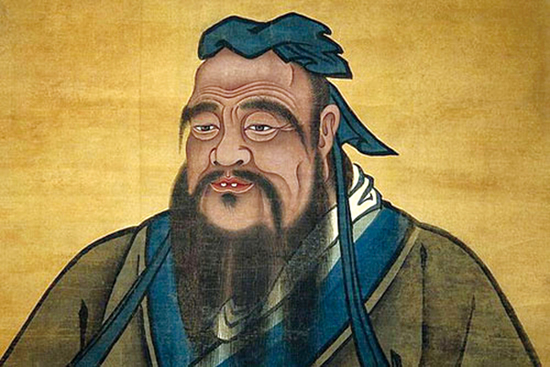
Confucius once remarked, "He shoots, but not at birds perching." This seemingly simple statement encapsulates profound wisdom about restraint and the nature of virtue. In a world often driven by impulse and immediate gratification, this quote invites us to consider the deeper implications of our actions and intentions. It challenges us to reflect on the significance of choosing our targets wisely, not merely in the context of archery but in the broader spectrum of our lives and interactions.
At its core, this quote speaks to the essence of sportsmanship and ethical conduct. It suggests that true mastery lies not in the act of shooting itself, but in the discernment of what we aim for. This discernment is a hallmark of virtuous living, urging us to cultivate an awareness that transcends mere action. By understanding the importance of restraint, we can navigate our lives with intention, ensuring that our pursuits align with our values and contribute positively to the world around us.
The image / the metaphor
The imagery in Confucius's quote evokes a scene of a hunter poised with a bow, yet choosing not to release his arrow at a vulnerable target. The phrase "birds perching" conjures a sense of tranquility and safety, suggesting that the act of shooting is not merely about the mechanics of the bow and arrow, but about the ethical considerations surrounding the act itself. The verbs chosen—"shoots" and "not at"—imply a deliberate choice, a conscious decision to refrain from harming those who are defenseless. This imagery invites us to ponder the broader implications of our actions and the moral weight they carry.
In the speaker's tradition
Within the context of Confucianism, this quote resonates with the core principles of virtue ethics, particularly the concept of ren, or humaneness. Ren emphasizes the importance of empathy, compassion, and moral integrity in our interactions with others. The idea of restraint in aiming at "birds perching" aligns with the Confucian ideal of cultivating a harmonious society, where individuals act with consideration for the well-being of others. This notion of ethical conduct is not merely a personal endeavor but a communal responsibility, reflecting the interconnectedness of all beings.
Furthermore, this teaching can be compared to the Buddhist concept of ahimsa, or non-harming, which advocates for a life lived with compassion and mindfulness. In the Analects, Confucius often emphasizes the importance of self-cultivation and moral development, suggesting that true wisdom arises from an understanding of our place within the larger tapestry of life. By refraining from actions that may harm others, we embody the virtues of both Confucianism and Buddhism, fostering a spirit of peace and respect in our daily lives.
Living the teaching
Consider a modern scenario where this teaching might resonate: a competitive workplace where colleagues vie for promotions and recognition. In such an environment, the temptation to undermine others or to pursue success at any cost can be overwhelming. However, embodying the wisdom of Confucius means recognizing the value of collaboration and support over cutthroat competition. By choosing not to "shoot" at those who are vulnerable—such as a colleague struggling with their workload—we create a culture of mutual respect and encouragement, ultimately leading to a more harmonious workplace.
In personal relationships, this teaching can manifest during moments of conflict. Imagine a disagreement with a loved one where the urge to "shoot" verbal arrows—sharp words meant to wound—arises. Instead, practicing restraint and choosing to engage with empathy allows for a more constructive dialogue. By refraining from attacking the other person’s vulnerabilities, we foster understanding and healing, reinforcing the bonds of love and trust that underpin our relationships. This practice of restraint not only honors the spirit of Confucius's teaching but also enriches our connections with others.
A reflection
As we contemplate the wisdom of Confucius's words, we are invited to reflect on our own lives: What are the "birds" we aim for in our pursuits, and how do we ensure that our actions align with our values? In a world that often encourages impulsive behavior, how can we cultivate the virtue of restraint in our daily interactions? By engaging with these questions, we can deepen our understanding of virtue and strive to live with greater intention and compassion.




Join the BrightStar Community
Stay connected with daily inspiration, event announcements, and community wisdom