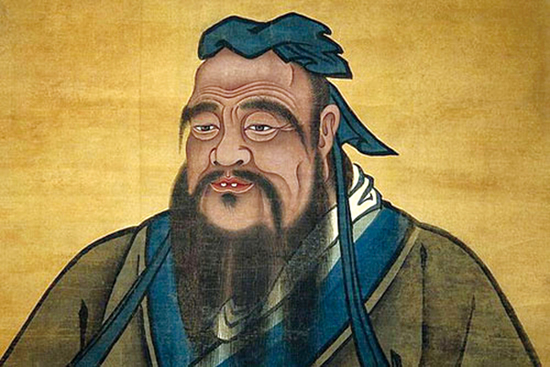
Rooted in Essence: The Wisdom of Confucius
Confucius asserts that "the superior man bends his attention to what is radical," a profound invitation to focus on the essence of matters rather than their superficial manifestations. This call to prioritize the fundamental aspects of life is not merely an intellectual exercise; it is a guiding principle for living with integrity and purpose. In a world often distracted by the transient and the trivial, this wisdom challenges us to seek depth and authenticity in our pursuits.
To understand the significance of this teaching, we must recognize that the term "radical" in this context refers to the root or foundation of things. It implores us to engage with the core principles that govern our actions and relationships. By directing our attention to what is radical, we cultivate a deeper understanding of ourselves and the world around us, fostering a life that is not only meaningful but also aligned with our true nature.
The image / the metaphor
The imagery of bending one's attention evokes a sense of intentionality and focus. The act of bending suggests a deliberate choice to redirect our mental and emotional energies toward what truly matters. It implies a movement away from distractions and superficial concerns, inviting us to engage with the underlying truths that shape our existence. This metaphor speaks to the necessity of discipline in our thoughts and actions, emphasizing that true wisdom requires effort and commitment.
In the speaker's tradition
Confucius's teaching resonates deeply within the broader framework of Confucianism, which emphasizes the cultivation of virtue and moral character. The concept of "ren," or humaneness, is central to this tradition, reflecting the importance of empathy and ethical relationships. By focusing on what is radical, we align ourselves with the principles of ren, fostering a sense of connection and responsibility toward others. This alignment encourages us to act with integrity, prioritizing the well-being of the community over individual desires.
In the Analects, Confucius often speaks of the importance of education and self-cultivation as pathways to understanding the radical truths of life. For instance, he states, "Is it not a joy to have friends come from afar?" This highlights the value of relationships and the shared pursuit of wisdom. By engaging with others in meaningful dialogue, we can uncover deeper insights and cultivate a collective understanding of what it means to live virtuously.
Living the teaching
Consider a modern scenario where this teaching might apply: a workplace filled with distractions and competing priorities. An employee, overwhelmed by the demands of daily tasks, might find themselves caught in a cycle of busyness that obscures their true purpose. By consciously choosing to "bend their attention" to the radical aspects of their work—such as the core values of the organization or the impact of their contributions on colleagues—they can regain clarity and motivation. This shift in focus not only enhances their productivity but also fosters a sense of fulfillment and alignment with their deeper values.
In the realm of relationships, this teaching can manifest during moments of conflict. When faced with a disagreement, individuals often focus on the surface issues—words spoken or actions taken—rather than the underlying feelings and needs driving those actions. By bending their attention to the radical essence of the conflict, such as the desire for understanding or connection, they can engage in more constructive dialogue. This approach not only resolves the immediate issue but also strengthens the relationship, fostering a deeper bond rooted in empathy and mutual respect.
A reflection
As we contemplate the wisdom of Confucius, we are invited to consider: What are the radical truths in my life that I have overlooked? This question encourages us to pause and reflect on the deeper motivations and values that guide our actions. By engaging with this inquiry, we open ourselves to a transformative journey of self-discovery, allowing the essence of our being to illuminate our path forward.


Join the BrightStar Community
Stay connected with daily inspiration, event announcements, and community wisdom