The Art of Virtue: A Journey Within
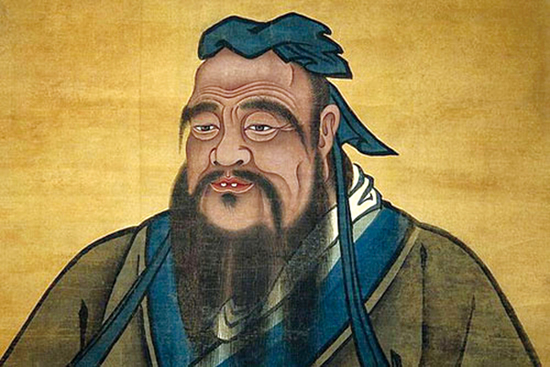
Confucius invites us to explore the profound connection between our inner lives and our judgments of others when he states, "To be able to judge of others by what is nigh in ourselves — this may be called the art of virtue." This assertion underscores the importance of self-awareness and empathy in our interactions. It suggests that our capacity to understand and evaluate others is intrinsically linked to our understanding of ourselves, highlighting the ethical responsibility we bear in our judgments.
In a world often marked by division and misunderstanding, Confucius's words resonate with a timeless relevance. The art of virtue, as he describes it, is not merely an abstract concept but a practical skill that requires cultivation. It challenges us to look inward, to confront our own flaws and virtues, and to recognize how these internal states shape our perceptions of others. This call for introspection is a vital step toward fostering a more compassionate and harmonious society.
The image / the metaphor
The imagery in Confucius's quote evokes a mirror reflecting our inner selves. The phrase "what is nigh in ourselves" suggests proximity, indicating that our understanding of others is deeply rooted in our own experiences and emotions. The verbs "to judge" and "to be able" imply an active engagement, a skill that requires practice and mindfulness. This metaphorical mirror not only reflects our virtues but also our shortcomings, urging us to confront the full spectrum of our humanity.
In the speaker's tradition
Within the rich tapestry of Confucianism, this teaching aligns closely with the concept of ren, often translated as "benevolence" or "humaneness." Ren emphasizes the importance of empathy and moral integrity in our relationships with others. By understanding ourselves and our motivations, we cultivate the capacity for ren, allowing us to engage with others in a manner that is both compassionate and just. This self-awareness is not merely a personal endeavor but a communal responsibility, as our actions ripple through the fabric of society.
Moreover, the Analects, where this quote is found, serves as a foundational text for Confucian thought, emphasizing the importance of moral cultivation. In this context, the practice of self-examination is akin to the Buddhist concept of prajna, or wisdom, which also calls for a deep understanding of oneself to foster compassion for others. Both traditions highlight the interconnectedness of self and other, suggesting that true virtue arises from a profound awareness of our shared humanity.
Living the teaching
Consider a modern scenario where this teaching can be applied: a workplace conflict. Imagine a colleague who consistently misses deadlines, leading to frustration among team members. Instead of hastily judging their character or work ethic, one might reflect on their own experiences with stress and pressure. By recognizing that everyone faces challenges, we can approach the situation with empathy, seeking to understand the underlying factors that contribute to their behavior rather than simply condemning it.
In a more personal context, think about a disagreement with a loved one. When emotions run high, it is easy to cast blame and judge harshly. However, if we pause to reflect on our own vulnerabilities and past mistakes, we may find common ground. This practice of empathy not only fosters deeper connections but also transforms conflict into an opportunity for growth and understanding, embodying the essence of the art of virtue.
A reflection
As we contemplate Confucius's wisdom, we are invited to engage in a reflective practice: How often do we pause to consider our own inner landscape before passing judgment on others? This question encourages us to cultivate a habit of introspection, fostering a deeper understanding of ourselves and, consequently, a more compassionate approach to those around us. In this way, we can begin to embody the art of virtue in our daily lives, creating a ripple effect of empathy and understanding in our communities.




Join the BrightStar Community
Stay connected with daily inspiration, event announcements, and community wisdom