The Courage of Knowing: A Call to Action
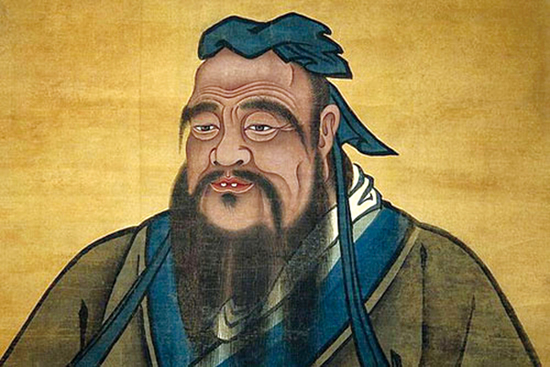
Confucius's assertion that "to know what is right and not to do it is the worst cowardice" serves as a profound reminder of the moral imperative that accompanies knowledge. It suggests that awareness of ethical truths is not enough; one must also act upon them. This quote resonates deeply in a world where the gap between knowledge and action often widens, leading to a collective moral paralysis. The stakes are high: failing to act on what we know to be right not only diminishes our integrity but also perpetuates injustice and suffering.
In a society that often prioritizes convenience over conviction, Confucius's words challenge us to reflect on our own lives. They compel us to confront the uncomfortable truth that inaction in the face of moral clarity is a form of cowardice. This notion invites us to explore the deeper implications of our choices and the courage required to align our actions with our values. The essence of this teaching is not merely about personal ethics; it extends to our responsibilities within our communities and the broader world.
The image / the metaphor
At the heart of Confucius's quote lies a vivid imagery of knowledge as a double-edged sword. The act of knowing what is right is depicted as a powerful insight, yet it becomes a burden when not acted upon. The verbs "know" and "do" create a dynamic tension between awareness and action, suggesting that true wisdom is not passive but requires engagement. The felt sense of cowardice evokes a deep emotional response, as it highlights the internal struggle between understanding and the fear of taking a stand.
Diving deeper into the metaphor, we can see that the "worst cowardice" is not merely a personal failing; it reflects a societal malaise. When individuals choose to remain silent or inactive, they contribute to a culture of complicity, where moral truths are acknowledged but ignored. This metaphor serves as a call to arms, urging us to transcend our fears and embrace the courage necessary to act in accordance with our convictions. It challenges us to consider the implications of our choices, not only for ourselves but for the world around us.
In the speaker's tradition
Confucius's teachings are deeply rooted in the tradition of Confucianism, which emphasizes the importance of ethical conduct and the cultivation of virtue. Central to this philosophy is the concept of "ren," often translated as humaneness or benevolence, which underscores the interconnectedness of individuals within society. The idea that knowing what is right entails a responsibility to act aligns with the Confucian belief in the moral duty of individuals to contribute positively to their communities. This notion resonates with similar concepts found in other spiritual traditions, such as "dharma" in Hinduism and Buddhism, which also emphasizes the importance of righteous action.
In the Analects, where this quote is found, Confucius often discusses the importance of moral integrity and the role of the individual in fostering a just society. For instance, he states, "The Master said, 'Is it not a joy to have friends come from afar? Is it not a joy to learn and practice what you have learned? Is it not a joy to be unashamed of your failures?'" (Analects 1.1). This passage highlights the value of community and the pursuit of knowledge, reinforcing the idea that true wisdom is realized through action and engagement with others.
Living the teaching
Consider a modern scenario where this teaching might resonate: a workplace where unethical practices are commonplace. An employee may recognize that certain actions taken by the company are harmful to the environment or exploitative to workers. Knowing what is right—advocating for ethical practices—requires courage, especially when it may lead to conflict or jeopardize one's job. In this context, the challenge lies in transforming knowledge into action, illustrating how the moral imperative to act can often be overshadowed by fear.
Another application of this teaching can be found in personal relationships. Imagine a situation where a friend is engaging in self-destructive behavior, such as substance abuse. Knowing that it is right to intervene and offer support is one thing; actually doing so requires vulnerability and courage. This teaching invites us to reflect on our responsibilities to those we care about, urging us to confront our fears and take action, even when it is uncomfortable. It reminds us that love and integrity often demand that we step outside our comfort zones.
A reflection
As we contemplate Confucius's profound assertion, we are left with a contemplative question: In what areas of your life do you recognize the need for action but find yourself hesitating? This inquiry invites us to explore the spaces where knowledge and action diverge, challenging us to bridge that gap with courage. By reflecting on our own experiences, we can begin to understand the deeper implications of our choices and the transformative power of aligning our actions with our values.




Join the BrightStar Community
Stay connected with daily inspiration, event announcements, and community wisdom