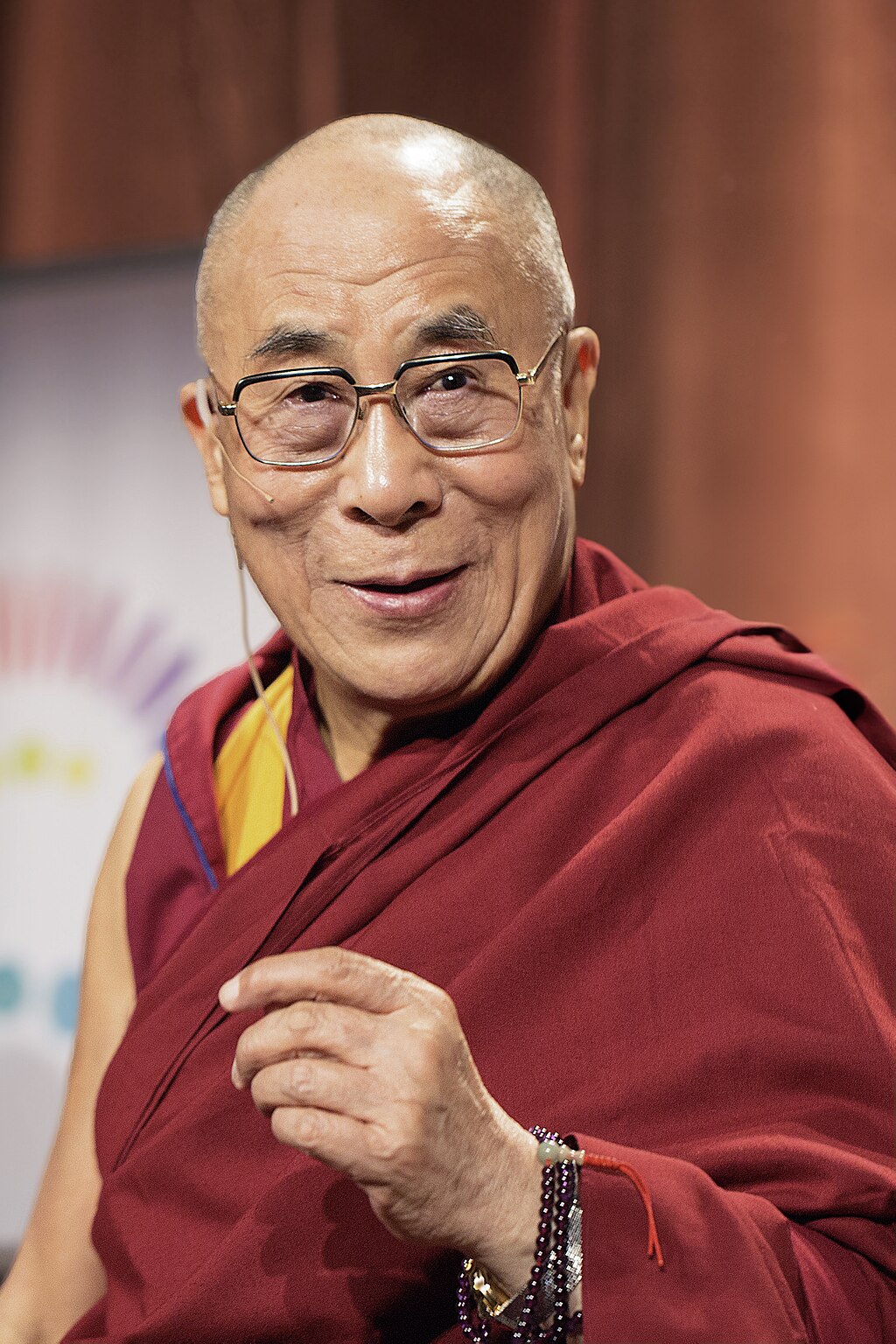
The Infinite Possibility of Kindness
In the profound words of the Dalai Lama, "Be kind whenever possible. It is always possible." This statement serves as a gentle yet powerful reminder of the inherent potential within each moment to choose kindness. In a world often fraught with conflict and division, the call to kindness becomes not just a moral imperative but a transformative practice that can reshape our interactions and, ultimately, our lives. The stakes are high; our choices ripple through the fabric of our communities, influencing not only our own well-being but also that of others.
Delving deeper, we find that kindness is not merely an act but a state of being, a lens through which we can view the world. The Dalai Lama's assertion invites us to consider the nature of our responses to life's challenges and the myriad opportunities we encounter daily. It challenges us to cultivate a mindset where kindness is not an exception but a default setting, urging us to recognize that every interaction, no matter how small, holds the potential for compassion and understanding. This perspective can lead to a profound shift in how we navigate our relationships and our own inner landscapes.
The image / the metaphor
At its core, the quote evokes a vivid image of kindness as a constant companion, always available and ready to be embraced. The verbs "be" and "possible" suggest a state of existence rather than a fleeting action. This framing invites us to envision kindness as an integral part of our identity, rather than a series of isolated gestures. The simplicity of the language belies the depth of its meaning, urging us to recognize that kindness is not contingent upon circumstances but is a choice we can make at any moment.
Moreover, the metaphor of possibility resonates deeply within the human experience. It suggests that kindness is not a scarce resource but an abundant one, always within reach. This perspective encourages us to explore the barriers we erect against kindness—fear, resentment, or indifference—and to dismantle them. By doing so, we can cultivate a more compassionate world, one interaction at a time, reinforcing the idea that kindness is not just possible; it is always within our grasp.
In the speaker's tradition
Within the rich tapestry of Tibetan Buddhism, the Dalai Lama's call to kindness aligns closely with the concept of "karuna," or compassion. This principle emphasizes the importance of empathy and the interconnectedness of all beings. In this tradition, kindness is not merely a personal virtue but a fundamental aspect of the dharma, the cosmic law that governs ethical conduct and spiritual development. By embodying kindness, we align ourselves with the greater flow of existence, fostering harmony and understanding in our relationships.
Furthermore, the notion of "sunyata," or emptiness, complements this teaching by reminding us that our perceptions of self and other are often illusory. When we recognize the interconnectedness of all beings, our capacity for kindness expands. The Tibetan Buddhist text "The Heart Sutra" articulates this profound understanding, suggesting that the realization of emptiness leads to the cultivation of compassion. In this light, the Dalai Lama's exhortation becomes a pathway to deeper spiritual insight, inviting us to transcend our ego-driven impulses and embrace a more expansive view of kindness.
Living the teaching
Consider a modern scenario where this teaching can take root: a busy commuter on a crowded train, surrounded by weary faces. In such a moment, the choice to offer a smile or a word of encouragement can transform the atmosphere, creating a ripple effect of positivity. This simple act of kindness, though seemingly small, can uplift not only the recipient but also the giver, fostering a sense of connection in an otherwise impersonal environment. It serves as a reminder that kindness can flourish even in the most mundane of circumstances, illuminating the path toward a more compassionate society.
In the context of relationships, the practice of kindness becomes even more vital. Imagine a moment of conflict with a loved one, where frustration and misunderstanding threaten to escalate. By consciously choosing to respond with kindness—listening deeply, expressing empathy, and seeking to understand rather than react—we can navigate these challenges with grace. This practice not only strengthens our bonds but also cultivates a deeper sense of trust and safety, allowing love to flourish even amidst adversity. In this way, the Dalai Lama's teaching becomes a guiding principle for living harmoniously with ourselves and others.
A reflection
As we reflect on the Dalai Lama's words, we are invited to consider: In what areas of my life can I cultivate a more consistent practice of kindness? This question encourages us to explore the nuances of our daily interactions and the choices we make. By examining our responses to both ourselves and others, we can begin to identify opportunities for kindness that may have previously gone unnoticed. Ultimately, this inquiry leads us toward a more compassionate existence, reminding us that the power to be kind is always within our reach.


Join the BrightStar Community
Stay connected with daily inspiration, event announcements, and community wisdom