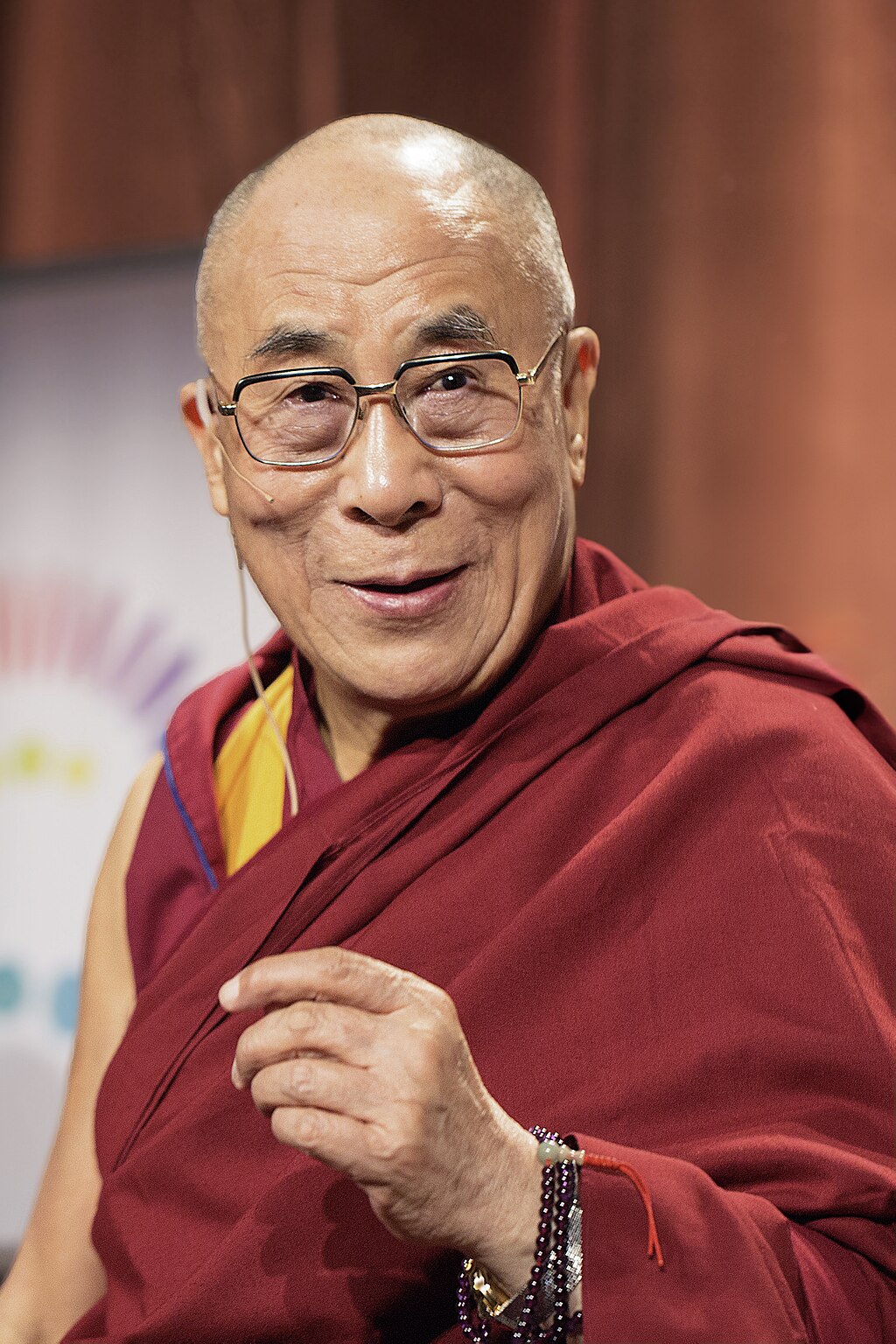
The Healing Power of Joy
In the words of the Dalai Lama, "Cultivate joy. It is medicine for the world." This profound statement invites us to consider joy not merely as a fleeting emotion but as a vital force capable of healing both ourselves and the broader world around us. In a time when despair and disconnection often dominate our collective experience, the call to cultivate joy becomes not just a personal endeavor but a communal necessity. The stakes are high; our ability to foster joy can transform our interactions, our communities, and ultimately, our world.
Delving deeper, we find that joy is not a passive state but an active practice, one that requires intention and commitment. The Dalai Lama's assertion suggests that joy is akin to a medicine, implying that it has the power to heal wounds—both seen and unseen. This perspective challenges us to rethink our approach to happiness, urging us to recognize that joy can be cultivated through our actions, thoughts, and relationships. In doing so, we not only uplift ourselves but also contribute to a more compassionate and harmonious world.
The image / the metaphor
The imagery in the quote evokes a sense of nurturing and growth. To "cultivate" joy suggests a gardener tending to a garden, carefully planting seeds, watering them, and ensuring they receive the sunlight they need to flourish. This active engagement with joy implies that it is not something that simply happens to us; rather, it is a state we can foster through our choices and attitudes. The metaphor of medicine further emphasizes the healing properties of joy, suggesting that just as we would seek out remedies for physical ailments, we should also seek out joy as a remedy for the emotional and spiritual challenges we face.
Going deeper into the metaphor, we can see that cultivating joy requires patience and resilience, much like the process of gardening. There are seasons of growth and seasons of dormancy, and both are essential for a healthy garden. Similarly, our journey toward joy may involve navigating through difficult emotions and experiences. The act of cultivating joy becomes a commitment to nurturing our inner landscape, allowing us to create a space where joy can take root and flourish, ultimately benefiting not only ourselves but also those around us.
In the speaker's tradition
Within the context of Tibetan Buddhism, the Dalai Lama's call to cultivate joy resonates deeply with the concept of "sukha," which refers to a state of happiness or bliss that arises from a mind free of afflictive emotions. This understanding of joy is intertwined with the practice of "dharma," or the teachings of the Buddha, which guide practitioners toward a path of compassion, wisdom, and ultimately, enlightenment. The cultivation of joy is seen as essential for developing a compassionate heart, which is a cornerstone of the Buddhist path.
Moreover, the notion of joy as medicine aligns with the Buddhist practice of "metta," or loving-kindness, which encourages practitioners to extend goodwill and compassion not only to themselves but also to all sentient beings. In "The Book of Joy," the Dalai Lama and Archbishop Desmond Tutu emphasize that joy is a choice and a practice, echoing the teachings found in various Buddhist texts that highlight the importance of cultivating positive states of mind. This interconnectedness of joy, compassion, and wisdom illustrates how deeply rooted this teaching is within the tradition.
Living the teaching
Consider a modern scenario where this teaching can be applied: imagine a workplace filled with stress and competition. In such an environment, the act of cultivating joy might manifest as simple gestures of kindness—a compliment to a colleague, a moment of laughter shared, or a collaborative effort to support one another. By consciously choosing to cultivate joy in this setting, individuals can create a ripple effect, transforming the atmosphere and fostering a sense of community and support. This not only enhances individual well-being but also contributes to a healthier workplace culture.
Another application of this teaching can be found in personal relationships. During challenging moments, such as conflicts with loved ones, the practice of cultivating joy can serve as a powerful tool for healing. Instead of allowing negativity to dominate the interaction, one might choose to focus on shared memories, express gratitude, or engage in light-hearted banter. By intentionally cultivating joy in these moments, we can diffuse tension and create space for understanding and connection, reinforcing the bonds that hold our relationships together.
A reflection
As we reflect on the Dalai Lama's words, we are invited to consider: How can I actively cultivate joy in my life, and what impact might that have on those around me? This question encourages us to explore the ways in which our personal practices of joy can serve as a source of healing and transformation, both for ourselves and for the world. In contemplating this, we may find that the cultivation of joy is not just a personal endeavor but a profound act of service to humanity.




Join the BrightStar Community
Stay connected with daily inspiration, event announcements, and community wisdom