The Alchemy of Happiness: Crafting Joy Through Action
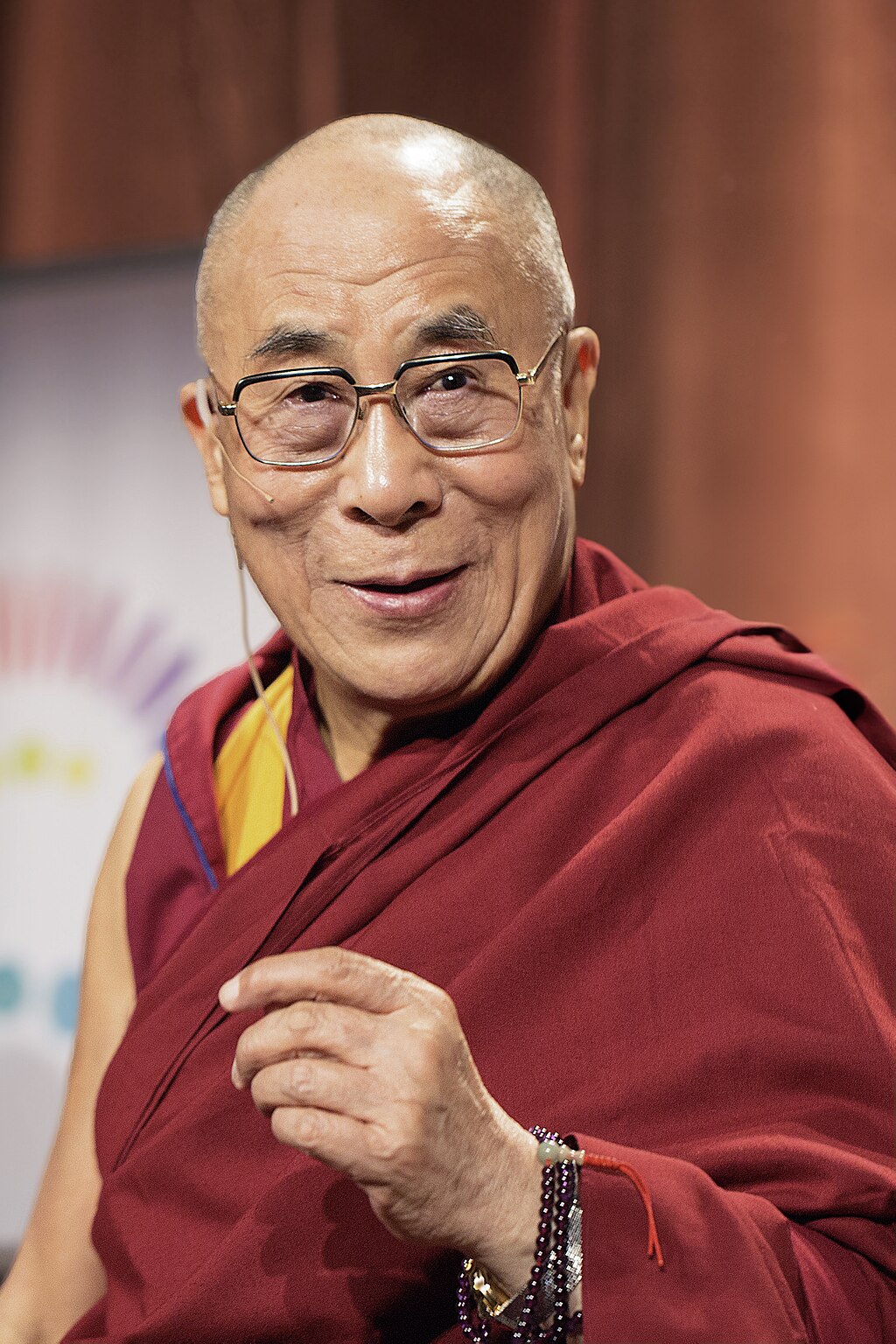
The Dalai Lama's assertion that "Happiness is not something ready made. It comes from your own actions" invites us to reconsider our understanding of happiness as a passive state. Rather than viewing happiness as a fleeting emotion bestowed upon us by external circumstances, this quote emphasizes the active role we play in cultivating our own joy. This perspective is crucial in a world often preoccupied with the pursuit of happiness through material gain or external validation, reminding us that true contentment is a product of our intentions and efforts.
Delving deeper into this notion, we find that happiness is not merely a destination but a journey shaped by our choices and actions. The Dalai Lama encourages us to take responsibility for our emotional well-being, suggesting that the seeds of happiness lie within us, waiting to be nurtured. This understanding not only empowers individuals to take charge of their lives but also fosters a sense of interconnectedness, as our actions can positively influence the happiness of others. In this light, happiness becomes a shared endeavor, cultivated through compassion, kindness, and mindful living.
The image / the metaphor
The imagery in the Dalai Lama's quote evokes a sense of agency and creativity. The phrase "not something ready made" suggests that happiness is not a commodity to be acquired but rather a tapestry woven from our daily actions and choices. The verbs "comes from" imply a dynamic process, highlighting that happiness is not static but rather an evolving state that requires our active participation. This metaphor of crafting happiness resonates deeply, as it positions us as artisans of our emotional landscape, capable of shaping our experiences through deliberate actions.
In the speaker's tradition
Within the context of Tibetan Buddhism, the Dalai Lama's teaching on happiness aligns closely with the concept of dharma, which refers to the moral and ethical duties that guide our actions. The pursuit of happiness is intricately linked to the practice of compassion and the understanding of interdependence, where our actions not only affect our own happiness but also the happiness of others. This interconnectedness is a fundamental tenet of Buddhist philosophy, emphasizing that our well-being is inextricably tied to the well-being of the collective.
Moreover, this teaching resonates with the Buddhist notion of sunyata, or emptiness, which invites us to recognize that our perceptions of happiness are often clouded by attachment and desire. By engaging in actions rooted in compassion and mindfulness, we can transcend these illusions and cultivate a deeper sense of joy that is not contingent upon external circumstances. The Tibetan Buddhist text "The Art of Happiness" serves as a guide in this journey, illustrating how our thoughts and actions can shape our emotional landscape and lead us toward a more profound sense of fulfillment.
Living the teaching
Consider a modern scenario where this teaching can be applied: a person feeling unfulfilled in their career may find themselves waiting for external validation or a promotion to feel happy. However, by embracing the Dalai Lama's wisdom, they can shift their focus to proactive steps—seeking new challenges, engaging with colleagues, or pursuing further education. In doing so, they begin to create their own happiness, realizing that fulfillment is not a distant goal but a state that can be cultivated through intentional actions.
In the realm of relationships, this teaching can manifest in the way we approach our interactions with loved ones. Instead of waiting for affection or appreciation to be expressed, we can take the initiative to show kindness, understanding, and support. By actively contributing to the emotional well-being of those around us, we not only enhance our own happiness but also create a nurturing environment that fosters joy and connection. This reciprocal nature of happiness underscores the importance of our actions in shaping not only our lives but also the lives of others.
A reflection
As we contemplate the Dalai Lama's profound insight, we are invited to reflect on our own lives: What actions can we take today to cultivate a deeper sense of happiness? This question encourages us to examine our daily choices and consider how they align with our intentions for joy and fulfillment. In recognizing that happiness is a product of our actions, we empower ourselves to become active participants in our emotional journey, shaping our experiences with mindfulness and compassion.


Join the BrightStar Community
Stay connected with daily inspiration, event announcements, and community wisdom