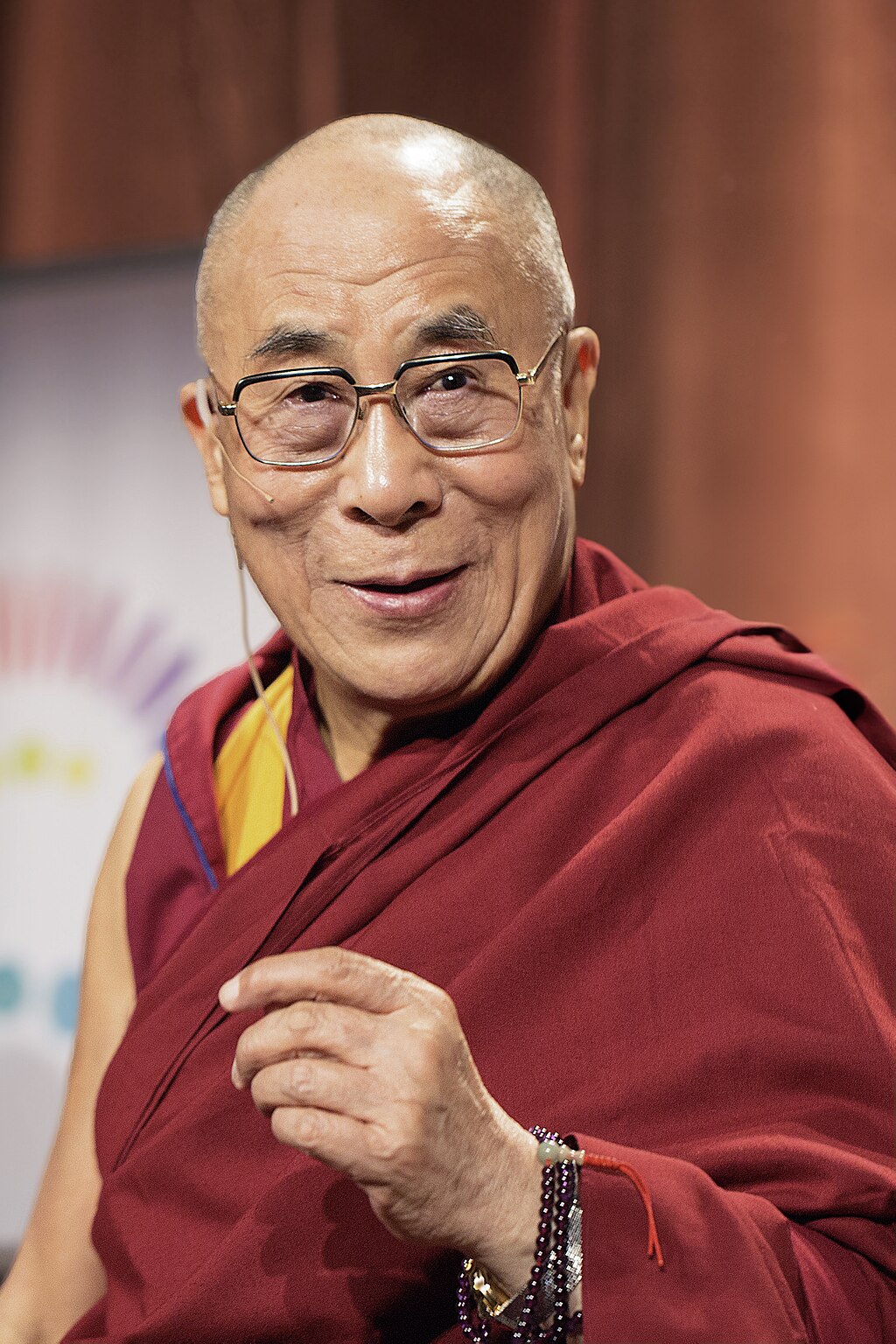
Charting Your Unique Path: The Wisdom of Authentic Living
The Dalai Lama's assertion that "It is necessary to develop your own way of going about life" invites us to embrace the profound journey of self-discovery and authenticity. In a world often dominated by external expectations and societal norms, this call to cultivate our individual paths becomes not just a personal endeavor but a spiritual imperative. The stakes are high: to live authentically is to align with our true selves, to experience life fully, and to contribute meaningfully to the tapestry of existence.
This quote resonates deeply within the context of Tibetan Buddhism, where the journey of life is viewed as a path of awakening. The Dalai Lama emphasizes the importance of personal agency in navigating this journey, suggesting that each individual's experience is unique and worthy of exploration. By developing our own way, we not only honor our individuality but also engage with the universal truths that bind us all, fostering a sense of connection and compassion along the way.
The image / the metaphor
The imagery in the Dalai Lama's quote evokes a sense of movement and direction, suggesting that life is not a static experience but a dynamic journey. The phrase "develop your own way" implies an active engagement with life, where one must forge a path that resonates with personal values and insights. The verbs chosen—"develop" and "go about"—convey a sense of agency and intention, inviting us to take responsibility for our choices and actions.
In the speaker's tradition
Within the framework of Tibetan Buddhism, the notion of developing one's own path aligns closely with the concept of dharma, which refers to the moral and ethical duties that guide an individual's life. The Dalai Lama's teaching encourages us to explore our personal dharma, recognizing that each person's journey is distinct and shaped by their experiences, insights, and aspirations. This exploration is not merely a personal endeavor; it is a spiritual practice that fosters compassion and understanding towards others as we recognize the diversity of paths in the human experience.
Moreover, this teaching resonates with the Buddhist principle of sunyata, or emptiness, which emphasizes the fluidity of identity and the interconnectedness of all beings. By developing our own way, we acknowledge that our paths are not fixed but rather shaped by our choices and interactions. This understanding invites us to cultivate a sense of openness and flexibility, allowing us to adapt and grow as we navigate the complexities of life.
Living the teaching
Consider a modern scenario where this teaching finds relevance: the pursuit of a career. In a society that often pressures individuals to conform to predefined paths—whether in academia, corporate environments, or creative fields—many find themselves at a crossroads. The Dalai Lama's wisdom encourages individuals to reflect on their passions, values, and unique talents, urging them to carve out a professional path that resonates with their authentic selves rather than merely following societal expectations.
This teaching can also be applied in the realm of relationships. In moments of conflict or misunderstanding, we may feel compelled to adhere to conventional responses or societal norms. However, the invitation to develop our own way encourages us to approach these situations with authenticity and vulnerability. By expressing our true feelings and needs, we foster deeper connections and understanding, ultimately enriching our relationships and promoting a culture of openness and compassion.
A reflection
As we contemplate the Dalai Lama's call to develop our own way of going about life, we are invited to reflect on our personal journeys. What unique experiences, values, and insights shape your path? In what ways can you honor your individuality while remaining connected to the broader human experience? This contemplation not only deepens our understanding of ourselves but also enriches our interactions with others, fostering a sense of shared humanity.




Join the BrightStar Community
Stay connected with daily inspiration, event announcements, and community wisdom