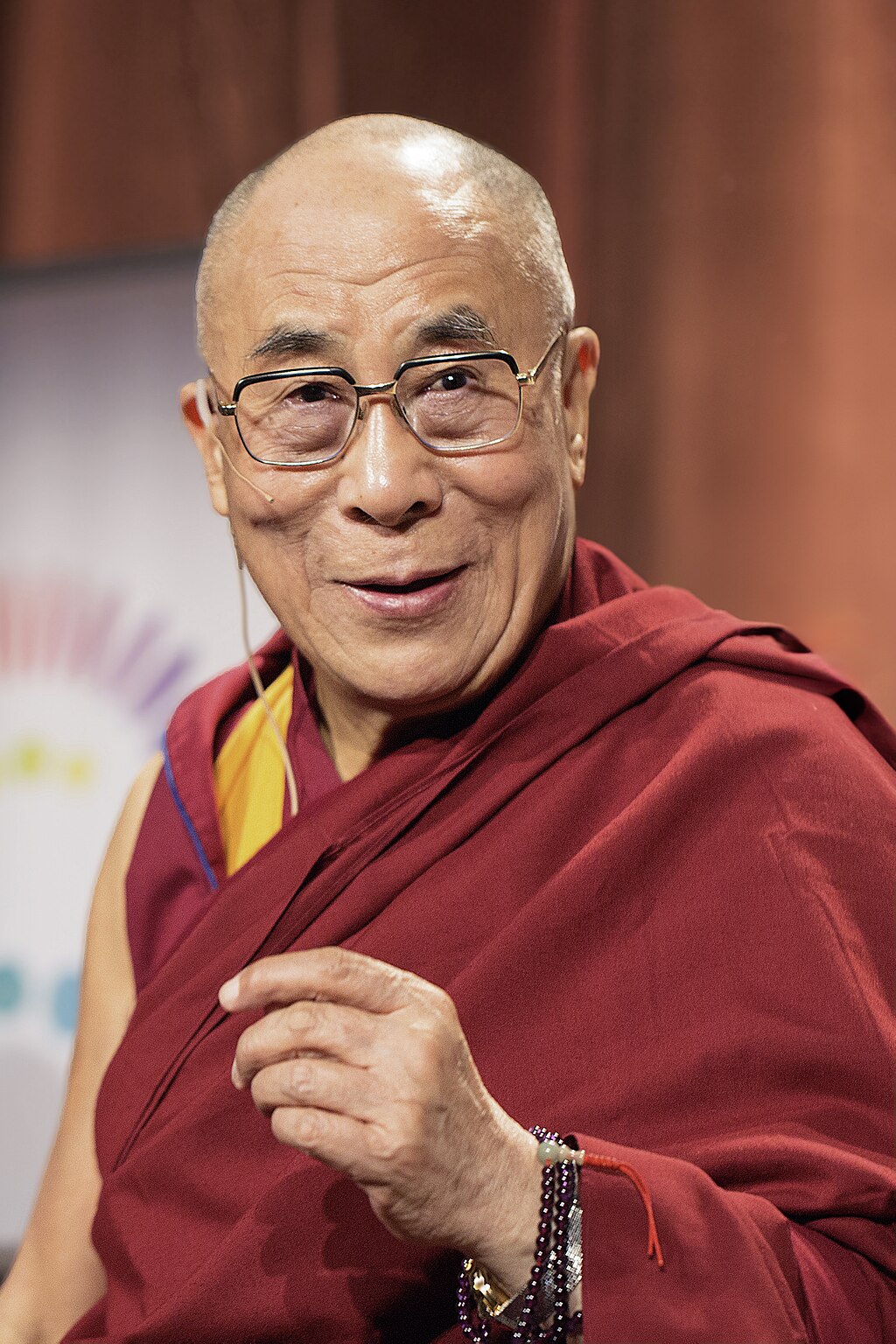
The Innocence of Forgiveness: Lessons from Childhood
In the words of the Dalai Lama, "Look at children. Of course they may quarrel, but generally they do not harbor ill feelings as much or as long as adults do." This observation invites us to reflect on the nature of forgiveness and the simplicity with which children navigate their emotional landscapes. The stakes of this insight are profound; in a world often marred by grudges and prolonged resentments, the ability to forgive and move on is not merely a personal virtue but a societal necessity. Understanding how children embody this quality can illuminate pathways for adults seeking to cultivate a more forgiving heart.
As we delve deeper into this quote, we recognize that it speaks to a fundamental aspect of human nature. Children, in their innocence, engage in conflicts that are often fleeting, resolved with a hug or a shared laugh. They possess an innate ability to let go of grievances, a quality that seems to diminish with age. This observation not only highlights the contrast between the emotional resilience of children and the often burdensome emotional baggage carried by adults but also serves as a reminder of the potential for renewal and healing that exists within us all. The Dalai Lama's words challenge us to reclaim this childlike capacity for forgiveness, urging us to examine the barriers we erect that prevent us from experiencing peace.
The image / the metaphor
The imagery in the Dalai Lama's quote evokes a vivid picture of children at play, their interactions marked by spontaneity and a lack of malice. The verbs "quarrel" and "harbor" carry significant weight; while quarrels are temporary and often trivial, harboring ill feelings suggests a deep-seated emotional burden that can fester over time. This contrast between the transient nature of childhood disputes and the enduring nature of adult grievances serves as a poignant metaphor for the emotional landscapes we navigate. It invites us to consider how we might lighten our emotional load by adopting a more childlike approach to conflict resolution.
Diving deeper into this metaphor, we can see that children embody a natural state of being that is unencumbered by the complexities of adult life. Their ability to forgive quickly and move on reflects a purity of spirit that is often overshadowed by the layers of experience and expectation that adults accumulate. This metaphor extends beyond mere behavior; it speaks to a fundamental truth about the human condition. In our quest for maturity, we often lose sight of the simplicity and clarity that children possess, leading us to complicate our relationships and emotional responses unnecessarily.
In the speaker's tradition
Within the context of Tibetan Buddhism, the Dalai Lama's insights resonate deeply with the concepts of *shunyata* (emptiness) and *karuna* (compassion). The notion of emptiness encourages us to recognize that our attachments to grievances are often rooted in a misunderstanding of the self and others. By embracing the idea that our emotions are transient and that we are interconnected, we can cultivate a sense of compassion that allows for forgiveness. This perspective aligns with the teachings of the Buddha, who emphasized the importance of letting go of attachments to achieve liberation from suffering.
A relevant text that echoes this sentiment is the *Bodhicaryavatara* by Shantideva, which speaks to the importance of cultivating a compassionate heart. In this text, the author encourages practitioners to view all beings as deserving of love and forgiveness, regardless of their actions. This aligns with the Dalai Lama's observation about children; just as children are quick to forgive, so too can we learn to embrace a more compassionate approach to our relationships, recognizing that holding onto anger only perpetuates our own suffering.
Living the teaching
Consider a modern scenario where this teaching might resonate: a workplace conflict arises between colleagues over a miscommunication. Instead of allowing the situation to fester, imagine if both parties approached the disagreement with the openness and willingness to forgive that children exhibit. By addressing the issue directly and with a spirit of understanding, they could resolve their differences swiftly, allowing for a more harmonious working environment. This example illustrates how adopting a childlike perspective on conflict can lead to healthier relationships and a more positive atmosphere.
In a different context, think about a personal relationship that has been strained by past grievances. Often, we cling to our hurt feelings, allowing them to define our interactions. By consciously choosing to forgive—drawing inspiration from the Dalai Lama's observation—we can begin to heal the rift. This might involve having an open conversation, expressing vulnerability, and ultimately choosing to let go of past hurts. Such practices not only enrich our relationships but also contribute to our own emotional well-being, fostering a sense of peace that echoes the innocence of childhood.
A reflection
As we contemplate the Dalai Lama's words, we are invited to ask ourselves: What would it look like to approach our conflicts with the same lightness and openness as a child? This question encourages us to reflect on our own emotional responses and the ways in which we might be holding onto grievances that no longer serve us. By embracing the spirit of forgiveness that children exemplify, we can begin to transform our relationships and, ultimately, our lives.


Join the BrightStar Community
Stay connected with daily inspiration, event announcements, and community wisdom