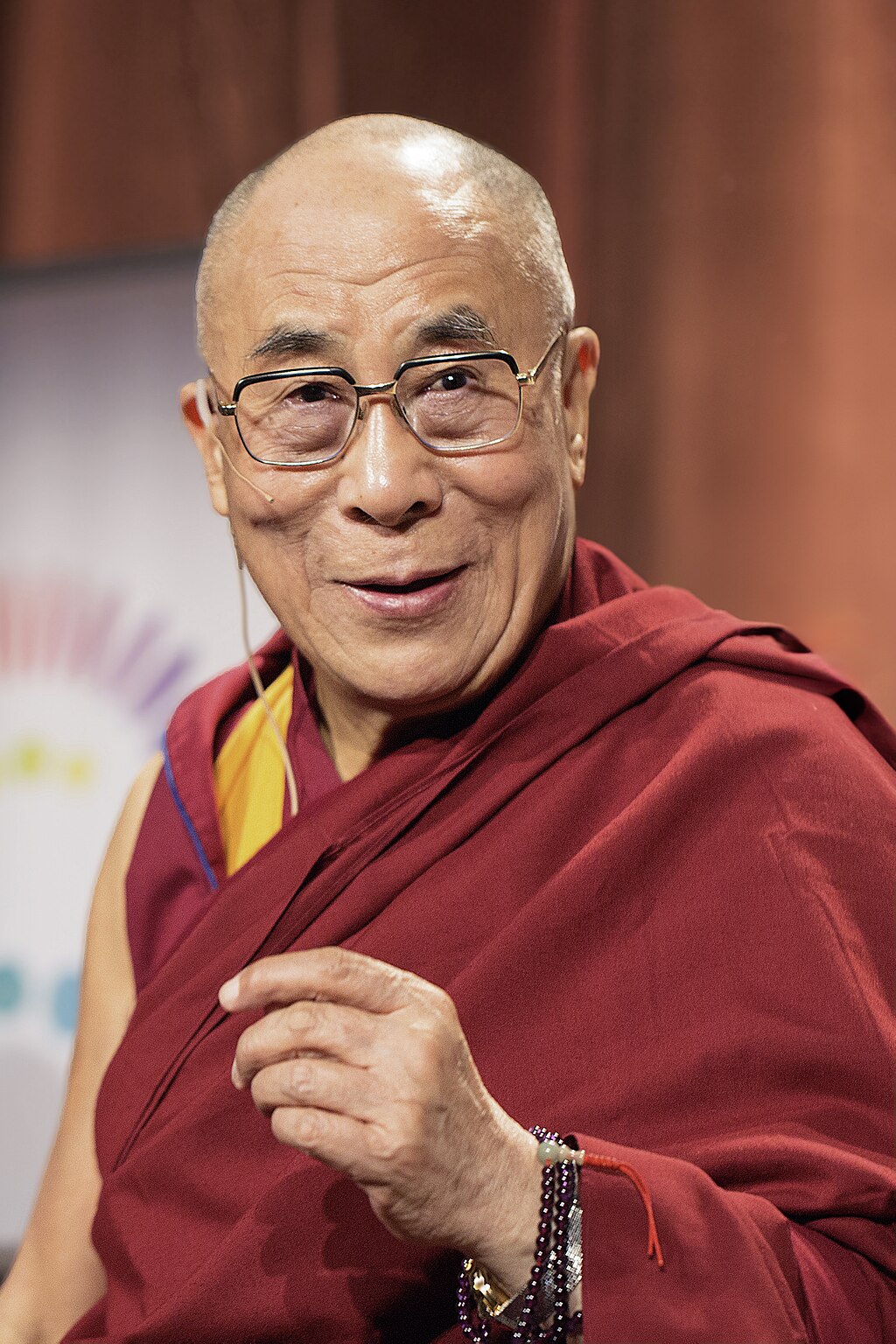
The Gentle Power of Truthful Speech
In the words of the Dalai Lama, "Speak gently. Speak truthfully. Speak with love." This simple yet profound directive encapsulates a way of being that resonates deeply within the human experience. It invites us to consider the impact of our words, not only on others but also on ourselves. In a world often fraught with division and misunderstanding, the call to speak with gentleness, truth, and love becomes a vital practice for fostering connection and healing.
To speak gently is to approach communication with a softness that acknowledges the vulnerability inherent in human interaction. It is a reminder that our words carry weight and can either uplift or harm. When we combine gentleness with truthfulness, we create a space where authenticity can flourish, allowing for deeper understanding and compassion. This triad of qualities—gentleness, truth, and love—serves as a guiding principle for our interactions, urging us to cultivate a dialogue that nurtures rather than diminishes the spirit.
The image / the metaphor
The imagery in the Dalai Lama's quote evokes a sense of tenderness and care. The verbs "speak gently," "speak truthfully," and "speak with love" suggest a deliberate choice in how we communicate. Each action is an invitation to engage with others in a way that prioritizes their well-being and our shared humanity. The act of speaking becomes a sacred practice, where the intention behind our words is as important as the words themselves.
Diving deeper into the metaphor, we can see that speaking gently is not merely about tone; it is about the heart from which our words flow. When we speak with love, we transcend mere communication and enter into a realm of connection that honors the essence of those we engage with. This approach transforms speech into a form of art, where each word is chosen with care, reflecting a commitment to kindness and understanding.
In the speaker's tradition
Within the context of Tibetan Buddhism, the Dalai Lama's exhortation resonates with core concepts such as *dharma* and *prajna*. *Dharma*, often translated as "truth" or "cosmic law," emphasizes the importance of aligning our speech and actions with the fundamental truths of existence. *Prajna*, or wisdom, encourages us to discern the deeper realities of our interactions, guiding us to speak in ways that reflect insight and compassion. Together, these principles underscore the significance of mindful communication as a path toward enlightenment.
In his work "Ethics for the New Millennium," the Dalai Lama draws upon the teachings of the Buddha, who emphasized the importance of right speech as part of the Noble Eightfold Path. This path serves as a framework for ethical living, where speech is not merely a tool for expression but a means of cultivating harmony and understanding. The Buddha's teachings remind us that our words can either lead us toward liberation or entrap us in cycles of suffering, making the practice of gentle, truthful, and loving speech essential for spiritual growth.
Living the teaching
Consider a modern scenario where this teaching could be applied: a heated discussion at work where differing opinions clash. In such moments, the temptation to speak harshly or dismissively can be strong. However, if we approach the conversation with gentleness, truthfulness, and love, we create an opportunity for collaboration rather than conflict. By choosing our words carefully and expressing our thoughts with kindness, we can foster an environment where all voices are heard and respected, ultimately leading to more productive outcomes.
Another application of this teaching can be found in personal relationships, particularly during difficult moments. Imagine a situation where a loved one is struggling and expresses feelings of inadequacy. Instead of responding with platitudes or criticism, speaking gently and truthfully can provide the support they need. By acknowledging their feelings and offering words of love and encouragement, we not only strengthen our bond but also help them navigate their challenges with grace and resilience. This practice of mindful communication can transform our relationships into spaces of healing and growth.
A reflection
As we contemplate the Dalai Lama's words, we might ask ourselves: How can I embody gentleness, truth, and love in my speech today? This question invites us to reflect on our interactions and consider the impact of our words on those around us. By embracing this inquiry, we open ourselves to the possibility of transformation, both within ourselves and in our relationships with others.




Join the BrightStar Community
Stay connected with daily inspiration, event announcements, and community wisdom