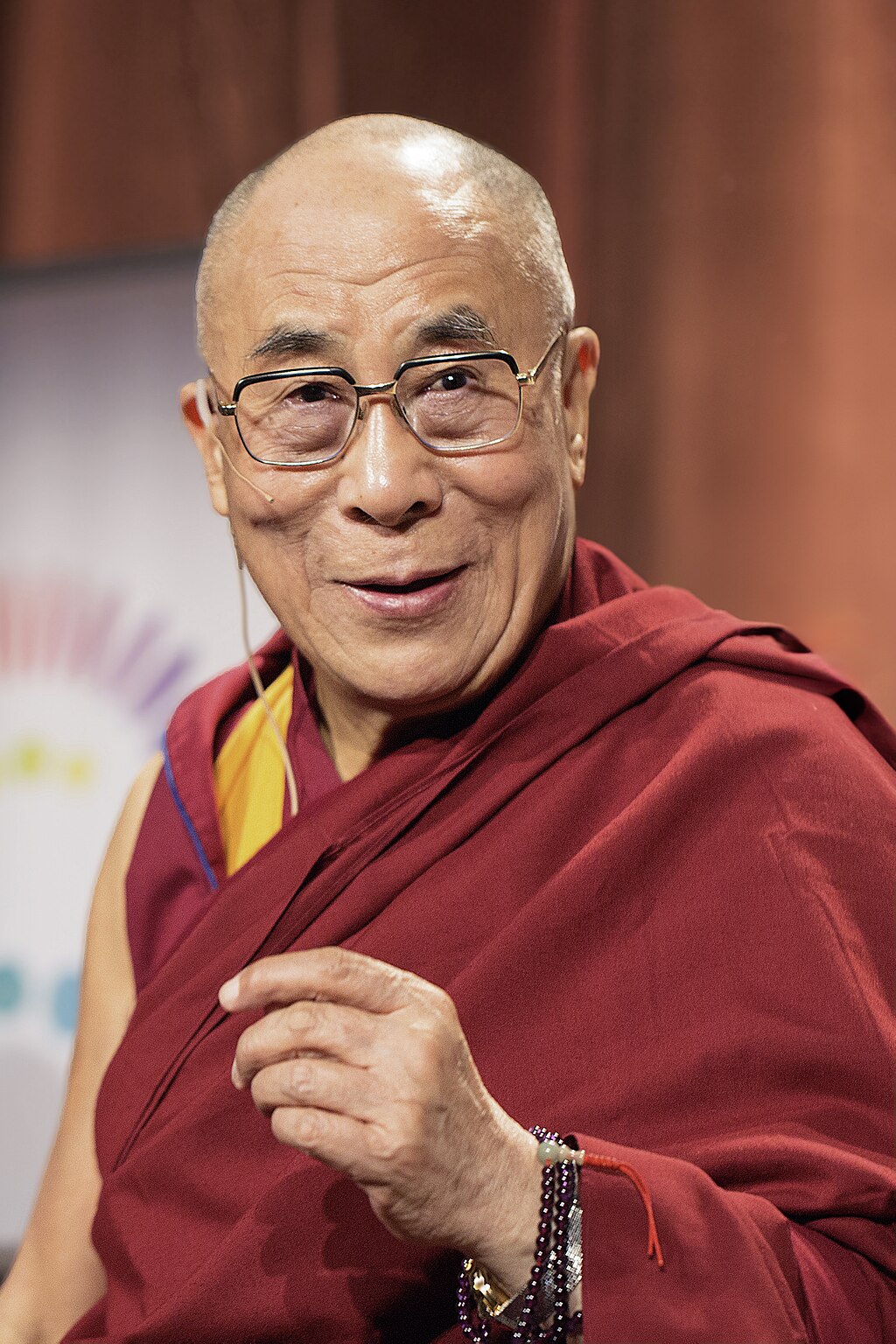
The Paradox of Abundance: Time and Wealth in Modern Life
In the words of the Dalai Lama, "The Western lifestyle is rich in things, but poor in time." This poignant observation invites us to reflect on the paradox of contemporary existence, where material wealth often overshadows the more elusive treasure of time. In a world driven by consumption and productivity, we may find ourselves surrounded by possessions yet feeling a profound emptiness in our schedules and relationships. This dichotomy raises essential questions about the true nature of wealth and the value we place on our most finite resource: time.
As we delve deeper into this quote, we uncover layers of meaning that resonate with the human experience. The Dalai Lama's insight serves as a reminder that while we may accumulate material goods, the relentless pace of modern life can lead to a scarcity of meaningful moments. This scarcity not only affects our personal well-being but also impacts our relationships and our ability to connect with others. In recognizing this imbalance, we are called to reassess our priorities and consider how we might cultivate a richer, more fulfilling existence that honors both our time and our connections.
The image / the metaphor
The imagery in the Dalai Lama's quote evokes a striking contrast between abundance and deprivation. The phrase "rich in things" conjures visions of overflowing shopping carts, luxurious homes, and the latest technological gadgets, all symbols of a consumer-driven society. In stark contrast, the term "poor in time" paints a picture of hurried lives, filled calendars, and a pervasive sense of urgency that leaves little room for reflection or connection. This juxtaposition invites us to examine the ways in which our pursuit of material wealth can lead to a profound disconnection from the present moment.
Diving deeper into the metaphor, we can see that the Dalai Lama is not merely critiquing a lifestyle but rather illuminating a fundamental truth about human existence. Time, unlike material possessions, cannot be hoarded or stored; it is a flowing river that demands our presence and engagement. The richness of life is not found in the accumulation of things but in the quality of our experiences and the depth of our relationships. This understanding challenges us to shift our focus from external markers of success to the internal richness that comes from being fully present in our lives.
In the speaker's tradition
Within the framework of Tibetan Buddhism, the Dalai Lama's observation resonates deeply with core concepts such as *sunyata* (emptiness) and *dharma* (the teachings that guide us). The notion of *sunyata* invites us to recognize that our attachment to material possessions is ultimately illusory, as true fulfillment arises from understanding the impermanence of all things. In this light, the Dalai Lama's words serve as a call to cultivate a deeper awareness of our time and how we choose to spend it, aligning our actions with the principles of compassion and mindfulness that lie at the heart of the *dharma*.
Moreover, the teachings found in texts such as the *Bodhicaryavatara* by Shantideva emphasize the importance of using our time wisely to cultivate virtues that benefit ourselves and others. The text encourages practitioners to engage in acts of kindness and to develop a compassionate heart, reminding us that the true wealth of life is measured not by what we possess but by how we relate to the world around us. In this context, the Dalai Lama's quote serves as a poignant reminder to prioritize our time in ways that foster connection and compassion.
Living the teaching
Consider a modern scenario where the Dalai Lama's teaching becomes particularly relevant: the daily grind of a busy professional. Many individuals find themselves caught in a cycle of work, meetings, and deadlines, often sacrificing personal time for the sake of productivity. In this context, the realization that one is "rich in things" but "poor in time" can serve as a wake-up call. By consciously carving out time for self-care, family, and meaningful pursuits, one can begin to shift the balance toward a more fulfilling life that honors both personal well-being and professional responsibilities.
Another application of this teaching can be found in the realm of relationships. Imagine a moment of conflict with a loved one, where the pressures of life have led to misunderstandings and emotional distance. The Dalai Lama's insight encourages us to pause and reflect on how we allocate our time and energy. By choosing to invest time in open communication, empathy, and shared experiences, we can transform our relationships from mere transactions into deep connections that enrich our lives. This practice of mindfulness in our interactions not only honors our loved ones but also cultivates a sense of abundance that transcends material wealth.
A reflection
As we contemplate the Dalai Lama's profound observation, we are invited to consider a contemplative question: How do I currently allocate my time, and what changes can I make to cultivate a richer, more meaningful existence? This inquiry encourages us to reflect on our daily choices and the values that guide them. By examining our relationship with time, we can begin to align our actions with our deepest aspirations, ultimately leading to a life that is not only rich in experiences but also deeply fulfilling.


Join the BrightStar Community
Stay connected with daily inspiration, event announcements, and community wisdom