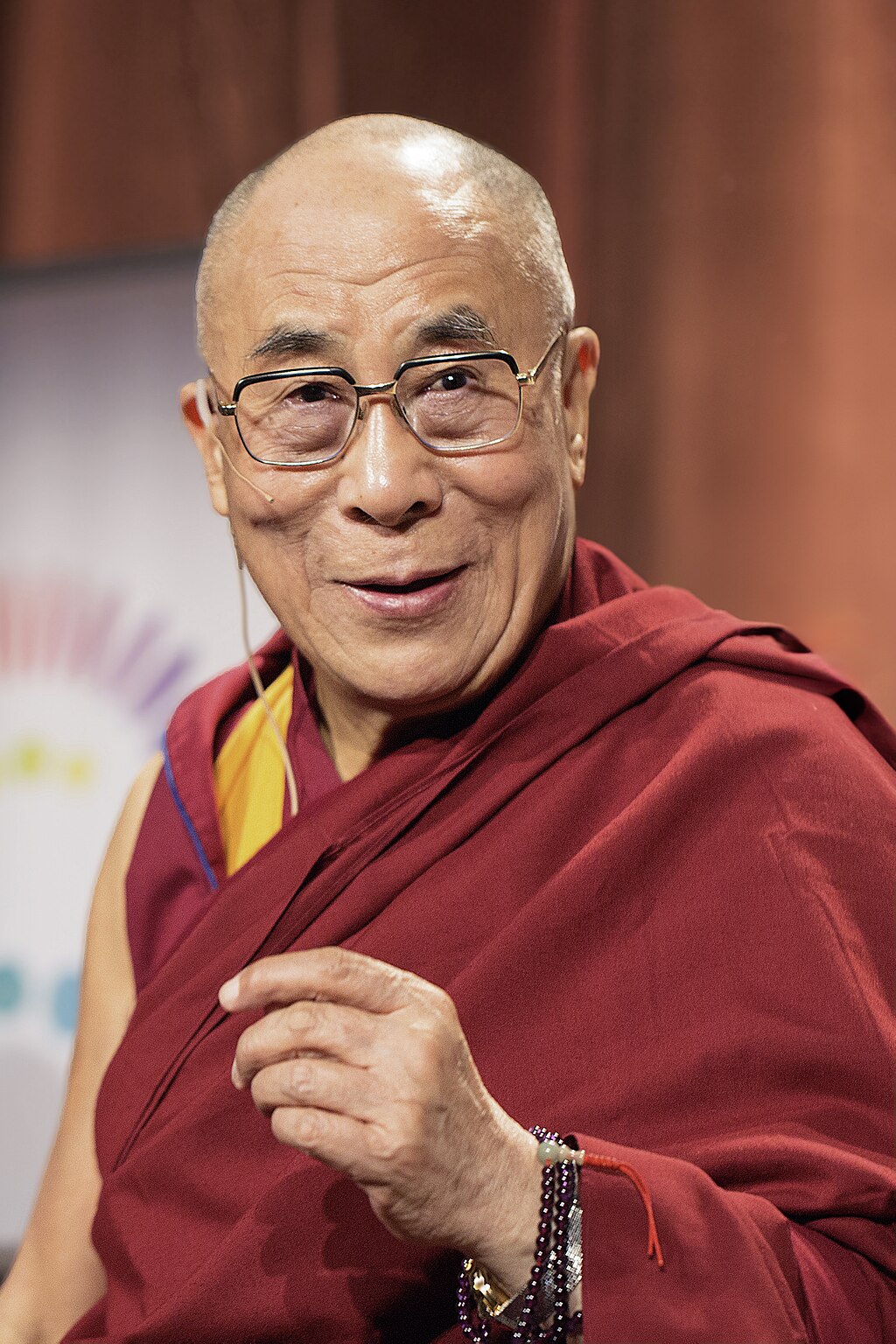
The Gift of Now: Embracing the Present Moment
In the words of the Dalai Lama, we are reminded that the only moments we truly possess are those that unfold in the present. Yesterday is a realm of memories, and tomorrow is a landscape of hopes and fears, but today is the canvas upon which we can paint our actions, love, and beliefs. This poignant reflection invites us to recognize the urgency and beauty of the present, urging us to engage fully with life as it is, rather than as it was or might be. The stakes are high; in our fast-paced world, we often overlook the profound significance of the now, losing ourselves in the distractions of past regrets and future anxieties.
Delving deeper, the Dalai Lama's quote serves as a gentle yet powerful nudge to awaken our awareness. It challenges us to confront the habitual tendencies that pull us away from the present moment. By emphasizing action—loving, believing, doing, and living—he encourages us to cultivate a sense of agency and responsibility in our lives. This call to presence is not merely a philosophical musing; it is a practical guide to experiencing life in its fullness, where each moment is an opportunity for connection and growth.
The image / the metaphor
The imagery in the Dalai Lama's quote is strikingly vivid. The juxtaposition of "yesterday" and "tomorrow" against the vibrant immediacy of "today" creates a clear delineation between what is lost and what is available. The verbs chosen—love, believe, do, and live—are active and dynamic, suggesting that the present is not a passive state but a fertile ground for meaningful engagement. This felt sense of urgency and possibility invites us to step into our lives with intention, reminding us that each day is a unique opportunity to shape our reality.
Going deeper into the metaphor, we can see that the notion of "today" embodies the essence of mindfulness, a core principle in Tibetan Buddhism. It encourages us to cultivate awareness of our thoughts, feelings, and actions in the present moment. By recognizing that the past is immutable and the future uncertain, we are liberated to fully inhabit the now. This metaphorical landscape of the present becomes a sanctuary where we can nurture our aspirations and relationships, free from the burdens of what has been or what might come.
In the speaker's tradition
Within the context of Tibetan Buddhism, the Dalai Lama's teaching resonates deeply with the concept of dharma, which emphasizes the importance of living in accordance with the truth of our existence. The practice of mindfulness, or awareness of the present moment, is a vital aspect of this tradition, encouraging practitioners to engage with life as it unfolds. This teaching also aligns with the idea of sunyata, or emptiness, which invites us to release our attachments to past and future, allowing us to experience the fullness of the present without the weight of expectation.
A relevant text that echoes this sentiment is the Heart Sutra, which articulates the notion that form is emptiness and emptiness is form. This paradoxical understanding encourages us to see that our experiences are not fixed but fluid, shaped by our perceptions and actions in the moment. By embracing the present, we can cultivate a deeper understanding of our interconnectedness and the impermanence of life, leading to a more compassionate and engaged way of being.
Living the teaching
Consider a modern scenario where this teaching can take root: a busy professional who often finds themselves overwhelmed by deadlines and responsibilities. In this context, the Dalai Lama's words serve as a reminder to pause and reconnect with the present moment. Instead of ruminating on past mistakes or worrying about future tasks, they can choose to focus on the task at hand, infusing it with intention and care. This shift in perspective not only enhances productivity but also fosters a sense of fulfillment and joy in their work.
Another application of this teaching can be found in personal relationships. Imagine a couple who frequently argue about past grievances or future uncertainties. By embracing the Dalai Lama's wisdom, they can choose to engage with one another in the present, listening deeply and responding with love and understanding. This practice of presence can transform their interactions, allowing them to build a stronger, more resilient bond that is rooted in the here and now, rather than in the shadows of yesterday or the anxieties of tomorrow.
A reflection
As we contemplate the Dalai Lama's profound insight, we are invited to ask ourselves: How can I cultivate a deeper awareness of the present moment in my daily life? This question encourages us to reflect on the ways we might be holding onto the past or projecting into the future, and to consider the transformative power of embracing the now. By engaging with this inquiry, we open ourselves to the possibility of living more fully, loving more deeply, and experiencing life with a renewed sense of purpose and clarity.


Join the BrightStar Community
Stay connected with daily inspiration, event announcements, and community wisdom