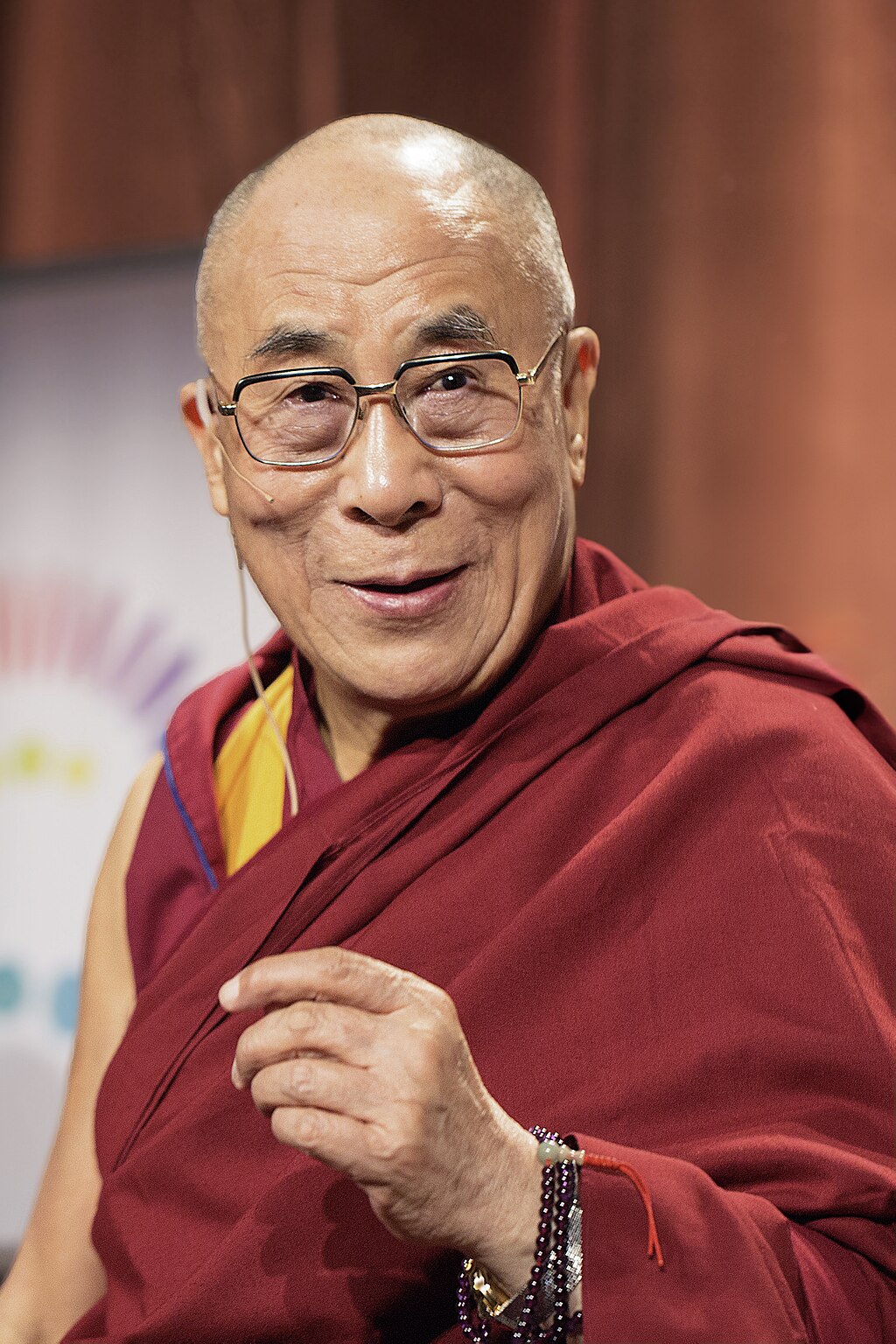
The Embrace of Love: A Sanctuary from Fear
In the profound words of the Dalai Lama, "Where there is love, there is no fear." This statement invites us to explore the intricate relationship between love and fear, suggesting that the presence of genuine love creates a space where fear cannot thrive. In a world often overshadowed by anxiety and uncertainty, understanding this dynamic becomes essential for our emotional and spiritual well-being. The stakes are high; to cultivate love is to foster a sanctuary that shields us from the debilitating effects of fear.
Delving deeper, we recognize that love is not merely an emotion but a transformative force that shapes our perceptions and interactions. It acts as a balm for the soul, soothing the wounds inflicted by fear and insecurity. The Dalai Lama's assertion encourages us to reflect on the nature of our relationships and the environments we create. Are we nurturing love in our lives, or are we allowing fear to dictate our actions and thoughts? This inquiry is vital, as it leads us toward a more profound understanding of our capacity for love and the liberation it offers.
The image / the metaphor
At first glance, the quote presents a stark dichotomy: love versus fear. The imagery conjured by the words evokes a sense of warmth and safety associated with love, contrasting sharply with the cold, isolating grip of fear. The verbs "is" and "there" suggest a state of being, implying that love is not just an action but a fundamental aspect of existence. When love is present, fear dissipates, creating an atmosphere where vulnerability can flourish without the threat of judgment or harm.
Going deeper into the metaphor, we can envision love as a radiant light that illuminates the darkest corners of our psyche. Fear, in this context, becomes a shadow that retreats in the presence of love's brilliance. This interplay suggests that love has the power to transform our inner landscapes, allowing us to confront our fears with courage and compassion. The metaphor extends beyond personal relationships, inviting us to consider how love can permeate our communities and the world at large, fostering environments where fear is diminished and understanding prevails.
In the speaker's tradition
Within the framework of Tibetan Buddhism, the Dalai Lama's statement resonates with core concepts such as compassion (karuna) and interconnectedness (tendrel). Love, in this tradition, is not merely an emotion but a profound understanding of our shared humanity. The practice of cultivating love aligns with the Buddhist path of dharma, which emphasizes the importance of compassion as a means to alleviate suffering. In this light, fear can be seen as a manifestation of ignorance, a lack of awareness of our interconnectedness and the inherent goodness within ourselves and others.
Furthermore, the notion of sunyata, or emptiness, plays a crucial role in understanding the absence of fear in the presence of love. When we recognize that our fears are often rooted in attachment and misunderstanding, we can begin to dissolve them through the lens of love and compassion. A relevant text that echoes this sentiment is the "Bodhicaryavatara" by Shantideva, which teaches that cultivating love and compassion is essential for overcoming the obstacles of fear and ignorance. This text serves as a guide for practitioners seeking to embody the Dalai Lama's wisdom in their daily lives.
Living the teaching
Consider a modern scenario where this teaching can be applied: a workplace filled with competition and stress. In such an environment, fear often manifests as anxiety about performance and judgment from peers. However, when individuals choose to approach their colleagues with love—offering support, encouragement, and understanding—the atmosphere shifts. Fear diminishes as collaboration and trust take root, illustrating the transformative power of love in a setting that could easily succumb to fear and rivalry.
Another poignant application of this teaching can be found in personal relationships, particularly during times of conflict. Imagine a couple facing a disagreement, where fear of rejection or misunderstanding threatens to escalate tensions. By consciously choosing to respond with love—listening deeply, expressing empathy, and seeking common ground—the couple can navigate their differences without allowing fear to dictate their actions. This practice not only strengthens their bond but also cultivates a deeper understanding of each other, reinforcing the idea that love can indeed dispel fear.
A reflection
As we contemplate the Dalai Lama's assertion, we are invited to consider the spaces in our lives where love and fear coexist. What fears arise in the absence of love, and how might we cultivate a deeper sense of love to transform those fears? This inquiry encourages us to reflect on our relationships, our communities, and our inner worlds, prompting us to ask: How can I embody love in my life today, and in doing so, create a sanctuary where fear cannot thrive?


Join the BrightStar Community
Stay connected with daily inspiration, event announcements, and community wisdom