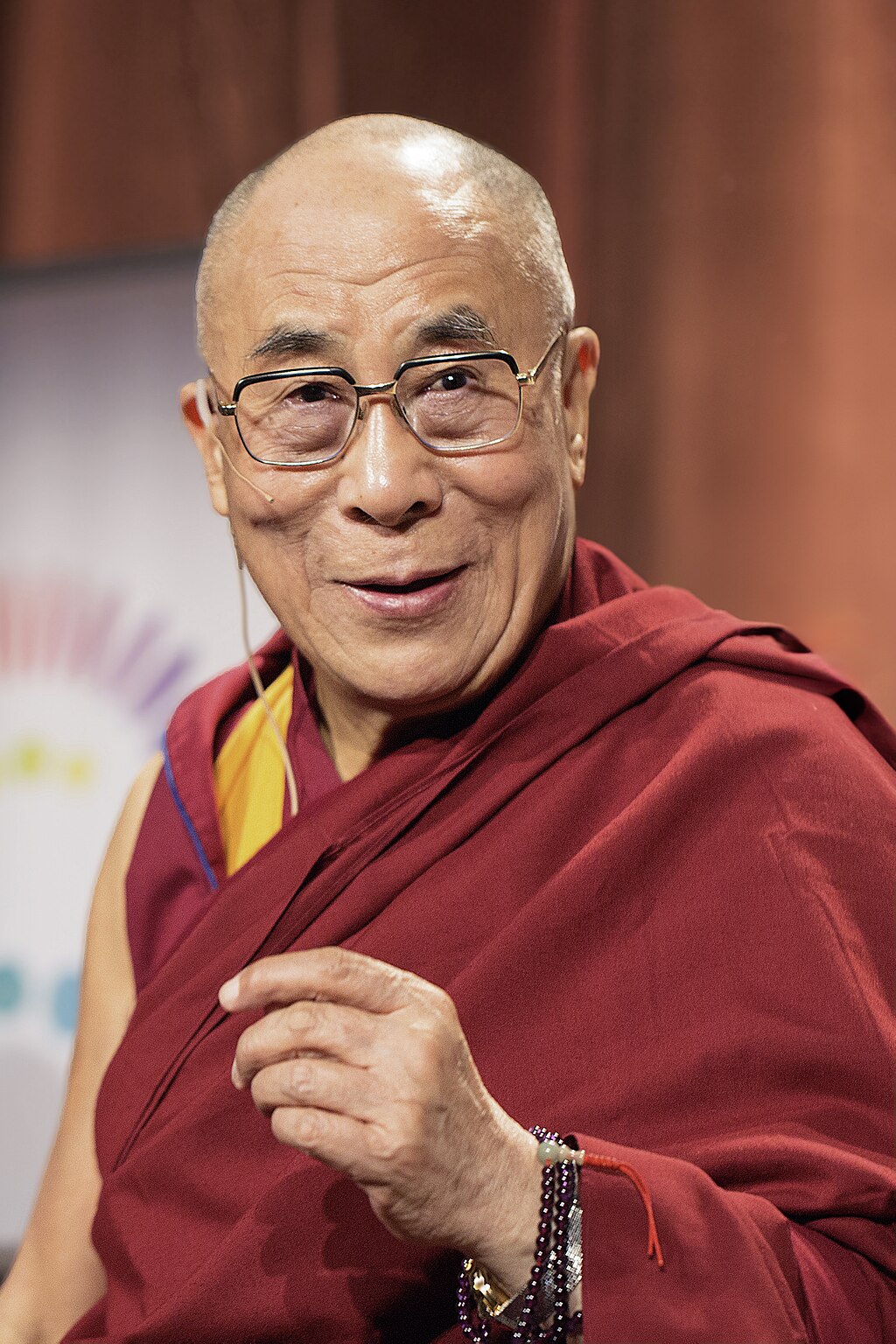
The Universal Language of Kindness
In the words of the Dalai Lama, "Whether one believes in a religion or not, and whether one believes in rebirth or not, there isn't anyone who doesn't appreciate kindness and compassion." This statement transcends the boundaries of faith and belief systems, suggesting that kindness is a universal language that resonates with all human beings. The essence of this quote invites us to reflect on the fundamental human experience of compassion, urging us to recognize its importance in our lives and the world around us.
At its core, this assertion speaks to the innate human capacity for empathy and connection. Regardless of our differing beliefs, the appreciation for kindness and compassion serves as a common thread that binds us together. In a world often marked by division and conflict, the Dalai Lama's words remind us of the profound impact that simple acts of kindness can have, not only on individual lives but also on the collective human experience. This call to embrace compassion is not merely an ethical suggestion; it is a vital necessity for fostering understanding and harmony among diverse communities.
The image / the metaphor
The imagery in the Dalai Lama's quote evokes a sense of warmth and inclusivity. The verbs "appreciate" and "believe" suggest a conscious engagement with the concepts of kindness and compassion. To appreciate something is to recognize its value, to hold it in high regard, and to allow it to influence our actions and thoughts. This appreciation is not contingent upon belief systems; rather, it is an intrinsic part of our shared humanity. The metaphor of kindness as a universal currency highlights its ability to transcend cultural and ideological barriers, making it accessible to everyone.
Diving deeper into the metaphor, we can see that kindness and compassion are not merely passive feelings but active forces that can transform our interactions and relationships. They are akin to a balm that soothes the wounds of suffering, both in ourselves and in others. The Dalai Lama's assertion invites us to consider how these qualities can be cultivated and expressed in our daily lives, encouraging us to become conduits of compassion in a world that often feels disconnected. In this sense, kindness becomes a practice, a way of being that enriches our existence and fosters a sense of belonging.
In the speaker's tradition
Within the context of Tibetan Buddhism, the concepts of compassion (karuna) and loving-kindness (metta) are foundational to the path of enlightenment. The Dalai Lama, as a prominent figure in this tradition, emphasizes that genuine compassion extends beyond mere sentiment; it is an active engagement with the suffering of others. This aligns with the Buddhist understanding of interdependence, where the well-being of one is intricately linked to the well-being of all. The practice of compassion is not only a moral imperative but also a means of realizing the interconnectedness of all beings.
A relevant text that echoes this sentiment is the "Bodhisattva Vow," which articulates the aspiration to attain enlightenment for the sake of all sentient beings. This vow encapsulates the essence of altruism in Tibetan Buddhism, where the Bodhisattva embodies the ideal of selfless compassion. By committing to this path, practitioners are encouraged to cultivate a heart that is open and responsive to the suffering of others, reinforcing the idea that kindness is a universal value that transcends individual beliefs and practices.
Living the teaching
Consider a modern scenario where this teaching can be applied: a busy urban environment where individuals often rush past one another, absorbed in their own lives. In such a setting, a simple act of kindness—holding the door open for someone, offering a smile, or lending a listening ear—can create a ripple effect of compassion. These small gestures, though seemingly insignificant, have the power to brighten someone's day and foster a sense of connection in an otherwise impersonal world. By consciously choosing to embody kindness, we contribute to a culture that values compassion over indifference.
In the realm of personal relationships, the application of this teaching can be transformative. Imagine a moment of conflict with a loved one, where misunderstandings and hurt feelings have created distance. By approaching the situation with kindness and compassion, we can choose to listen deeply and respond with empathy rather than defensiveness. This shift in perspective not only helps to heal the rift but also strengthens the bond between individuals. In practicing compassion in our relationships, we embody the essence of the Dalai Lama's message, demonstrating that kindness is indeed a universal language that can bridge divides.
A reflection
As we contemplate the Dalai Lama's profound words, we are invited to reflect on our own capacity for kindness and compassion. How can we cultivate these qualities in our daily lives, regardless of our beliefs or circumstances? In what ways can we become more attuned to the needs of others, allowing our appreciation for kindness to guide our actions? This contemplation not only deepens our understanding of the quote but also encourages us to actively engage in the practice of compassion, fostering a more harmonious and connected world.


Join the BrightStar Community
Stay connected with daily inspiration, event announcements, and community wisdom