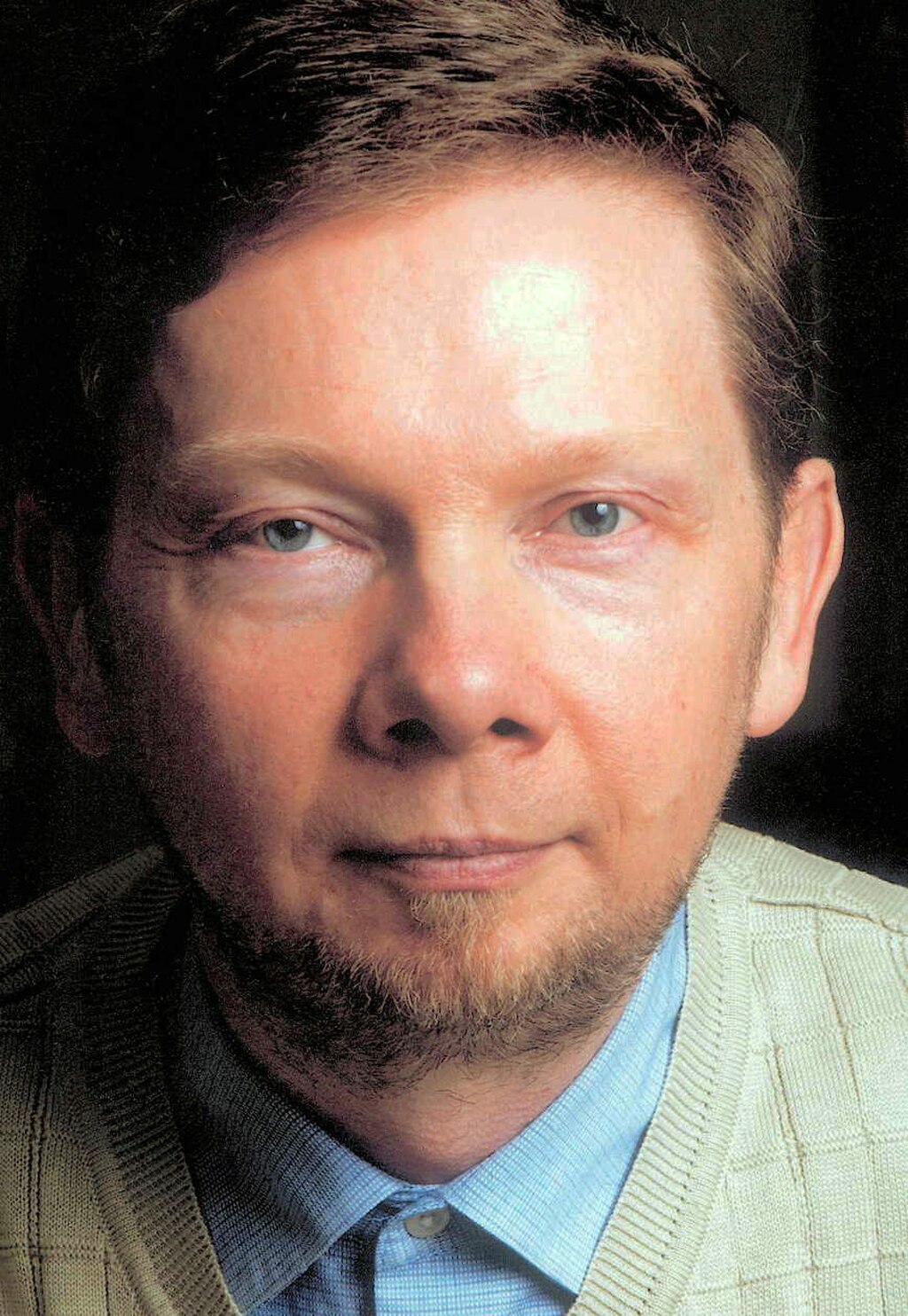
Beyond the Mind: The Essence of True Existence
Eckhart Tolle's assertion that "all the things that truly matter — beauty, love, creativity, joy, inner peace — arise from beyond the mind" invites us to explore the profound depths of our existence. In a world often dominated by thoughts and distractions, Tolle reminds us that the essence of life is not found in the cacophony of mental chatter but in a deeper, more authentic realm. This perspective challenges us to reconsider our priorities and the sources of our fulfillment, urging us to seek what is truly significant beyond the confines of our thinking minds.
This invitation to transcend the mind is not merely philosophical; it is a call to experience life in its fullest expression. Tolle's words resonate with a timeless truth that has echoed through various spiritual traditions: that the most profound aspects of our being — love, creativity, and inner peace — are not products of intellectual understanding but rather gifts that emerge from a state of presence and awareness. By recognizing that these essentials arise from a place beyond thought, we open ourselves to a richer, more meaningful existence.
The image / the metaphor
The imagery in Tolle's quote evokes a sense of depth and expansiveness, contrasting the limitations of the mind with the boundless nature of being. The phrase "beyond the mind" suggests a realm that is not confined by the analytical processes of thought, where beauty and joy are not mere concepts but lived experiences. The verbs "arise" and "matter" imply a natural emergence of these qualities, as if they are inherent to our true nature rather than products of our mental constructs.
In the speaker's tradition
Eckhart Tolle's teachings are rooted in the non-dual tradition, which emphasizes the interconnectedness of all existence and the illusion of separateness created by the mind. Concepts such as "sunyata" in Buddhism, which refers to emptiness or the absence of inherent existence, resonate with Tolle's assertion that our true essence transcends thought. Similarly, the idea of "fana" in Sufism, or the annihilation of the self in the divine, echoes the notion that true fulfillment arises when we let go of the ego's grasp and connect with a deeper reality.
In Tolle's seminal work, "A New Earth," he elaborates on the importance of presence and awareness as pathways to experiencing life beyond the confines of the mind. He draws on various spiritual traditions to illustrate that the essence of our being is not found in external achievements or intellectual pursuits but in the quiet recognition of our true nature. This perspective aligns with the teachings of many mystics who have pointed to the necessity of transcending the ego to experience the fullness of love, creativity, and joy.
Living the teaching
Consider a modern scenario where the pressures of daily life often lead us to prioritize productivity over presence. In the hustle of work, family obligations, and social commitments, we may find ourselves caught in a cycle of stress and distraction. Tolle's teaching encourages us to pause and reconnect with the essence of our being, reminding us that true fulfillment does not come from completing tasks but from experiencing moments of beauty and joy that arise when we are fully present.
In relationships, this teaching can be transformative. Imagine a moment of conflict where misunderstandings arise, and emotions run high. By stepping back and accessing a state of inner peace, we can respond with love and compassion rather than react from a place of hurt or defensiveness. This shift allows us to cultivate deeper connections, as we move beyond the limitations of our thoughts and engage with one another from a place of authenticity and understanding.
A reflection
As we contemplate Tolle's profound insight, we are invited to ask ourselves: What aspects of my life arise from the depths of my being, and how can I cultivate a greater awareness of these qualities? This question encourages us to reflect on our experiences of beauty, love, and joy, guiding us to recognize that they are not merely fleeting moments but essential aspects of our true nature. In this inquiry, we may discover pathways to a more fulfilling existence, rooted in the richness of being rather than the noise of the mind.




Join the BrightStar Community
Stay connected with daily inspiration, event announcements, and community wisdom