Beyond the Ego: The Dance of Thought and Identity
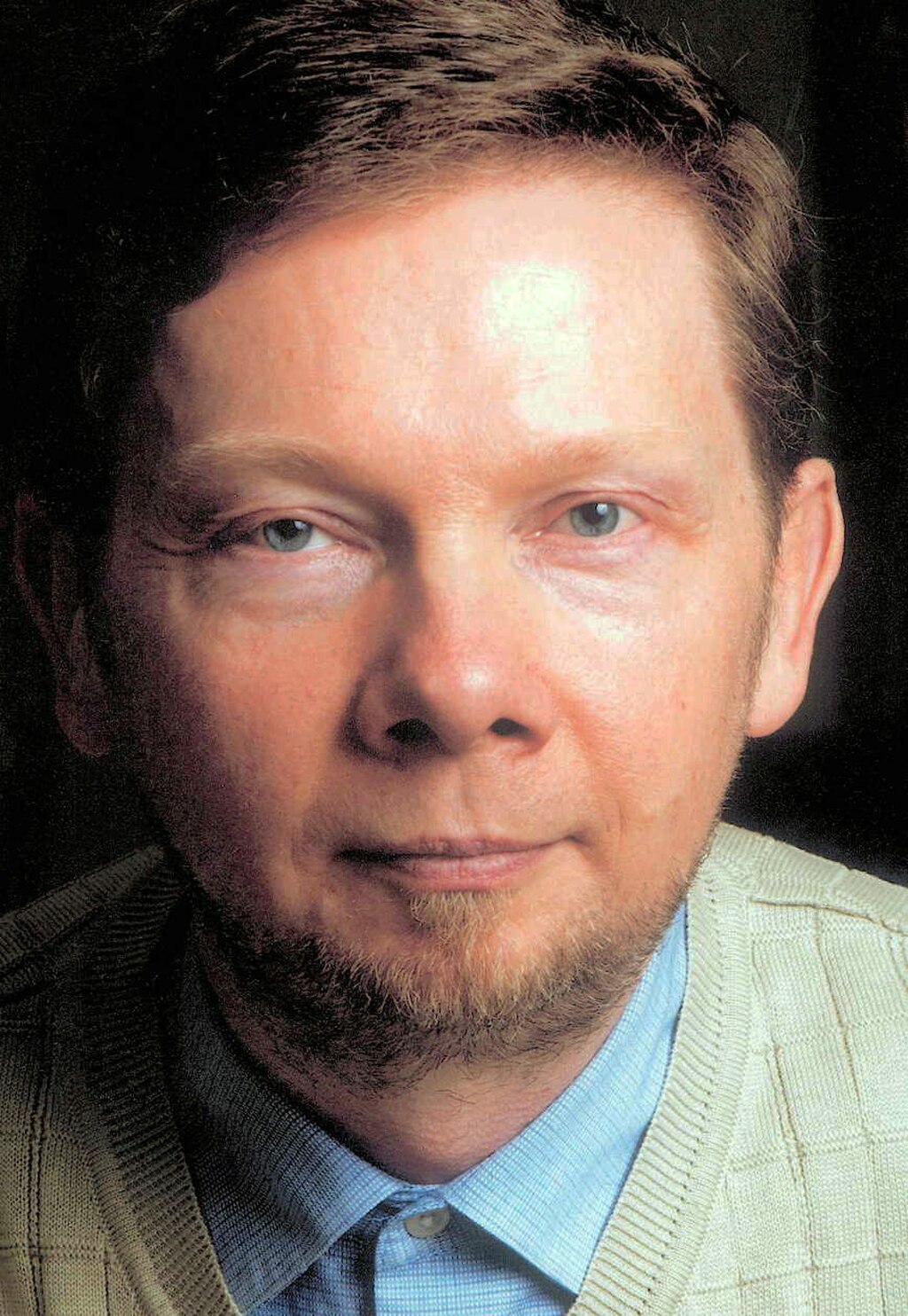
Eckhart Tolle's assertion that "Not all thinking and emotion is of the ego. They turn into ego only when you identify with them" invites us to explore the intricate relationship between our thoughts, emotions, and sense of self. This distinction is crucial, as it reveals the potential for liberation from the confines of egoic identification. Understanding this dynamic not only enhances our self-awareness but also opens pathways to deeper states of consciousness, where we can experience life more fully and authentically.
In a world often dominated by the incessant chatter of the mind, Tolle's words serve as a gentle reminder that our thoughts and feelings do not inherently define us. Instead, it is our attachment to them that shapes our identity and influences our actions. By recognizing this, we can cultivate a more profound awareness that transcends the ego, allowing us to engage with our experiences from a place of clarity and presence rather than reaction and identification.
The image / the metaphor
The imagery in Tolle's quote evokes a sense of fluidity between thought and identity. The verb "identify" suggests an active choice, a moment of decision where one can either embrace or release the thoughts and emotions that arise. This highlights the dynamic nature of our mental landscape, where thoughts can flow freely without the weight of egoic attachment. The felt sense of this distinction is akin to watching clouds drift across the sky; they are transient and ever-changing, yet we often mistakenly believe they define the vastness of the sky itself.
Diving deeper into this metaphor, we can envision our thoughts and emotions as waves on the ocean of consciousness. While they may rise and fall, creating ripples and disturbances, they do not alter the essence of the ocean itself. In this way, Tolle invites us to recognize that our true nature is the vast, unchanging awareness beneath the surface, capable of witnessing the ebb and flow of thoughts without becoming entangled in them. This perspective fosters a sense of peace, as we learn to observe rather than engage with the tumultuous waves of our mind.
In the speaker's tradition
Eckhart Tolle's teachings are deeply rooted in the non-dual tradition, which emphasizes the interconnectedness of all existence and the illusion of separateness. Concepts such as "sunyata" (emptiness) in Buddhism and "fana" (annihilation of the self) in Sufism resonate with Tolle's assertion. Both traditions encourage practitioners to dissolve the boundaries of the ego, revealing a more profound sense of unity with the universe. This dissolution of egoic identity allows for a more authentic experience of being, free from the constraints of personal narrative and judgment.
Living the teaching
Consider a modern scenario where this teaching can be applied: a moment of frustration during a work meeting. As tensions rise and emotions flare, one might feel overwhelmed by the urge to react defensively. However, by recognizing that these feelings do not define one's identity, a person can choose to step back, observe the emotions as they arise, and respond from a place of clarity rather than ego. This conscious choice transforms the interaction, allowing for a more constructive dialogue and a deeper connection with colleagues.
In the realm of relationships, Tolle's teaching can illuminate the dynamics of conflict. Imagine a disagreement with a loved one, where emotions run high and misunderstandings abound. By practicing awareness and refraining from identifying with the anger or hurt, one can approach the situation with compassion and understanding. This shift not only fosters healthier communication but also nurtures a deeper bond, as both individuals learn to navigate their feelings without becoming ensnared in the ego's narrative.
A reflection
As we contemplate Tolle's profound insight, we are invited to explore the nature of our own thoughts and emotions. How often do we find ourselves entangled in the stories we tell ourselves, mistaking them for our true identity? In moments of stillness, consider this question: What would it feel like to observe your thoughts and emotions without attachment, allowing them to pass like clouds in the sky? This inquiry opens the door to a more expansive understanding of self, one that transcends the limitations of ego and embraces the fullness of existence.




Join the BrightStar Community
Stay connected with daily inspiration, event announcements, and community wisdom