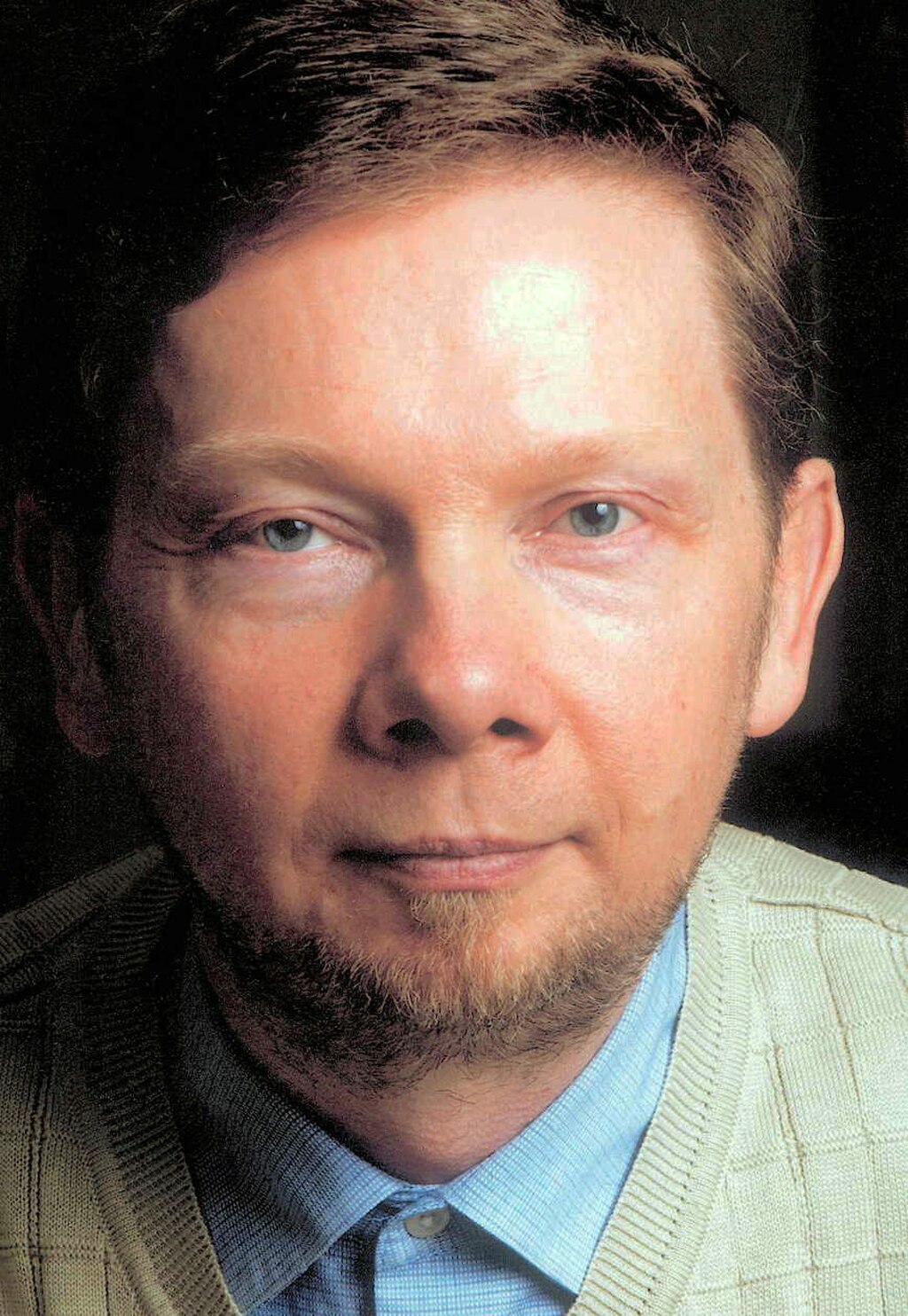
The Gift of Now: Embracing the Present Moment
Eckhart Tolle's profound assertion, "Realize deeply that the present moment is all you ever have," invites us to awaken to the immediacy of our existence. In a world often consumed by past regrets and future anxieties, this statement serves as a gentle yet firm reminder of the singular importance of the now. The stakes of this realization are high; it is not merely about mindfulness but about the essence of being itself. To grasp this truth is to unlock the door to a more authentic, fulfilling life.
Delving deeper, Tolle's words challenge us to confront the habitual distractions that pull us away from the present. The present moment is not just a fleeting point in time; it is the only space where life unfolds, where we can truly experience joy, love, and connection. By anchoring ourselves in the now, we cultivate a sense of presence that transcends the chaos of our thoughts and emotions. This teaching is not just theoretical; it is a transformative practice that can reshape our understanding of existence.
The image / the metaphor
The imagery in Tolle's quote evokes a sense of immediacy and urgency. The verb "realize" suggests an awakening, a conscious effort to perceive the truth of our situation. The phrase "deeply" implies that this realization is not superficial; it requires introspection and a willingness to engage with our inner lives. The present moment, described as "all you ever have," encapsulates the essence of our experience, urging us to let go of the past and future in favor of what is right before us.
Going deeper into the metaphor, we can see the present moment as a vast ocean of potential, where every wave represents a new opportunity for awareness and connection. Just as the ocean is ever-changing yet constant, so too is the present moment. It invites us to dive in, to immerse ourselves fully in our experiences, rather than skimming the surface with our minds elsewhere. This metaphor encourages us to embrace the fluidity of life, recognizing that each moment is a gift waiting to be unwrapped.
In the speaker's tradition
Eckhart Tolle's teachings are rooted in the non-dual tradition, which emphasizes the interconnectedness of all existence and the illusion of separateness. Concepts such as dharma, or the inherent nature of reality, and sunyata, the emptiness that allows for all things to arise, resonate deeply with Tolle's focus on presence. In this context, realizing the present moment is akin to recognizing the fundamental unity of life, where the self dissolves into the greater whole.
In his seminal work, "The Power of Now," Tolle draws upon various spiritual traditions, including Buddhism and Advaita Vedanta, to illustrate the significance of being present. The teachings of the Buddha, particularly the notion of mindfulness, echo Tolle's call to anchor ourselves in the now. Just as the Buddha encouraged his followers to observe their thoughts and sensations without attachment, Tolle invites us to experience life as it unfolds, free from the burdens of past and future.
Living the teaching
Consider a modern scenario where this teaching can be applied: a busy professional caught in the whirlwind of deadlines and meetings. In the midst of this chaos, the reminder to focus on the present moment can be transformative. By consciously pausing to breathe and engage with the task at hand, the individual can cultivate a sense of clarity and purpose, enhancing both productivity and well-being. This practice of presence allows for a more profound connection to one's work and colleagues, fostering a sense of community and shared experience.
In a different context, imagine a relationship strained by misunderstandings and unspoken grievances. By embracing the present moment, individuals can learn to communicate openly and authentically, letting go of past resentments. This shift towards presence can create a space for vulnerability and healing, allowing both partners to reconnect on a deeper level. In this way, Tolle's teaching becomes a powerful tool for nurturing relationships, encouraging us to engage fully with those we love.
A reflection
As we contemplate Tolle's invitation to realize the significance of the present moment, we are left with a profound question: How often do we allow ourselves to be fully present in our daily lives? This inquiry invites us to reflect on our habits, our distractions, and our relationship with time itself. In embracing this question, we open ourselves to the possibility of transformation, discovering the richness that lies within each fleeting moment.




Join the BrightStar Community
Stay connected with daily inspiration, event announcements, and community wisdom