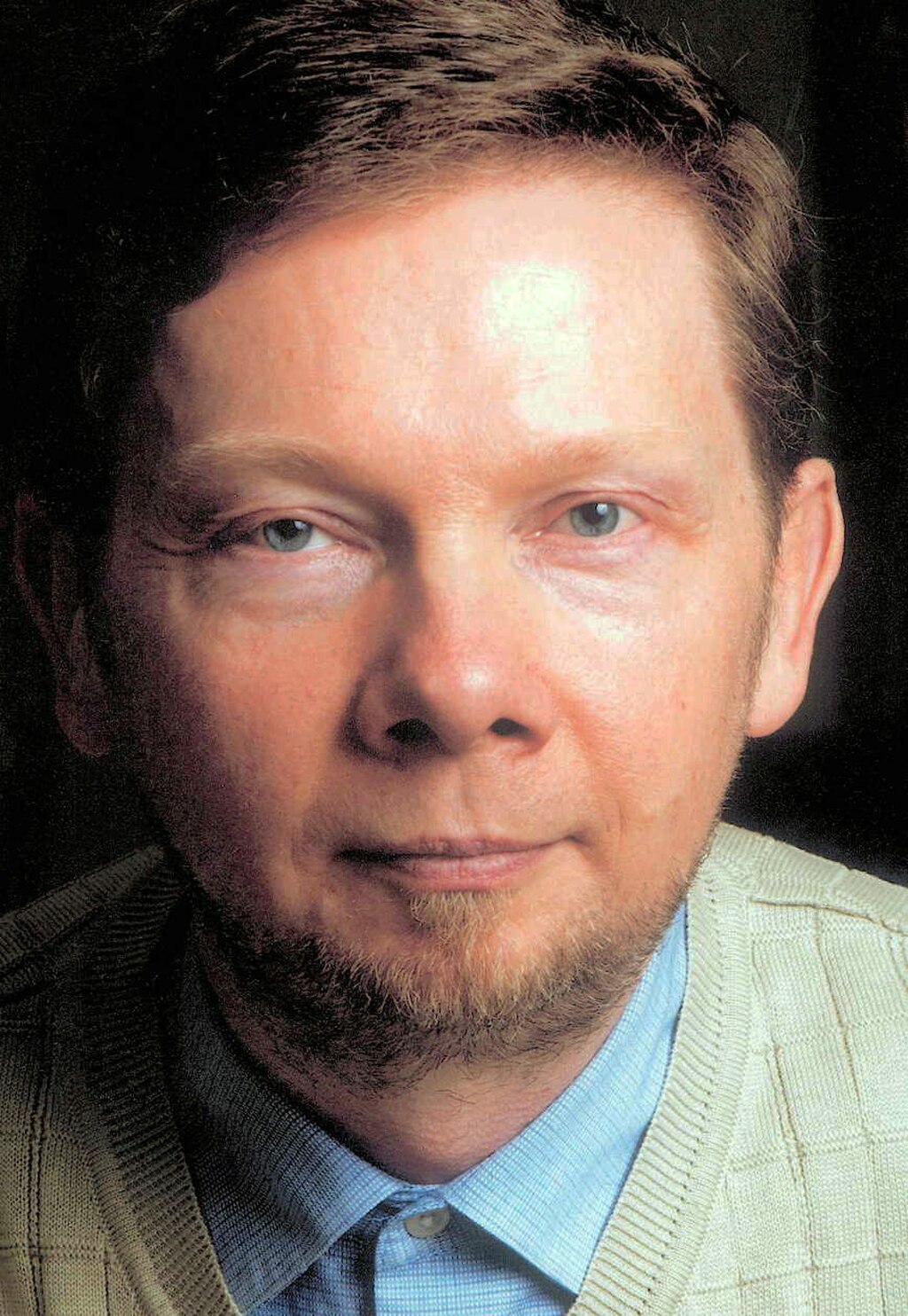
The Eternal Now: Embracing the Present Moment
In the profound words of Eckhart Tolle, "The only thing you ever have is now." This statement serves as a powerful reminder of the importance of presence in our lives. In a world often consumed by the past and future, Tolle invites us to recognize that the present moment is the only reality we can truly experience. Understanding this concept is not merely an intellectual exercise; it is a transformative realization that can lead to a more fulfilling and peaceful existence.
To grasp the weight of Tolle's assertion, we must delve deeper into the nature of time and our relationship with it. The past, with its memories and regrets, can anchor us in sorrow, while the future, filled with hopes and anxieties, often distracts us from the beauty of the present. Tolle's teaching encourages us to release these burdens and fully inhabit the now, where life unfolds in its most authentic form. By doing so, we can cultivate a sense of peace and clarity that transcends the chaos of our thoughts.
The image / the metaphor
The quote evokes a vivid image of time as a flowing river, with the present moment as the only point we can touch. The verbs "have" and "is" emphasize possession and existence, suggesting that the now is not just a fleeting moment but a continuous state of being. This imagery invites us to feel the immediacy of our existence, urging us to engage with life as it is, rather than as we wish it to be. The essence of our experience lies in this very moment, where we can find stillness amidst the noise of our thoughts.
In the speaker's tradition
Eckhart Tolle's teachings are rooted in the non-dual tradition, which emphasizes the interconnectedness of all things and the illusion of separation. Concepts such as "sunyata" in Buddhism, which refers to emptiness or the absence of inherent existence, resonate with Tolle's assertion that the past and future are constructs of the mind. By recognizing the impermanence of these constructs, we can begin to experience the fullness of the present moment, aligning ourselves with the essence of our being.
In the context of Tolle's work, we can draw parallels with the concept of "kenosis," or self-emptying, found in Christian mysticism. This idea encourages the relinquishing of ego and attachment, allowing us to experience the divine presence in the now. Tolle's emphasis on presence echoes the teachings of various spiritual traditions, reminding us that the essence of life is found in the surrender to the present moment, where we can encounter the sacred.
Living the teaching
Consider a modern scenario where the teaching of "the only thing you ever have is now" can be applied: a busy professional caught in the whirlwind of deadlines and responsibilities. In this context, the individual may find themselves constantly preoccupied with future tasks, leading to stress and anxiety. By consciously choosing to focus on the present moment—taking a deep breath, feeling the sensations of their body, and appreciating the environment around them—they can cultivate a sense of calm and clarity, transforming their experience of work into one of mindfulness and presence.
Another application of this teaching can be found in relationships. Imagine a couple engaged in a heated discussion, each person fixated on past grievances or future expectations. By grounding themselves in the present moment, they can listen to each other with greater empathy and understanding. This shift from a future-oriented mindset to one rooted in the now allows for deeper connection and healing, fostering a space where love and compassion can flourish.
A reflection
As we contemplate Tolle's profound statement, we are invited to reflect on our own relationship with time and presence. How often do we find ourselves lost in thoughts of what has been or what is yet to come? In this moment, consider: what would it feel like to fully inhabit the present, to embrace the now as the only reality we possess? Allow this question to guide your exploration of presence, inviting you to discover the richness of life that unfolds in each fleeting moment.




Join the BrightStar Community
Stay connected with daily inspiration, event announcements, and community wisdom