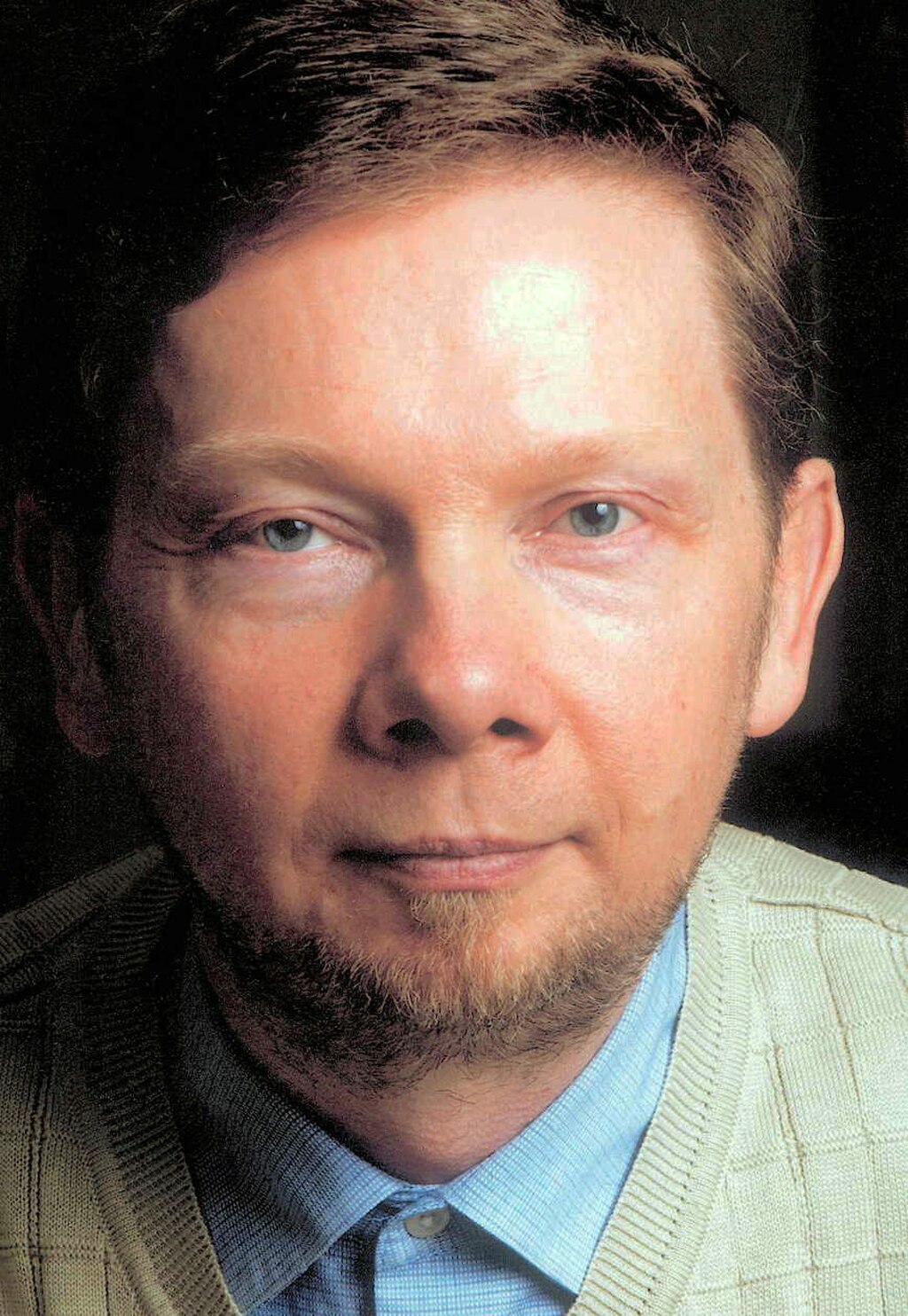
The Freedom of Consciousness: An Exploration of Eckhart Tolle's Insight
In the profound words of Eckhart Tolle, "To be conscious is to be free." This statement invites us to explore the intricate relationship between awareness and liberation. At its core, Tolle suggests that true freedom is not merely a physical or societal condition but a state of being that arises from our consciousness. Understanding this connection is essential, as it challenges us to reconsider how we perceive our lives and the constraints we often feel.
As we delve deeper into Tolle's assertion, we begin to recognize that consciousness is not a passive state but an active engagement with the present moment. It is through this engagement that we can transcend the limitations imposed by our thoughts, fears, and societal expectations. The stakes are high; in a world that often equates freedom with external circumstances, Tolle's insight compels us to look inward, suggesting that our liberation lies in the depths of our awareness and presence.
The image / the metaphor
When Tolle speaks of consciousness and freedom, he employs imagery that evokes a sense of awakening. The verb "to be" suggests a state of existence that is both immediate and dynamic, while "conscious" implies a heightened awareness that transcends mere survival or routine. This felt sense of being alive, fully engaged in the moment, is a powerful metaphor for the liberation that comes from recognizing our true essence beyond the confines of the ego.
Diving deeper into this metaphor, we can envision consciousness as a vast ocean, with our thoughts and emotions as mere waves that rise and fall. To be conscious is to swim beneath the surface, where the waters are calm and expansive. In this space, we discover that our true nature is not defined by the tumultuous waves of external circumstances but by the stillness and depth of our being. This imagery serves as a reminder that freedom is not found in the absence of challenges but in our ability to navigate them with awareness.
In the speaker's tradition
Eckhart Tolle's teachings are deeply rooted in the non-dual tradition, which emphasizes the interconnectedness of all existence and the illusion of separation. Concepts such as *sunyata* (emptiness) and *fana* (annihilation of the self) resonate with Tolle's assertion that true freedom arises from transcending the ego. In this context, consciousness is not merely a personal attribute but a universal quality that connects us to the essence of life itself.
In his seminal work, *A New Earth*, Tolle draws parallels between his insights and those found in various spiritual traditions. For instance, the Buddhist concept of *prajna*, or wisdom, aligns with the idea that awareness leads to liberation. Just as the Buddha taught that enlightenment arises from seeing through the illusions of the self, Tolle invites us to awaken to our true nature, suggesting that this awakening is the key to experiencing genuine freedom.
Living the teaching
Consider a modern scenario where this teaching can be applied: a person finds themselves overwhelmed by the demands of work and family life. In the midst of this chaos, they may feel trapped by their responsibilities, believing that freedom lies in escaping these obligations. However, by cultivating consciousness through mindfulness practices, such as meditation or deep breathing, they can shift their perspective. Instead of viewing their situation as a burden, they begin to see it as an opportunity for growth and presence, thus experiencing a newfound sense of freedom within their circumstances.
Another application of Tolle's teaching can be found in interpersonal relationships. Imagine a conflict arising between two friends, where misunderstandings and emotional reactions cloud their communication. By embracing the practice of conscious listening—where each person fully engages with the other without judgment—they can transcend their ego-driven responses. This conscious engagement not only resolves the conflict but also fosters a deeper connection, illustrating how awareness can transform relationships and create a sense of freedom from the patterns of misunderstanding.
A reflection
As we reflect on Tolle's assertion that "to be conscious is to be free," we are invited to consider the nature of our own consciousness. Are we often caught in the web of our thoughts and emotions, or do we find moments of clarity that reveal our true essence? In this light, I encourage you to contemplate: What does it mean for you to be truly conscious, and how might this awareness lead you to a deeper sense of freedom in your life?




Join the BrightStar Community
Stay connected with daily inspiration, event announcements, and community wisdom