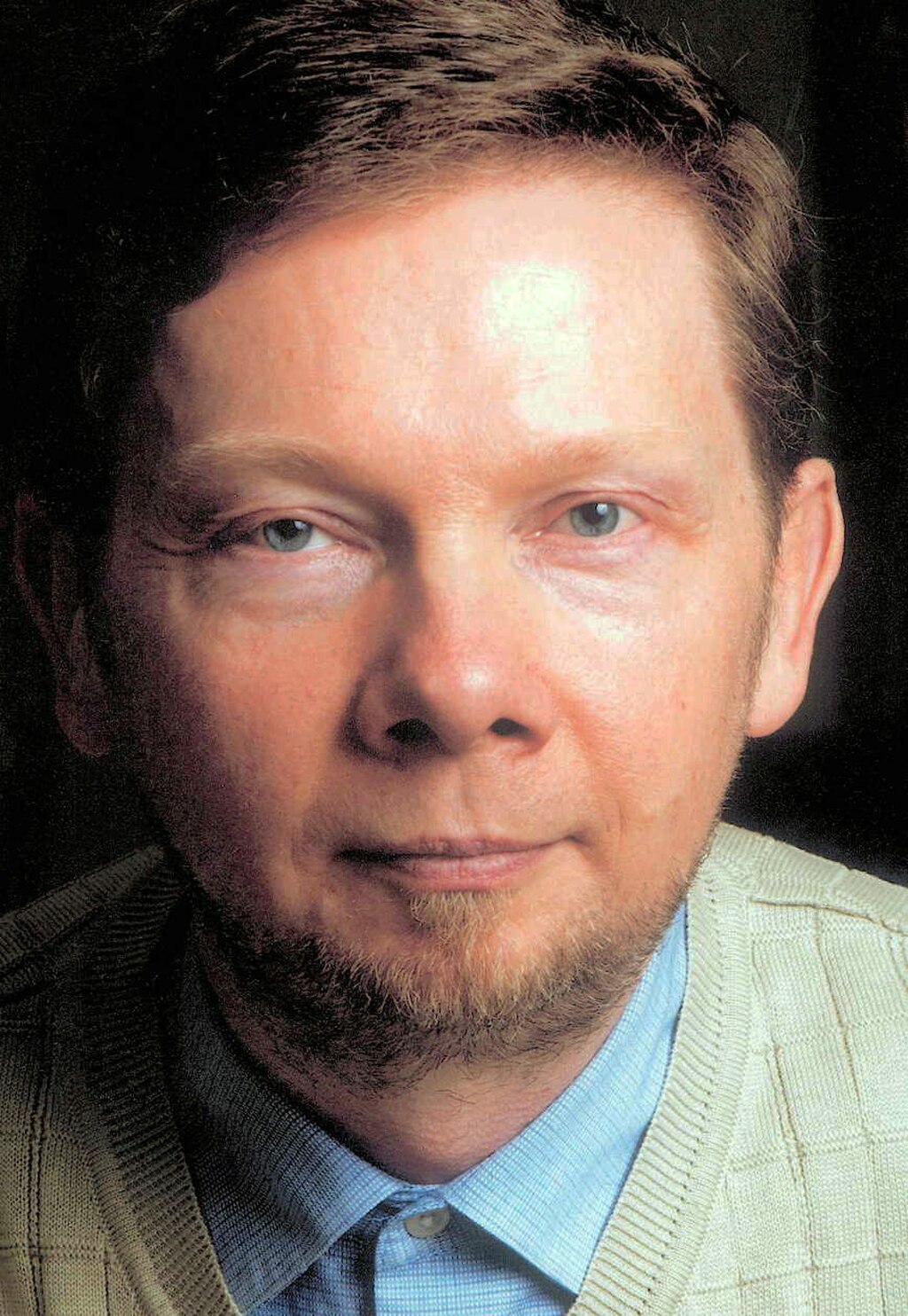
The Essence of Love and Presence
In the words of Eckhart Tolle, "To love is to be present." This profound statement invites us to consider the intrinsic connection between love and the act of being fully engaged in the moment. In a world often dominated by distractions and a relentless pursuit of future aspirations, Tolle's insight serves as a gentle reminder that true love flourishes only when we are wholly present with ourselves and others. This understanding is not merely an abstract notion; it is a call to deepen our relationships and our experience of life itself.
To love, as Tolle suggests, transcends mere emotional attachment or romantic affection; it is an active state of awareness and connection. In recognizing that love is synonymous with presence, we are challenged to examine how often we truly inhabit the moment with those we care about. This exploration is vital, as it reveals the transformative power of presence—not just for ourselves, but for the collective experience of humanity. Love, in this context, becomes a practice of mindfulness, an invitation to engage with the essence of life as it unfolds.
The image / the metaphor
The imagery in Tolle's quote evokes a sense of immediacy and intimacy. To love is not a passive state; it is an active engagement with the present moment. The verb "to be" suggests a grounding in reality, a commitment to experiencing life as it is, rather than as we wish it to be. This presence is not merely physical; it encompasses emotional and spiritual dimensions, inviting us to connect deeply with ourselves and others. The felt sense of this presence is palpable, as it allows love to blossom in the fertile ground of awareness.
In the speaker's tradition
Eckhart Tolle's teachings are rooted in the non-dual tradition, which emphasizes the interconnectedness of all beings and the importance of living in the present moment. Concepts such as dharma, or one's true path, and sunyata, the emptiness that allows for fullness, resonate deeply with Tolle's assertion that love is found in presence. In this framework, love is not a separate entity but an expression of our shared essence, a reflection of the divine interconnectedness that binds us all. The practice of kenosis, or self-emptying, further illustrates this idea, as it encourages us to let go of our ego-driven desires and fully embrace the moment.
In Tolle's work, we can draw parallels to the teachings found in various spiritual texts. For instance, the Buddhist concept of prajna, or wisdom, aligns with the understanding that true love arises from a deep awareness of the present. Similarly, the Sufi notion of fana, or annihilation of the self, echoes the sentiment that to love is to dissolve the barriers that separate us from one another. These teachings collectively affirm that love, when rooted in presence, transcends the individual and connects us to the greater tapestry of existence.
Living the teaching
Consider a modern scenario where this teaching can take root: a busy parent attempting to connect with their child amidst the chaos of daily life. In the rush to meet deadlines and fulfill obligations, it is easy to overlook the simple act of being present with a loved one. However, when the parent consciously sets aside distractions—putting away their phone, turning off the television, and engaging in a shared activity—they create a space for love to flourish. This moment of presence not only strengthens their bond but also enriches their own experience of joy and connection.
Another application of Tolle's teaching can be found in the realm of relationships, particularly during difficult moments. Imagine a couple facing a conflict, where emotions run high and misunderstandings abound. By choosing to be present with one another—listening deeply, acknowledging feelings, and refraining from reactive responses—they can navigate the challenge with compassion and understanding. This practice of presence transforms conflict into an opportunity for growth, allowing love to emerge even in the face of adversity.
A reflection
As we contemplate Tolle's assertion that "to love is to be present," we are invited to reflect on our own lives and relationships. How often do we find ourselves physically present but mentally elsewhere? In what ways can we cultivate a deeper sense of presence in our interactions with others? By engaging with these questions, we open ourselves to the possibility of experiencing love in its truest form—an expression of our shared humanity, grounded in the richness of the present moment.




Join the BrightStar Community
Stay connected with daily inspiration, event announcements, and community wisdom