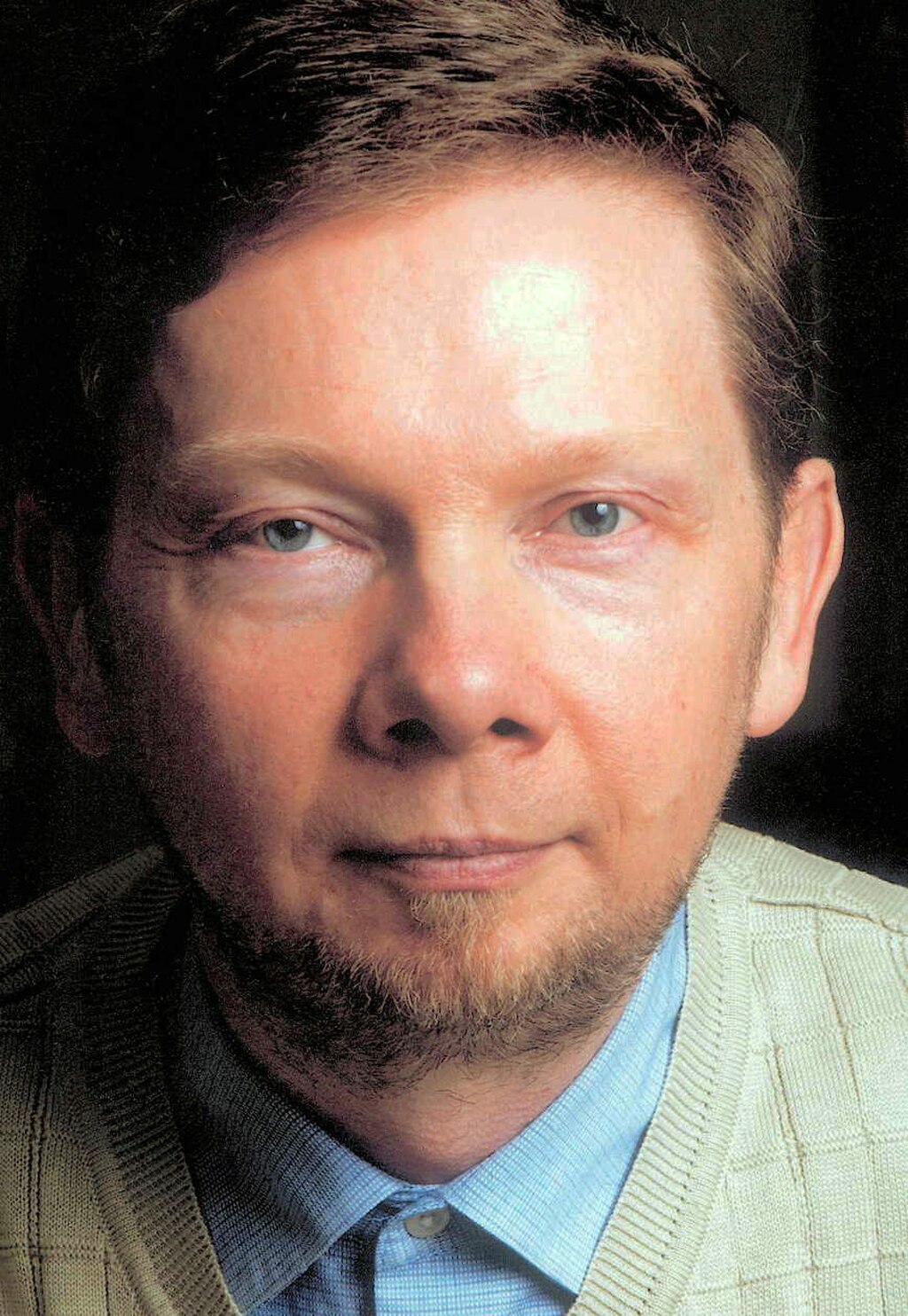
Embracing the Present: The Art of Acceptance
Eckhart Tolle's profound assertion, "Whatever the present moment contains, accept it as if you had chosen it," invites us to engage deeply with the nature of our experiences. This statement challenges the habitual tendency to resist or judge our current circumstances, urging us instead to embrace them fully. In a world often characterized by distraction and discontent, the practice of acceptance becomes a vital pathway to inner peace and spiritual awakening. By choosing to accept the present moment, we cultivate a profound sense of presence and connection to life itself.
At its core, Tolle's quote speaks to the transformative power of acceptance. It suggests that our relationship with the present moment is not merely a passive experience but an active choice that shapes our reality. This perspective encourages us to recognize that every moment, regardless of its nature, holds the potential for growth and understanding. By reframing our experiences as choices we have made, we liberate ourselves from the burdens of regret and anxiety, allowing us to engage with life more authentically and joyfully.
The image / the metaphor
The imagery within Tolle's quote evokes a sense of surrender and openness. The verbs "accept" and "choose" highlight a dynamic interplay between our inner state and the external world. To accept the present moment as if we had chosen it implies a deep level of trust in the unfolding of life. This acceptance is not passive resignation but an active engagement with reality, where we acknowledge the richness of our experiences, both pleasant and challenging.
In the speaker's tradition
Eckhart Tolle's teachings are rooted in the non-dual tradition, which emphasizes the interconnectedness of all things and the illusion of separation. Concepts such as *sunyata* (emptiness) and *fana* (annihilation of the self) resonate deeply with the idea of acceptance. In this context, acceptance becomes a gateway to realizing our true nature, transcending the ego's incessant need for control and certainty. By embracing the present moment, we align ourselves with the flow of existence, recognizing that every experience contributes to our spiritual evolution.
In *The Power of Now*, Tolle draws upon various philosophical and spiritual traditions, including elements of Buddhism and Sufism, to illustrate the importance of living in the present. The notion of *kenosis*, or self-emptying, parallels Tolle's call to release our attachments to past and future, allowing us to fully inhabit the now. This alignment with the present moment fosters a deeper understanding of our true essence, inviting us to experience life with a sense of wonder and gratitude.
Living the teaching
Consider a modern scenario where this teaching can be applied: imagine a busy commuter stuck in traffic, feeling frustration and impatience rise within. By embracing Tolle's teaching, the commuter can shift their perspective, accepting the situation as a moment chosen for reflection or mindfulness. Instead of succumbing to anger, they might choose to use this time to breathe deeply, listen to an inspiring podcast, or simply observe their thoughts without judgment. This practice of acceptance transforms a mundane experience into an opportunity for growth and presence.
In the realm of relationships, Tolle's teaching can also provide profound insights. Picture a couple navigating a difficult conversation, where misunderstandings and emotions run high. By applying the principle of acceptance, each partner can approach the dialogue with an open heart, recognizing the moment as a chance to learn about each other rather than a battleground for conflict. This shift in mindset fosters empathy and connection, allowing both individuals to engage more authentically and compassionately, ultimately deepening their bond.
A reflection
As we contemplate Tolle's invitation to accept the present moment as if we had chosen it, we are called to examine our own relationship with acceptance. What would it mean for you to embrace your current circumstances fully, without resistance or judgment? In what ways might this practice transform your experience of life, allowing you to engage more deeply with the richness of each moment? Reflecting on these questions can illuminate the path toward a more profound sense of peace and presence.



Join the BrightStar Community
Stay connected with daily inspiration, event announcements, and community wisdom