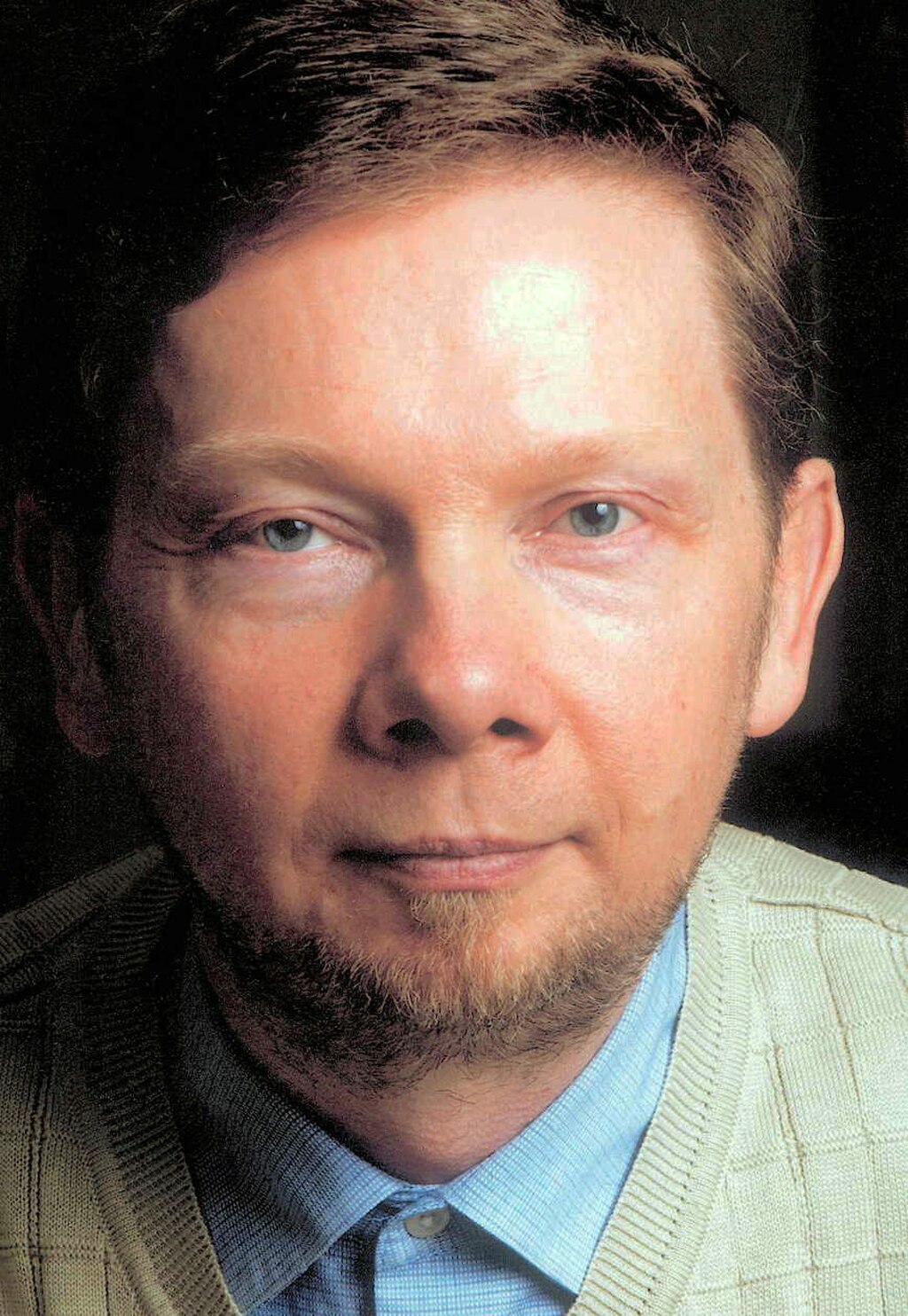
The Stillness of Wisdom: A Journey Within
In the words of Eckhart Tolle, "Wisdom comes with the ability to be still." This profound statement invites us to explore the relationship between wisdom and stillness, suggesting that true understanding arises not from the cacophony of thoughts and distractions, but from a place of inner calm. In a world that often prioritizes busyness and external validation, this teaching serves as a gentle reminder of the power of silence and presence. It beckons us to pause, to listen, and to cultivate a deeper awareness of our inner landscape.
As we delve deeper into Tolle's assertion, we begin to recognize that stillness is not merely the absence of noise, but a rich, fertile ground where insight can flourish. It is in this quietude that we can confront our fears, desires, and the incessant chatter of the mind. The ability to be still is not a passive state; rather, it is an active engagement with the present moment, allowing us to connect with our true selves and the wisdom that resides within. This exploration of stillness is essential for anyone seeking to navigate the complexities of life with clarity and purpose.
The image / the metaphor
The imagery in Tolle's quote evokes a serene landscape, where stillness reigns and wisdom flows like a gentle stream. The verb "comes" suggests that wisdom is not something we must chase or acquire; rather, it is a natural byproduct of cultivating stillness. This notion of stillness can be likened to a calm lake, reflecting the sky above, untroubled by the winds of distraction. In this state, we can see clearly, both within ourselves and in our interactions with the world around us.
Diving deeper into the metaphor, we can understand stillness as a sacred space where the noise of the ego fades away, allowing the essence of our being to emerge. It is in this quiet sanctuary that we can access profound insights and intuitive knowledge, often obscured by the relentless activity of our minds. Tolle's emphasis on stillness invites us to consider it not just as a practice, but as a way of being—an invitation to embrace the present moment fully and to recognize the wisdom that arises from our inner depths.
In the speaker's tradition
Eckhart Tolle's teachings are deeply rooted in the non-dual tradition, which emphasizes the interconnectedness of all existence and the illusion of separation. Concepts such as *sunyata* (emptiness) and *prajna* (wisdom) resonate with Tolle's assertion that wisdom emerges from stillness. In this context, stillness can be seen as a gateway to experiencing the oneness of being, where the boundaries of the self dissolve, and we can access a deeper understanding of reality. This aligns with the notion of *kenosis*, or self-emptying, which invites us to release our attachments and preconceived notions to embrace the fullness of the present moment.
In Tolle's work, particularly in *Stillness Speaks*, he echoes the sentiments found in ancient texts such as the *Tao Te Ching*, where Lao Tzu speaks of the value of simplicity and stillness in attaining wisdom. Just as the Tao emphasizes the importance of aligning with the natural flow of life, Tolle encourages us to cultivate a state of being that allows wisdom to arise organically from within. This timeless wisdom transcends cultural boundaries, inviting seekers from all walks of life to explore the depths of their own consciousness.
Living the teaching
Consider a modern scenario where the teaching of stillness can be applied: imagine a busy professional navigating the demands of a fast-paced work environment. The pressure to perform, meet deadlines, and engage in constant communication can create a whirlwind of stress and anxiety. In such moments, the practice of stillness becomes a refuge, offering a space to step back, breathe, and reconnect with one's inner self. By taking a few moments to pause, the individual can cultivate clarity, allowing for more thoughtful decision-making and a deeper sense of presence in their work.
In the realm of relationships, the teaching of stillness can also play a transformative role. Picture a couple facing a conflict, where emotions run high and communication breaks down. By embracing stillness—whether through mindful breathing or a moment of silence before responding—they can create an environment conducive to understanding and empathy. This practice allows them to listen deeply, not only to each other but also to their own feelings, fostering a connection that transcends the immediate turmoil. In both scenarios, the ability to be still becomes a powerful tool for navigating life's challenges with grace and wisdom.
A reflection
As we reflect on Tolle's assertion that "wisdom comes with the ability to be still," we are invited to consider our own relationship with stillness. How often do we allow ourselves the space to be quiet, to listen to the whispers of our inner wisdom? In a world that often glorifies busyness, this contemplative question encourages us to explore the depths of our own consciousness and the insights that await us in the stillness. What might we discover if we dared to embrace the silence within?




Join the BrightStar Community
Stay connected with daily inspiration, event announcements, and community wisdom