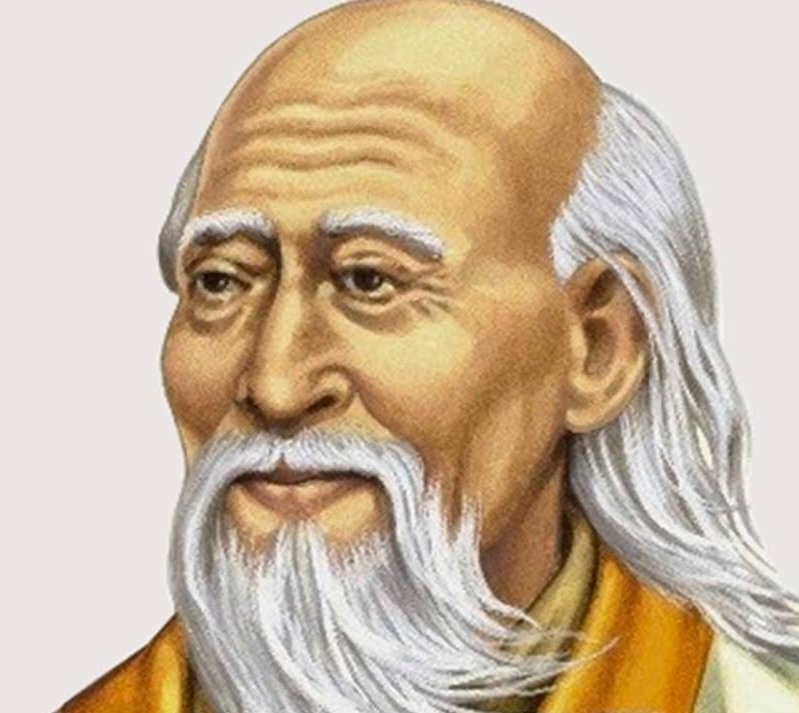
The Journey Beyond Destination
Lao Tzu's assertion that "a good traveler has no fixed plans, and is not intent on arriving" invites us to reconsider our relationship with the journey of life itself. In a world that often prioritizes goals and outcomes, this wisdom encourages us to embrace the fluidity of existence. It suggests that the essence of travel—both literal and metaphorical—lies not in the destination but in the experiences and lessons encountered along the way. This perspective challenges the conventional narrative of success and fulfillment, urging us to cultivate a sense of presence and openness to the unfolding of our lives.
By advocating for a mindset free from rigid expectations, Lao Tzu illuminates the path of non-attachment, a core tenet of Taoist philosophy. This teaching resonates deeply in our fast-paced society, where the pressure to achieve can overshadow the beauty of simply being. To embody the spirit of a "good traveler" is to engage with life as it comes, allowing for spontaneity and discovery. In doing so, we may find that the richness of our experiences far outweighs the significance of any particular outcome.
The image / the metaphor
The imagery of a traveler evokes a sense of movement and exploration, suggesting a journey that is dynamic and ever-changing. The phrase "no fixed plans" conjures a picture of someone who is open to the world, unencumbered by the weight of expectations. This traveler is not merely wandering aimlessly; rather, they are fully engaged in the present moment, responsive to the sights, sounds, and experiences that arise. The verbs chosen—"has" and "is not intent"—imply a state of being that is fluid and adaptable, contrasting sharply with the rigidity often associated with goal-oriented pursuits.
Diving deeper into this metaphor, we can see that the act of traveling becomes a powerful symbol for life itself. Just as a traveler navigates unfamiliar terrain, we too traverse the landscapes of our existence, encountering both challenges and joys. The absence of a fixed destination reflects a profound understanding of the impermanence of life; it invites us to appreciate the journey rather than fixate on an endpoint. In this light, the traveler embodies a spirit of curiosity and wonder, reminding us that each moment holds the potential for discovery and growth.
In the speaker's tradition
Within the context of Taoism, Lao Tzu's wisdom resonates with the concept of wu wei, or "non-action." This principle encourages us to align with the natural flow of life, allowing events to unfold without forceful intervention. The idea of non-attachment is also echoed in Buddhist teachings, where concepts like sunyata (emptiness) and prajna (wisdom) emphasize the importance of letting go of rigid attachments to outcomes. In this way, Lao Tzu's quote serves as a bridge between these traditions, highlighting the shared understanding of the value of presence and openness.
Furthermore, the Tao Te Ching itself is a rich source of insights that complement this teaching. In Chapter 8, Lao Tzu describes the ideal person as one who embodies humility and simplicity, living in harmony with the Tao. This aligns with the notion that a good traveler, unbound by fixed plans, embodies a similar humility, allowing life to unfold naturally. By embracing this perspective, we cultivate a deeper connection to ourselves and the world around us, fostering a sense of peace and contentment.
Living the teaching
Consider a modern scenario where this teaching can be applied: a young professional navigating the complexities of career advancement. In a culture that often equates success with a linear trajectory, this individual may feel pressured to adhere to a rigid plan for their career. However, by embracing the wisdom of Lao Tzu, they can learn to approach their professional journey with an open heart and mind, allowing for unexpected opportunities and experiences to shape their path. This shift in perspective can lead to greater fulfillment, as they discover that the richness of their career is found not solely in promotions or accolades, but in the relationships and lessons cultivated along the way.
In the realm of relationships, the teaching of non-attachment can also be transformative. Imagine a couple facing challenges in their partnership, each holding onto preconceived notions of how their relationship should unfold. By letting go of fixed expectations and embracing the present moment, they can foster a deeper connection, allowing their love to evolve organically. This practice of presence encourages vulnerability and authenticity, creating space for growth and understanding. In both personal and professional contexts, the essence of being a "good traveler" lies in our ability to remain open to the journey, trusting that each step we take is part of a greater unfolding.
A reflection
As we contemplate Lao Tzu's profound insight, we are invited to reflect on our own lives and the ways in which we may be clinging to fixed plans or rigid expectations. What would it mean for us to embrace the journey without a predetermined destination? In what areas of our lives could we cultivate a sense of presence and openness, allowing ourselves to be guided by the flow of experience? These questions serve as a gentle reminder that the beauty of life often lies not in the arrival, but in the richness of the journey itself.




Join the BrightStar Community
Stay connected with daily inspiration, event announcements, and community wisdom