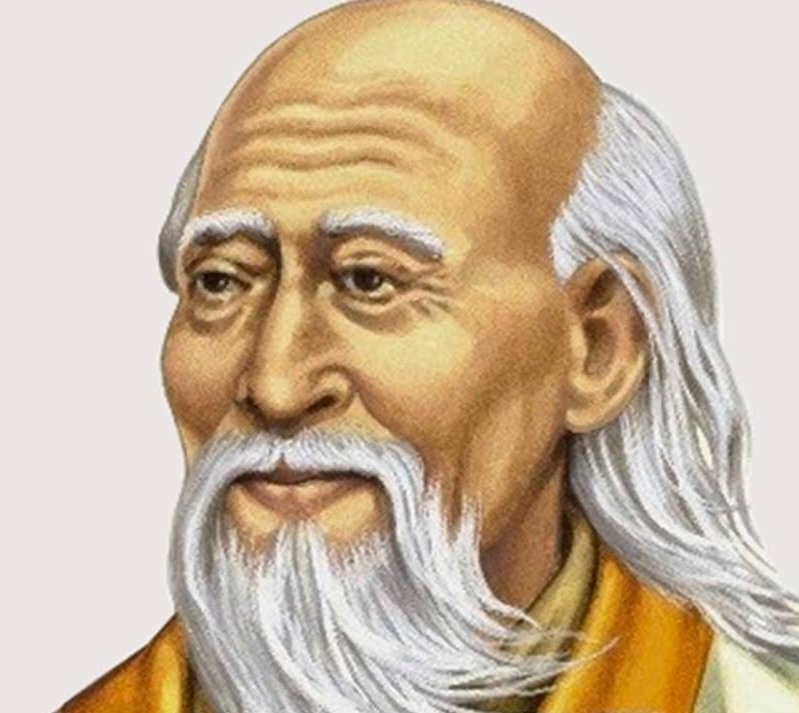
The Dance of Being and Non-Being
Lao Tzu's profound assertion, "All things in the world come from being. And being comes from non-being," invites us to explore the intricate relationship between existence and the void. This statement encapsulates a fundamental principle of Taoist philosophy, suggesting that all manifestations of life arise from a deeper, unseen source. Understanding this interplay between being and non-being is crucial, as it not only shapes our perception of reality but also influences how we engage with the world around us.
In a culture often fixated on tangible outcomes and material success, Lao Tzu's wisdom serves as a gentle reminder of the importance of emptiness and potentiality. The concept of non-being, or the void, is not merely a lack of existence; rather, it is a fertile ground from which all creation springs forth. By contemplating this relationship, we can cultivate a deeper awareness of our own lives, recognizing that our essence is rooted in both presence and absence, action and stillness.
The image / the metaphor
The imagery in Lao Tzu's quote evokes a sense of flow and transformation. The verbs "come from" suggest a dynamic process, where being is not a static state but rather a continual unfolding from the depths of non-being. This movement from the unseen to the seen reflects the natural cycles of life, where potentiality gives rise to reality. The felt sense of this quote resonates with the idea that existence is a dance, a rhythm that oscillates between presence and absence, creation and dissolution.
Diving deeper into the metaphor, we can perceive non-being as a vast ocean of possibilities, while being represents the waves that rise and fall upon its surface. Just as waves are shaped by the ocean's depths, our lives are influenced by the unseen forces of the universe. This understanding encourages us to embrace the unknown and the unformed, recognizing that within the void lies the potential for all that we can become. It invites us to appreciate the beauty of impermanence and the transient nature of our experiences.
In the speaker's tradition
Lao Tzu's insights are deeply rooted in the tradition of Taoism, which emphasizes harmony with the natural flow of the universe. Central to this philosophy is the concept of "wu wei," or effortless action, which aligns with the understanding that being arises from non-being. This principle encourages us to cultivate a state of receptivity, allowing life to unfold naturally rather than forcing our will upon it. In this way, the Taoist path invites us to embrace the paradox of existence, where surrendering to the void can lead to profound creativity and insight.
A relevant text that echoes this sentiment is the "Tao Te Ching," where Lao Tzu often speaks of the value of simplicity and humility. In Chapter 2, he writes about the interplay of opposites, highlighting how the existence of one thing defines another. This interconnectedness reinforces the idea that being and non-being are not separate entities but rather two sides of the same coin, each giving rise to the other in a continuous cycle of creation and dissolution.
Living the teaching
Consider a modern scenario where this teaching resonates: the creative process of an artist. An artist often begins with a blank canvas, a space of non-being filled with potential. As they engage with this emptiness, their ideas and emotions begin to take form, transforming the void into a vibrant expression of being. This process illustrates how embracing the unknown can lead to profound manifestations, reminding us that our greatest creations often emerge from moments of stillness and contemplation.
This teaching can also be applied to personal relationships. In times of conflict or misunderstanding, we may find ourselves caught in the noise of being—asserting our perspectives and desires. However, if we pause and embrace the non-being of silence and reflection, we create space for deeper understanding and connection. By allowing ourselves to sit with the discomfort of uncertainty, we open the door to new possibilities, fostering growth and healing in our relationships.
A reflection
As we contemplate Lao Tzu's profound words, we are invited to reflect on the nature of our own existence. How often do we find ourselves clinging to the known, resisting the emptiness that precedes creation? In what areas of our lives can we embrace the void, allowing it to inform our journey and inspire our growth? This contemplation encourages us to explore the delicate balance between being and non-being, inviting us to trust in the process of life itself.




Join the BrightStar Community
Stay connected with daily inspiration, event announcements, and community wisdom