The Wisdom of Non-Attachment: Preserving the Body and Spirit
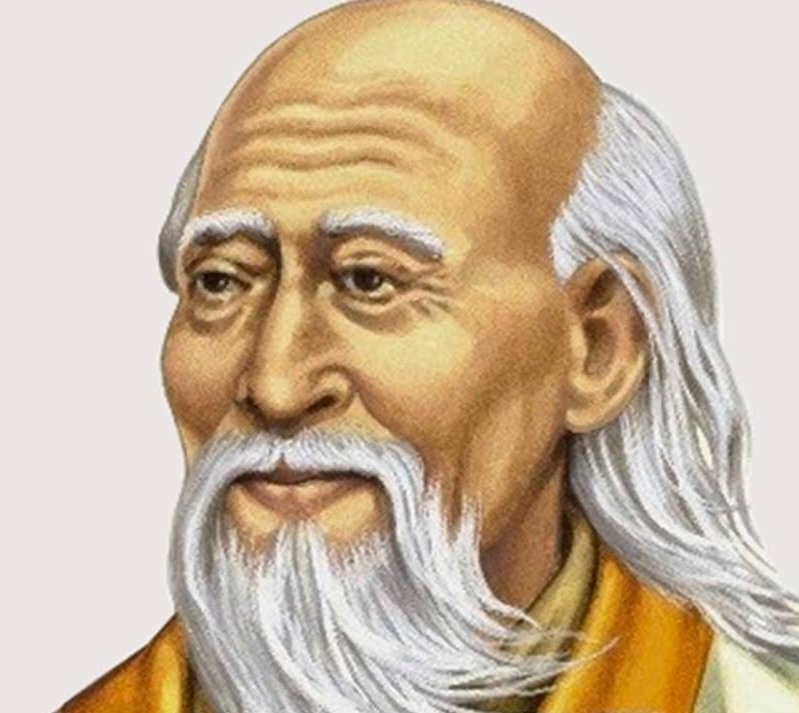
Lao Tzu's assertion that "He treats his body as if it were not his, and his body is preserved" invites us to explore the profound relationship between self-perception and physical well-being. This statement suggests that when we cultivate a sense of non-attachment to our physical form, we paradoxically enhance its vitality and longevity. In a world often obsessed with the body as a possession to be controlled or adorned, Lao Tzu's wisdom offers a refreshing perspective that emphasizes harmony over ownership.
At its core, this quote challenges the conventional understanding of identity and ownership. By suggesting that one should regard the body as separate from the self, Lao Tzu encourages a shift in consciousness that transcends mere physical existence. This perspective not only fosters a deeper connection to the body but also aligns with the broader Taoist philosophy of flowing with the natural rhythms of life, ultimately leading to a more profound sense of peace and well-being.
The image / the metaphor
The imagery in Lao Tzu's quote evokes a sense of detachment and reverence. The phrase "treats his body as if it were not his" conjures a vision of an individual who approaches their physical form with care yet maintains a healthy distance from it. This duality—caring for the body while not being overly attached to it—creates a felt sense of balance, where one can appreciate the body as a vessel without being ensnared by the ego's demands for control and perfection.
Diving deeper into the metaphor, we can see that Lao Tzu is not advocating neglect or indifference toward the body; rather, he is highlighting the importance of viewing it as a transient aspect of our existence. This perspective allows for a more fluid relationship with our physical selves, where we honor the body as a temporary home for our spirit. In this way, the body becomes a sacred space that we inhabit rather than a possession we own, leading to a more harmonious existence.
In the speaker's tradition
Within the context of Taoism, Lao Tzu's teaching resonates with the concept of wu wei, or "non-action." This principle encourages individuals to align with the natural flow of life rather than resist it, promoting a sense of ease and acceptance. By treating the body as if it were not one's own, one can practice wu wei, allowing the body to function optimally without the burdens of excessive attachment or expectation. This aligns with the Taoist understanding of the interconnectedness of all things, where the self is but a small part of a greater whole.
Moreover, this teaching can be juxtaposed with the Buddhist concept of sunyata, or emptiness, which emphasizes the impermanence of all forms. Just as Lao Tzu suggests a non-attachment to the body, Buddhism teaches that clinging to the self leads to suffering. In both traditions, the recognition of the transient nature of existence serves as a pathway to liberation, allowing individuals to experience life more fully and authentically.
Living the teaching
Consider a modern scenario where this teaching might resonate: a person grappling with body image issues. In a culture that often equates self-worth with physical appearance, the idea of treating one's body as if it were not one's own can be liberating. By stepping back and viewing the body as a temporary vessel, this individual may find the freedom to embrace their physical form without the weight of societal expectations. This shift in perspective can lead to healthier habits, self-acceptance, and ultimately, a more vibrant life.
In relationships, this teaching can manifest in the way we interact with others. When we approach our connections with a sense of non-attachment, we cultivate a space for genuine love and compassion. For instance, during a difficult moment with a partner, instead of clinging to the need to be right or to control the outcome, one can practice letting go. This allows for a more open dialogue, fostering understanding and connection rather than conflict. In both personal and interpersonal contexts, the wisdom of Lao Tzu encourages us to embrace a fluidity that enhances our experiences.
A reflection
As we contemplate Lao Tzu's profound insight, we might ask ourselves: How might my life change if I treated my body as a temporary vessel rather than a possession? This question invites us to explore our relationship with our physical selves and encourages a deeper understanding of the interplay between body, mind, and spirit. In this exploration, we may discover the freedom that comes from non-attachment, leading to a more harmonious existence.




Join the BrightStar Community
Stay connected with daily inspiration, event announcements, and community wisdom