The Quiet Strength of Equanimity
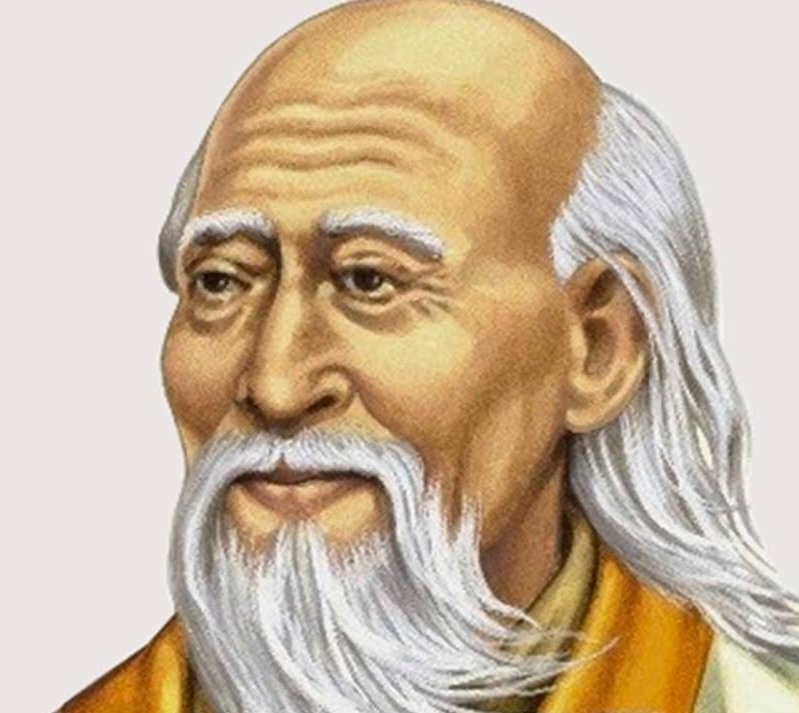
In the words of Lao Tzu, "He who excels at fighting does not let himself be roused." This profound statement invites us to explore the nature of strength and resilience, suggesting that true mastery lies not in the act of fighting itself, but in the ability to remain undisturbed amidst chaos. The stakes of this teaching are high; in a world often characterized by conflict and agitation, the cultivation of equanimity becomes essential for personal peace and effective action.
As we delve deeper into this quote, we uncover layers of meaning that resonate with the core principles of Taoism. Lao Tzu's wisdom encourages us to recognize that the most formidable warriors are those who maintain their composure, who do not allow external circumstances to dictate their internal state. This notion challenges our conventional understanding of strength, urging us to reconsider how we respond to life's challenges and conflicts.
The image / the metaphor
The imagery in Lao Tzu's quote evokes a sense of calm amidst turmoil. The verb "excels" implies a level of mastery that transcends mere physical prowess; it suggests a deep understanding of oneself and the surrounding environment. The phrase "does not let himself be roused" paints a picture of an individual who remains unshaken, embodying a stillness that is both powerful and serene. This stillness is not passive; rather, it is an active choice to remain centered, regardless of the external noise.
Diving deeper into the metaphor, we can see that fighting here symbolizes not only physical confrontations but also the myriad struggles we face in life—emotional, psychological, and spiritual. To "excel at fighting" is to engage with these struggles wisely, recognizing that the true battle lies within. The ability to remain undisturbed is akin to the Taoist concept of "wu wei," or effortless action, where one acts in harmony with the flow of life rather than against it. This metaphor invites us to consider how we can cultivate a similar strength in our own lives.
In the speaker's tradition
Within the rich tapestry of Taoist philosophy, Lao Tzu's teaching resonates with the concept of "wu wei," which emphasizes the importance of non-action or action without force. This principle encourages individuals to align themselves with the natural rhythms of the universe, fostering a sense of peace and balance. In this context, equanimity becomes a vital aspect of one's dharma, or life path, allowing us to navigate challenges with grace and wisdom.
Moreover, this teaching can be compared to the Buddhist concept of "sunyata," or emptiness, which suggests that our attachments and reactions often cloud our perception. By cultivating a state of equanimity, we can experience the world more clearly, free from the distortions of fear and desire. In the Tao Te Ching, Lao Tzu frequently emphasizes the importance of humility and softness, reinforcing the idea that true strength is found in gentleness and composure rather than aggression.
Living the teaching
Consider a modern scenario where this teaching can be applied: a heated discussion in a workplace setting. When tensions rise and emotions flare, the ability to remain calm and composed can transform the dynamics of the conversation. Instead of reacting impulsively or defensively, one who embodies Lao Tzu's wisdom can listen deeply, respond thoughtfully, and ultimately guide the discussion toward a more constructive outcome. This practice of equanimity not only benefits the individual but also fosters a healthier environment for collaboration.
Another application of this teaching can be found in personal relationships, particularly during conflicts with loved ones. When disagreements arise, it is easy to become roused, allowing emotions to dictate our responses. However, by embracing the principle of remaining undisturbed, we can approach these moments with compassion and understanding. This does not mean suppressing our feelings but rather acknowledging them without letting them control our actions. In doing so, we create space for healing and connection, embodying the strength that Lao Tzu advocates.
A reflection
As we contemplate the wisdom of Lao Tzu, we are invited to reflect on our own lives: In what situations do I find myself easily roused or agitated? How might cultivating a sense of equanimity transform my responses and interactions? By engaging with these questions, we can begin to embody the quiet strength that lies at the heart of this teaching, allowing us to navigate life's challenges with grace and resilience.


Join the BrightStar Community
Stay connected with daily inspiration, event announcements, and community wisdom