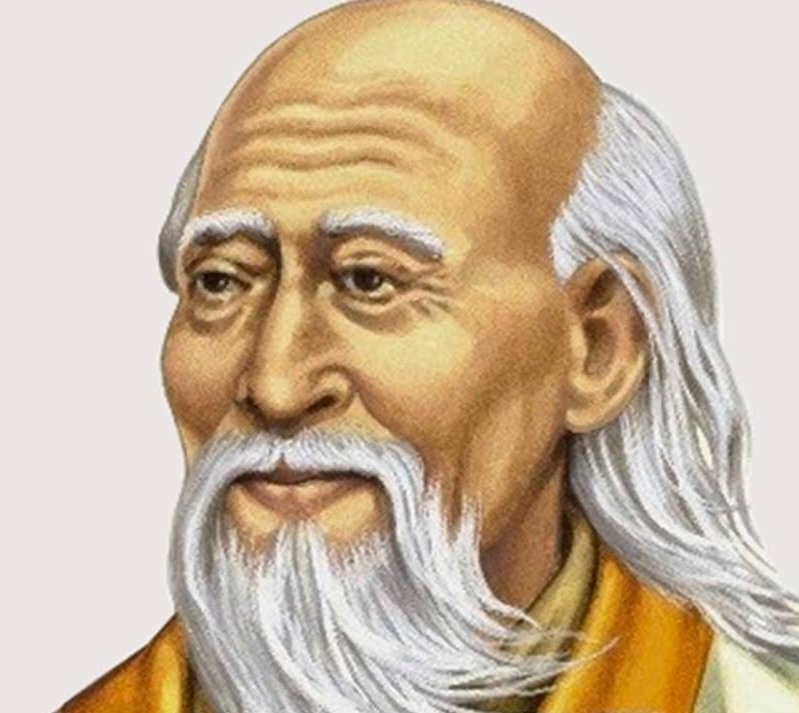
The Abundance of Enough: A Journey into Contentment
Lao Tzu's assertion, "He who knows enough is enough will always have enough," invites us to explore the profound relationship between knowledge, contentment, and abundance. In a world that often equates worth with accumulation, this wisdom challenges us to reconsider what it means to truly possess enough. It speaks to the heart of our desires and the often insatiable nature of human longing, urging us to find fulfillment not in external acquisitions but in an inner understanding of sufficiency.
This quote resonates deeply in our contemporary lives, where the relentless pursuit of more—more wealth, more success, more validation—can lead to a cycle of dissatisfaction. Lao Tzu's wisdom offers a counter-narrative, suggesting that true abundance arises from recognizing and appreciating what we already have. This perspective not only fosters a sense of peace but also cultivates gratitude, allowing us to live more fully in the present moment, free from the burdens of unending desire.
The image / the metaphor
The imagery in Lao Tzu's quote evokes a sense of clarity and simplicity. The phrase "knows enough" suggests a deep awareness, an understanding that transcends mere intellectual knowledge. It implies a wisdom that comes from within, a recognition of the limits of desire and the beauty of sufficiency. The verbs "knows" and "will have" create a sense of agency, indicating that our relationship with abundance is not dictated by external circumstances but rather by our internal state of being.
In the speaker's tradition
Within the tradition of Taoism, Lao Tzu's teachings resonate with the concept of wu wei, or effortless action. This principle emphasizes the importance of aligning with the natural flow of life rather than forcing one's will upon it. The understanding that "enough is enough" aligns with the Taoist belief in harmony and balance, suggesting that true abundance arises when we cease to resist the present moment and instead embrace it fully. This perspective is akin to the Buddhist notion of sunyata, or emptiness, which teaches that our attachments and desires often cloud our perception of reality.
In the Tao Te Ching, Lao Tzu frequently emphasizes the value of simplicity and humility, urging us to let go of excessive desires and to find joy in the ordinary. For instance, in Chapter 9, he states, "Better to stop short than to fill to the brim," highlighting the wisdom of moderation. This echoes the sentiment of knowing when we have enough, reinforcing the idea that true fulfillment lies not in excess but in a mindful appreciation of what we already possess.
Living the teaching
Consider a modern scenario where this teaching might apply: a person striving for career advancement, constantly chasing promotions and accolades. In their pursuit, they may overlook the joy found in their current role, the relationships they have built, and the skills they have developed. By embracing the wisdom of Lao Tzu, they might pause to reflect on their achievements and recognize that their current position is, in fact, "enough." This shift in perspective can lead to greater satisfaction and a more profound sense of purpose in their work.
Another application of this teaching can be found in personal relationships. Imagine a couple who, amidst the pressures of daily life, begins to take each other for granted, focusing instead on what they lack in their partnership. By cultivating an awareness of "enough," they can shift their focus to the love and support they already share, fostering gratitude and deepening their connection. This practice of recognizing sufficiency can transform their relationship, allowing them to appreciate the richness of their bond rather than fixating on unmet expectations.
A reflection
As we contemplate Lao Tzu's profound insight, we are invited to ask ourselves: What does it mean for me to know that I have enough? This question encourages a deep exploration of our values and desires, prompting us to reflect on the sources of our contentment. In a world that often pushes us toward endless striving, this inquiry can serve as a grounding practice, guiding us back to the present moment and the abundance that already exists within our lives.




Join the BrightStar Community
Stay connected with daily inspiration, event announcements, and community wisdom