The Unsentimental Wisdom of Nature
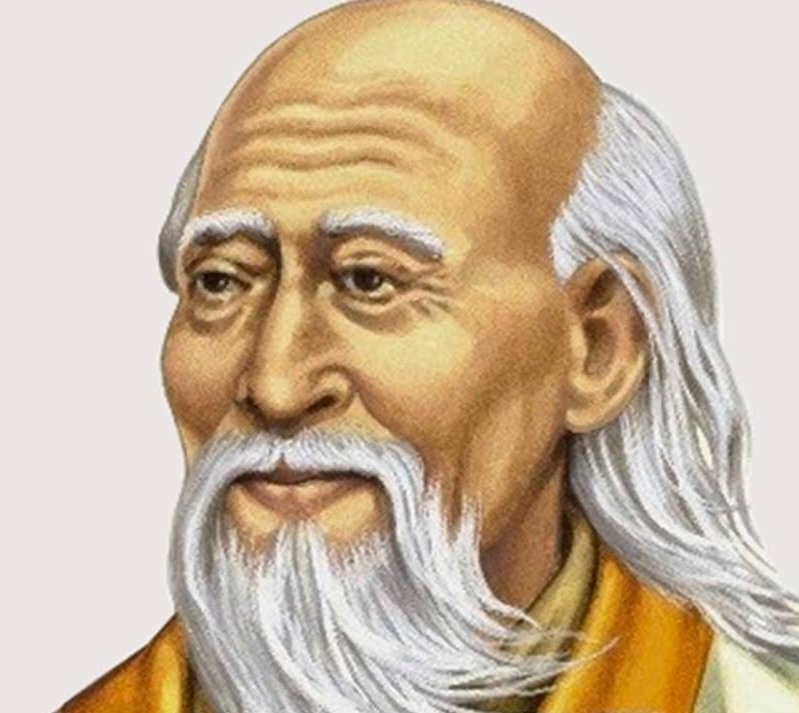
In the profound words of Lao Tzu, "Heaven and earth are not sentimental. They regard all things as ten thousand straw dogs." This statement invites us to contemplate the nature of existence and the often harsh realities of life. It suggests that the universe operates beyond human emotions and attachments, viewing all phenomena with a detached equanimity. Understanding this perspective can be transformative, as it encourages us to embrace the impermanence of life and to cultivate a sense of peace amidst the chaos.
As we delve deeper into this quote, we recognize that Lao Tzu is not merely presenting a bleak view of existence but rather a liberating one. By likening all things to "ten thousand straw dogs," he emphasizes the transient nature of our attachments and the futility of clinging to them. This teaching invites us to release our sentimental attachments and to see the world as it is—fluid, ever-changing, and ultimately indifferent to our personal struggles. In doing so, we can cultivate a more profound sense of equanimity and acceptance in our lives.
The image / the metaphor
The imagery of "ten thousand straw dogs" evokes a striking visual of something that is both numerous and disposable. In ancient China, straw dogs were used in rituals and then discarded, symbolizing the impermanence of life and the futility of attachment. The choice of the word "regard" implies a sense of observation without judgment, suggesting that the natural world operates on principles that transcend human emotions. This perspective invites us to reflect on our own lives and the attachments we hold dear, urging us to recognize their transient nature.
Diving deeper into the metaphor, we see that Lao Tzu is encouraging us to adopt a broader perspective on existence. By understanding that heaven and earth do not cling to sentimentality, we are invited to release our own emotional burdens. This detachment does not imply a lack of care or compassion; rather, it encourages us to engage with the world from a place of wisdom and clarity. In this way, we can navigate life's challenges with grace, recognizing that all things are temporary and that our true essence lies beyond these fleeting attachments.
In the speaker's tradition
Lao Tzu's teachings are rooted in the rich tradition of Taoism, which emphasizes harmony with the natural world and the importance of living in accordance with the Tao, or the Way. Central to this philosophy is the concept of wu wei, or non-action, which encourages us to align ourselves with the flow of life rather than resist it. This aligns closely with the idea of equanimity, as both concepts advocate for a state of inner peace that arises from acceptance of the impermanence of all things. In this light, Lao Tzu's quote serves as a reminder to cultivate a sense of detachment that allows us to engage with life more fully.
In the Tao Te Ching, Lao Tzu often contrasts the ephemeral nature of human concerns with the eternal principles of the universe. For instance, he writes about the importance of simplicity and humility, suggesting that true wisdom lies in recognizing our place within the vast tapestry of existence. This perspective resonates with other spiritual traditions, such as Buddhism's concept of sunyata, or emptiness, which teaches that clinging to the self and material possessions leads to suffering. Both traditions invite us to embrace the transient nature of life and to find peace in letting go.
Living the teaching
Consider a modern scenario where this teaching might resonate: a person grappling with the loss of a job. In such a situation, the emotional turmoil can feel overwhelming, and the instinct to cling to the past may be strong. However, by reflecting on Lao Tzu's wisdom, one might begin to see this loss as a temporary state rather than a definitive end. This perspective can foster resilience, allowing the individual to embrace new opportunities and experiences that arise from this change, ultimately leading to personal growth.
Another application of this teaching can be found in interpersonal relationships. Imagine a friendship that has grown distant over time. The pain of separation can evoke feelings of sadness and regret, prompting one to cling to the memories of what once was. Yet, by embodying the equanimity that Lao Tzu advocates, one can approach the situation with acceptance, recognizing that relationships, like all things, are subject to change. This acceptance can lead to a more profound understanding of love—one that appreciates the beauty of shared moments while also honoring the natural ebb and flow of human connections.
A reflection
As we contemplate Lao Tzu's assertion that "Heaven and earth are not sentimental," we are invited to reflect on our own attachments and the ways in which they shape our experiences. What would it mean for you to view your challenges and losses as temporary, like "ten thousand straw dogs"? In embracing this perspective, how might you cultivate a deeper sense of peace and equanimity in your life? Allow this question to guide your contemplation, inviting you to explore the transformative power of detachment and acceptance.




Join the BrightStar Community
Stay connected with daily inspiration, event announcements, and community wisdom