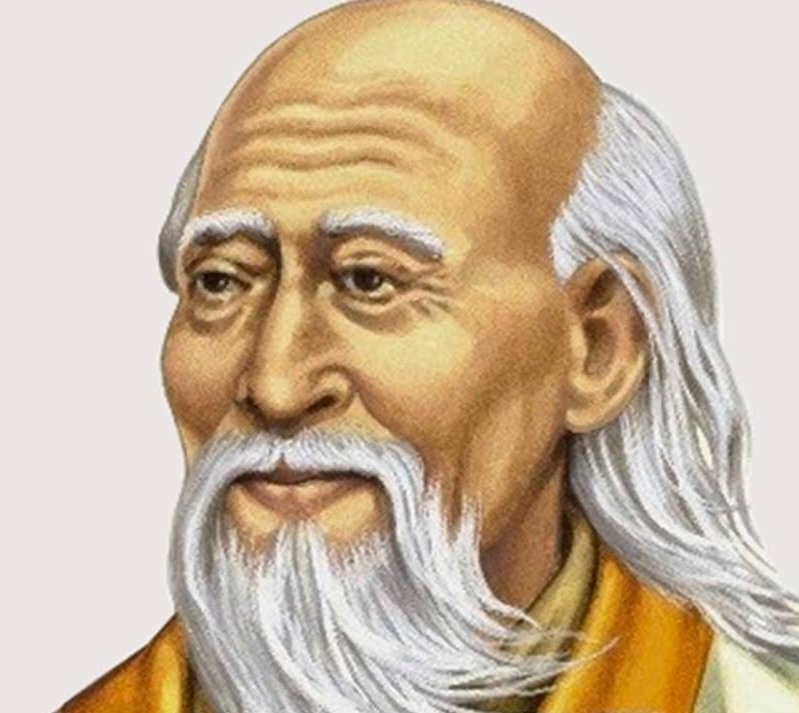
The Wisdom of Direction: Navigating Change with Lao Tzu
Lao Tzu's poignant observation, "If you do not change direction, you may end up where you are heading," serves as a profound reminder of the necessity of intentionality in our lives. This quote encapsulates the essence of self-awareness and the importance of recognizing when our current path may lead us astray. In a world that often encourages relentless forward momentum, Lao Tzu invites us to pause and reflect on our trajectory, urging us to consider the implications of our choices and the potential consequences of inertia.
At its core, this quote speaks to the universal human experience of change and the often daunting prospect of transformation. It challenges us to confront the uncomfortable truth that without conscious effort to alter our course, we may find ourselves trapped in patterns that no longer serve us. In a society that values certainty and predictability, Lao Tzu's wisdom encourages us to embrace the fluidity of existence and to recognize that change is not merely an option but a necessity for growth and fulfillment.
The image / the metaphor
The imagery within Lao Tzu's quote evokes a sense of movement and directionality, suggesting that life is akin to a journey along a winding path. The verbs "change" and "end up" imply a dynamic interplay between choice and consequence, highlighting the active role we play in shaping our destinies. The metaphor of direction serves as a powerful reminder that our lives are not static; they are in constant flux, influenced by our decisions and the environments we inhabit.
Diving deeper into the metaphor, we can envision life as a river, flowing steadily toward an unknown destination. If we remain passive, allowing the current to dictate our course, we may find ourselves swept away by forces beyond our control. However, by consciously choosing to alter our direction—whether through introspection, dialogue, or action—we can navigate the waters of existence with greater clarity and purpose. This metaphor invites us to consider not only where we are heading but also the values and intentions that guide our journey.
In the speaker's tradition
Within the rich tapestry of Taoism, Lao Tzu's insights resonate deeply with concepts such as wu wei, or effortless action, and the idea of aligning oneself with the natural flow of the universe. The notion of changing direction reflects the Taoist understanding of the interconnectedness of all things and the importance of harmonizing with the rhythms of life. Just as a skilled sailor adjusts their sails to navigate shifting winds, we too must cultivate the wisdom to adapt our paths in response to the ever-changing landscape of our experiences.
In the Tao Te Ching, Lao Tzu emphasizes the significance of simplicity and humility, urging us to let go of rigid attachments to outcomes. This aligns with the concept of sunyata, or emptiness, found in other Eastern philosophies, which teaches that clinging to fixed ideas can lead to suffering. By embracing the fluidity of existence and recognizing the impermanence of our circumstances, we can cultivate a deeper sense of peace and clarity, allowing us to change direction with grace and ease.
Living the teaching
Consider a modern scenario where this teaching might resonate: an individual finds themselves in a career that once brought them joy but has now become a source of stress and dissatisfaction. Despite the discomfort, they may hesitate to change direction, fearing the unknown or clinging to the security of familiarity. Lao Tzu's wisdom encourages this person to reflect on their current path and to recognize that remaining stagnant may lead to a future filled with regret. By embracing the courage to explore new opportunities, they can reclaim their sense of purpose and fulfillment.
In the realm of relationships, this teaching can manifest in moments of conflict or disconnection. When faced with misunderstandings or emotional distance, individuals may find themselves repeating patterns that perpetuate discord. Lao Tzu's insight invites them to consider whether their current approach is serving the relationship's growth. By choosing to communicate openly, to listen deeply, and to shift their perspective, they can foster a more harmonious connection, illustrating the transformative power of intentional change.
A reflection
As we contemplate Lao Tzu's profound words, we are invited to engage in a moment of introspection. What direction are you currently heading in your life, and are you truly content with that path? Consider the areas where you may feel stagnant or unfulfilled, and reflect on the changes you might need to embrace in order to align more closely with your authentic self. In this space of contemplation, ask yourself: What small shift can I make today to alter my course toward a more meaningful existence?


Join the BrightStar Community
Stay connected with daily inspiration, event announcements, and community wisdom