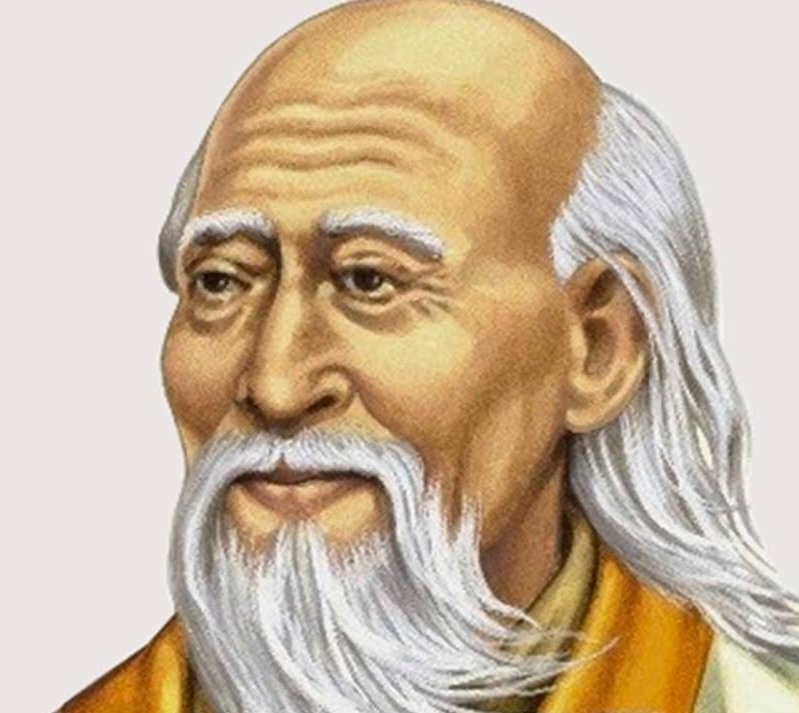
The Clarity of Stillness: Embracing Patience in Action
In the words of Lao Tzu, we are invited to consider whether we possess the patience to allow the chaos of our minds and lives to settle, revealing the clarity that lies beneath. He asks us to remain still until the right course of action emerges organically, rather than forcing our will upon the world. This profound inquiry speaks to the heart of human experience, where the frenetic pace of modern life often obscures our ability to discern wisdom from noise. In a world that prizes immediacy, Lao Tzu's wisdom beckons us to cultivate a deeper understanding of patience and presence.
As we navigate the complexities of our daily lives, the challenge of waiting for clarity becomes increasingly relevant. The metaphor of muddy water serves as a poignant reminder that clarity often arises from stillness, not from frantic activity. In our quest for answers, we may find ourselves overwhelmed by the turbulence of our thoughts and emotions. Lao Tzu's invitation to remain unmoving until the right action arises encourages us to trust in the natural unfolding of life, fostering a sense of peace and wisdom that transcends our immediate desires.
The image / the metaphor
Lao Tzu's imagery of muddy water evokes a visceral sense of confusion and chaos. The mud represents the clutter of our thoughts, emotions, and external circumstances that cloud our judgment. The act of waiting for the water to settle suggests a process of purification, where clarity can only emerge when we allow ourselves to pause and breathe. The verbs chosen—"wait," "remain," and "arise"—imply a deep sense of trust in the unfolding of life, urging us to resist the impulse to act prematurely.
Diving deeper into this metaphor, we can see that the muddy water is not merely a hindrance; it is also a teacher. It reminds us that clarity is not a static state but a dynamic process that requires patience and presence. Just as the sediment eventually settles, so too can our minds find stillness amidst the chaos. This metaphor invites us to embrace the uncertainty of life, recognizing that the most profound insights often emerge from moments of quiet reflection and surrender.
In the speaker's tradition
Within the rich tapestry of Taoism, Lao Tzu's teaching resonates with the concept of wu wei, or "effortless action." This principle emphasizes the importance of aligning ourselves with the natural flow of the universe, allowing actions to arise spontaneously rather than through forceful striving. In this context, patience becomes a form of wisdom, a recognition that the right path often reveals itself when we cease to impose our will upon it. This aligns with the notion of sunyata, or emptiness, which teaches that true understanding arises when we let go of preconceived notions and allow space for clarity to emerge.
Moreover, Lao Tzu's insights can be seen in the broader context of the Tao Te Ching, where the themes of simplicity and humility are woven throughout. In Chapter 15, he speaks of the "wise" who are "unmoved," suggesting that true wisdom lies in the ability to remain grounded amidst the turbulence of life. This echoes the teachings of other spiritual traditions, such as the Buddhist concept of prajna, or wisdom, which emphasizes the importance of seeing things as they truly are, free from the distortions of our desires and fears.
Living the teaching
Consider a modern scenario where this teaching finds resonance: the workplace. In a fast-paced environment, the pressure to make quick decisions can lead to hasty actions that may not serve our best interests. Imagine a project manager facing a critical decision about a team’s direction. Instead of rushing to a conclusion, they choose to step back, allowing the initial chaos of opinions and emotions to settle. By fostering an atmosphere of patience, they create space for the team to reflect and ultimately arrive at a more thoughtful, collective decision that aligns with their shared goals.
This teaching also applies to our personal relationships, particularly during moments of conflict. When tensions rise, the instinct may be to react defensively or to seek immediate resolution. However, by embodying the essence of Lao Tzu's wisdom, we can choose to pause, allowing our emotions to settle before responding. This practice of patience not only fosters deeper understanding but also cultivates a sense of presence that can transform the dynamics of our interactions, leading to more meaningful connections.
A reflection
As we contemplate Lao Tzu's profound question, we are invited to reflect on our own lives: Are we willing to embrace the stillness necessary for clarity to emerge? In what areas do we find ourselves rushing to action, perhaps missing the wisdom that lies in patience? This inquiry encourages us to cultivate a deeper awareness of our thoughts and emotions, inviting us to trust in the natural unfolding of life. As we navigate the complexities of our existence, may we find the courage to remain still, allowing the muddy waters of our lives to settle, revealing the clarity that awaits us beneath.


Join the BrightStar Community
Stay connected with daily inspiration, event announcements, and community wisdom