The Art of Embracing Change
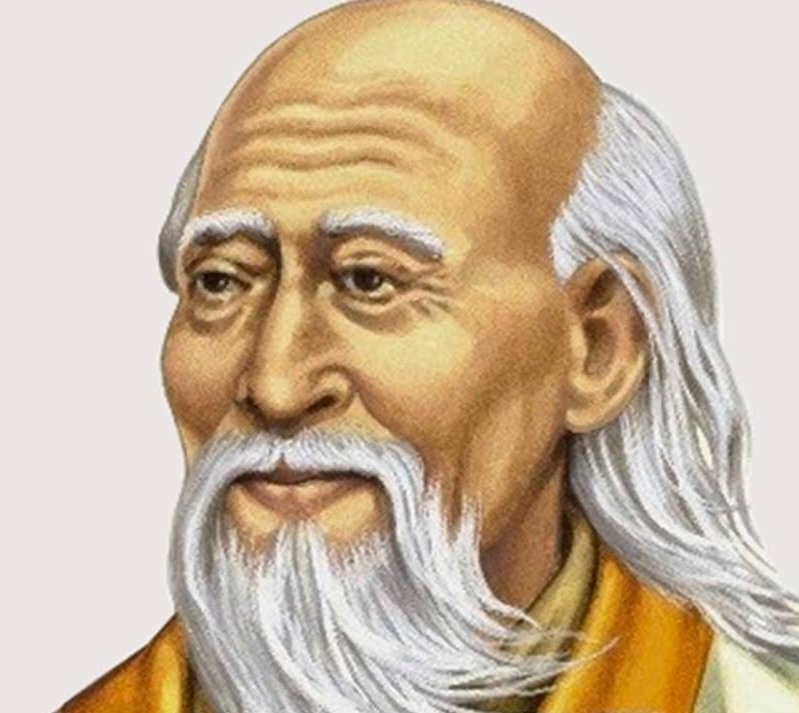
Lao Tzu's assertion that "Life is a series of natural and spontaneous changes. Don't resist them; that only creates sorrow. Let reality be reality" invites us into a profound understanding of existence. In a world that often feels chaotic and unpredictable, this wisdom serves as a gentle reminder to embrace the flow of life rather than fight against it. The stakes are high; our resistance to change can lead to unnecessary suffering, while acceptance opens the door to peace and harmony.
This teaching resonates deeply in our contemporary lives, where the pace of change can be overwhelming. From personal relationships to global events, we are constantly faced with transitions that challenge our sense of stability. By learning to let go of our need for control and to accept reality as it unfolds, we can cultivate a more serene and fulfilling existence. This is not merely a passive acceptance but an active engagement with the present moment, allowing us to navigate life's currents with grace.
The image / the metaphor
The imagery in Lao Tzu's words evokes a sense of naturalness and spontaneity, suggesting that change is not only inevitable but also a fundamental aspect of life. The verbs "don't resist" and "let" imply a dynamic interplay between our will and the unfolding of reality. This felt sense of surrendering to the flow of life can be likened to a river that carves its path through the landscape, adapting to obstacles rather than fighting against them. In this way, the quote encapsulates the essence of living in harmony with the Tao, the natural order of the universe.
Diving deeper into the metaphor, we can see that resistance to change often stems from fear—fear of the unknown, fear of loss, or fear of failure. When we cling to our expectations and desires, we create a barrier to experiencing life fully. By letting go of this resistance, we open ourselves to the richness of each moment, allowing life to unfold as it is meant to. This act of surrender is not a sign of weakness but rather a courageous acceptance of the impermanence that defines our existence.
In the speaker's tradition
Within the context of Taoism, Lao Tzu's teaching on acceptance and change aligns closely with the concept of wu wei, or "non-action." This principle does not advocate for passivity but rather encourages us to align our actions with the natural flow of life. By practicing wu wei, we learn to respond to situations with a sense of ease and spontaneity, rather than through forceful resistance. This approach echoes the Buddhist notion of sunyata, or emptiness, which teaches that clinging to fixed ideas leads to suffering, while embracing the fluidity of existence fosters liberation.
In the Tao Te Ching, Lao Tzu often emphasizes the importance of humility and simplicity, suggesting that true wisdom lies in understanding our place within the larger tapestry of life. The text reminds us that the universe operates on its own terms, and our role is to harmonize with its rhythms. This perspective invites us to cultivate a sense of trust in the unfolding of our lives, recognizing that each change carries the potential for growth and transformation.
Living the teaching
Consider a modern scenario where this teaching can be applied: the experience of losing a job. In such a moment, the instinctive reaction may be one of panic and resistance, clinging to the security that the job once provided. However, by embracing the change and allowing oneself to feel the emotions that arise—fear, uncertainty, even excitement—one can begin to see new possibilities. This acceptance can lead to a period of reflection and exploration, ultimately opening doors to new opportunities that may not have been visible while clinging to the past.
Another application of this teaching can be found in relationships. When faced with conflict or change within a partnership, the tendency may be to resist or control the situation, leading to further discord. By practicing acceptance and open communication, both partners can navigate the changes together, fostering a deeper understanding and connection. This approach not only alleviates the sorrow that comes from resistance but also strengthens the bond between individuals, allowing love to flourish in the face of life's inevitable transformations.
A reflection
As we contemplate Lao Tzu's wisdom, we are invited to reflect on our own relationship with change. What areas of your life are you resisting? How might embracing the natural flow of reality lead to greater peace and fulfillment? By engaging with these questions, we can begin to cultivate a deeper acceptance of life as it is, rather than how we wish it to be, allowing us to live more fully in the present moment.


Join the BrightStar Community
Stay connected with daily inspiration, event announcements, and community wisdom