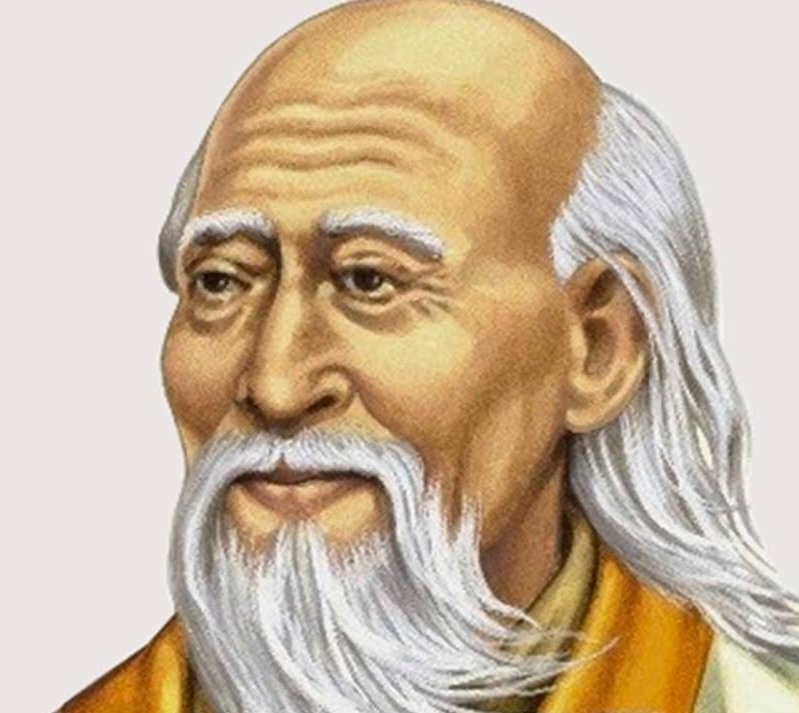
The Flow of Existence: Embracing Change with Lao Tzu
Lao Tzu's profound assertion that "Life is a series of natural and spontaneous changes. Don't resist them; that only creates sorrow. Let reality be reality" invites us to reconsider our relationship with the ever-shifting landscape of existence. In a world that often glorifies control and predictability, this wisdom urges us to embrace the fluidity of life. The stakes are high; resisting change can lead to suffering, while acceptance opens the door to peace and harmony.
In a society that frequently equates success with stability, Lao Tzu's words resonate as a gentle reminder of the inherent nature of reality. Change is not merely an external phenomenon but a fundamental aspect of our inner lives as well. By learning to let go of our attachments and expectations, we can cultivate a deeper understanding of ourselves and the world around us. This teaching is not just philosophical; it is a practical guide to navigating the complexities of life with grace and ease.
The image / the metaphor
The imagery in Lao Tzu's quote evokes a sense of flowing water, a central metaphor in Taoist thought. Water is naturally adaptive, effortlessly finding its way around obstacles and reshaping the landscape over time. The verbs "don't resist" and "let" suggest a dynamic interplay between our will and the natural order of things. This imagery invites us to consider how often we struggle against the current of life, creating unnecessary sorrow and tension.
Diving deeper into this metaphor, we can see that resistance is akin to trying to swim upstream against a powerful river. The more we fight against the current, the more exhausted we become. In contrast, when we allow ourselves to be carried by the flow, we discover new paths and possibilities. This metaphor serves as a powerful reminder that acceptance does not mean passivity; rather, it is an active engagement with the present moment, allowing life to unfold as it will.
In the speaker's tradition
Within the context of Taoism, Lao Tzu's teaching aligns closely with the concept of wu wei, or "non-action." This principle does not advocate for inaction but rather encourages us to act in harmony with the natural rhythms of life. By practicing wu wei, we learn to respond to situations with spontaneity and authenticity, rather than through the lens of fear or control. This approach echoes the Buddhist notion of sunyata, or emptiness, which teaches us that clinging to fixed ideas leads to suffering.
Furthermore, the Tao Te Ching itself serves as a rich tapestry of wisdom on the nature of change and acceptance. In Chapter 29, Lao Tzu warns against the desire to impose our will on the world, suggesting that true wisdom lies in understanding the limits of our control. This resonates with the idea of dharma in Hinduism, which emphasizes living in accordance with the natural order rather than striving against it. Both traditions highlight the importance of aligning ourselves with the flow of existence.
Living the teaching
Consider a modern scenario where this teaching can be applied: the experience of losing a job. In the face of such a significant life change, it is natural to feel fear and resistance. However, by embracing the reality of the situation and allowing oneself to grieve the loss, one can begin to see new opportunities emerge. This acceptance can lead to a period of self-discovery, where new passions and paths may unfold, ultimately leading to a more fulfilling career.
In relationships, the teaching of acceptance can also be transformative. Imagine a situation where a partner is undergoing a significant personal change, perhaps pursuing a new career or lifestyle. Instead of resisting this change out of fear of losing the connection, embracing it can foster deeper intimacy and understanding. By allowing the relationship to evolve naturally, both partners can grow individually and together, creating a more resilient bond.
A reflection
As we contemplate Lao Tzu's wisdom, we are invited to reflect on our own lives: What changes are we resisting, and how might acceptance transform our experience? In what ways can we learn to let reality be reality, allowing ourselves to flow with the currents of life rather than against them? This contemplation can serve as a powerful catalyst for personal growth and deeper understanding.




Join the BrightStar Community
Stay connected with daily inspiration, event announcements, and community wisdom