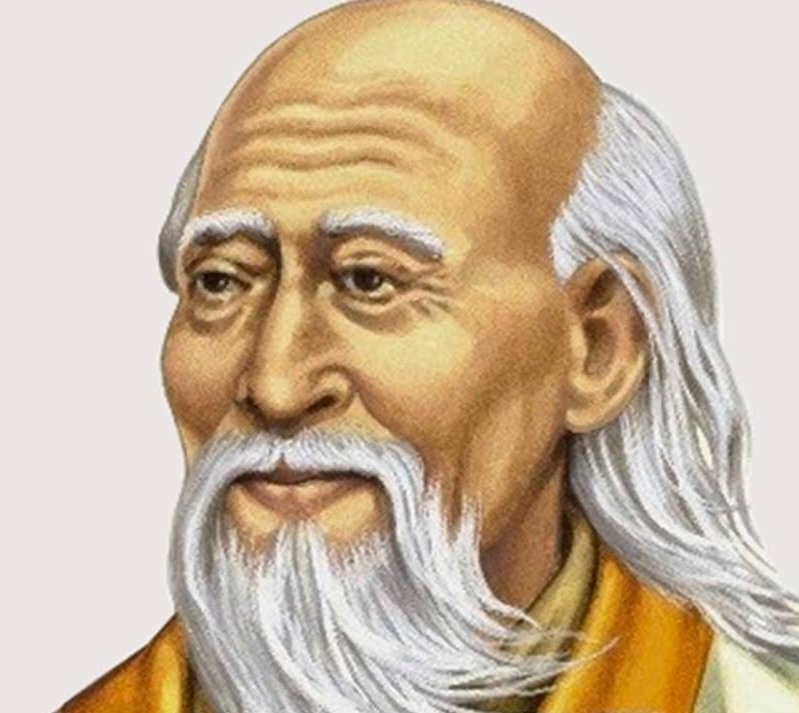
The Power Within: Mastery of Self in the Taoist Tradition
Lao Tzu's profound assertion, "Mastery of others is strength; mastery of yourself is power," invites us to reflect on the nature of true power. In a world often enamored with external dominance and control, this quote challenges us to reconsider our understanding of strength. It suggests that while exerting influence over others may yield temporary victories, the deeper and more enduring form of power lies in the mastery of our own selves. This distinction is not merely philosophical; it holds the potential to transform our lives and relationships.
As we delve into this teaching, we recognize that the journey toward self-mastery is both intricate and deeply personal. It calls for introspection, discipline, and a willingness to confront our inner landscapes. In a society that frequently equates power with authority and control, Lao Tzu's wisdom serves as a gentle reminder that the most significant battles we face are often those waged within. This internal mastery fosters resilience, clarity, and a profound sense of peace, allowing us to navigate the complexities of life with grace and authenticity.
The image / the metaphor
The imagery in Lao Tzu's quote evokes a vivid contrast between two forms of mastery. The term "mastery of others" conjures visions of domination, conquest, and the exertion of force, while "mastery of yourself" suggests a more subtle, yet profound, internal journey. The verbs chosen—"mastery" and "power"—carry weight, indicating that true strength is not about subjugating others but rather about cultivating an inner harmony that radiates outward. This felt sense of power is quiet yet formidable, rooted in self-awareness and emotional intelligence.
Diving deeper into the metaphor, we can see that mastery of oneself encompasses a range of qualities: self-discipline, emotional regulation, and the ability to respond rather than react. It invites us to engage in a continuous process of self-examination and growth, where we learn to navigate our desires, fears, and impulses. This journey is akin to the Taoist concept of "wu wei," or effortless action, where true power emerges not from forceful striving but from aligning with the natural flow of life. In this light, mastery becomes a dance of balance rather than a battle for supremacy.
In the speaker's tradition
Within the rich tapestry of Taoism, Lao Tzu's insights resonate with core concepts such as "wu wei," "prajna," and the notion of "inner stillness." The idea of self-mastery aligns closely with the Taoist understanding of living in harmony with the Tao, or the fundamental nature of the universe. This harmony requires an awareness of one's own nature and the ability to cultivate a sense of inner peace, which is essential for navigating the external world. In this context, mastery of oneself is not merely a personal endeavor; it is a pathway to understanding our interconnectedness with all beings.
Moreover, Lao Tzu's teachings echo the Buddhist concept of "sunyata," or emptiness, which emphasizes the importance of letting go of attachments and ego-driven desires. Just as the Tao Te Ching encourages us to embrace simplicity and humility, so too does the practice of self-mastery invite us to release the need for external validation. In this way, both traditions illuminate the path toward inner power, suggesting that true strength arises from a deep understanding of oneself and the world around us.
Living the teaching
Consider a modern scenario where this teaching finds relevance: a workplace conflict. Imagine a situation where a colleague consistently undermines your contributions. The instinctive response might be to confront them directly, seeking to assert your strength and reclaim your position. However, Lao Tzu's wisdom encourages a different approach—one rooted in self-mastery. Instead of reacting with anger or defensiveness, you might take a step back, reflect on your own feelings and motivations, and choose to respond with clarity and composure. This shift not only transforms the dynamic but also empowers you to navigate the situation with grace.
In the realm of personal relationships, the concept of self-mastery can be equally transformative. Picture a moment of tension with a loved one, where emotions run high and misunderstandings abound. Rather than allowing the situation to escalate, you might draw upon the teachings of Lao Tzu to cultivate patience and empathy. By mastering your own reactions and choosing to listen deeply, you create space for healing and connection. In both scenarios, the mastery of oneself becomes a powerful tool for fostering understanding and harmony, illustrating the profound impact of Lao Tzu's wisdom in our daily lives.
A reflection
As we contemplate the essence of Lao Tzu's quote, we are invited to reflect on our own journeys of self-mastery. What areas of your life call for greater awareness and discipline? In what ways might you be seeking power externally, rather than nurturing the power that resides within? These questions serve as a gentle prompt for introspection, guiding us toward a deeper understanding of ourselves and the transformative potential of mastering our own inner worlds.


Join the BrightStar Community
Stay connected with daily inspiration, event announcements, and community wisdom